From Concepts to Market-Ready Products
.webp)
.webp)
.webp)


.webp)
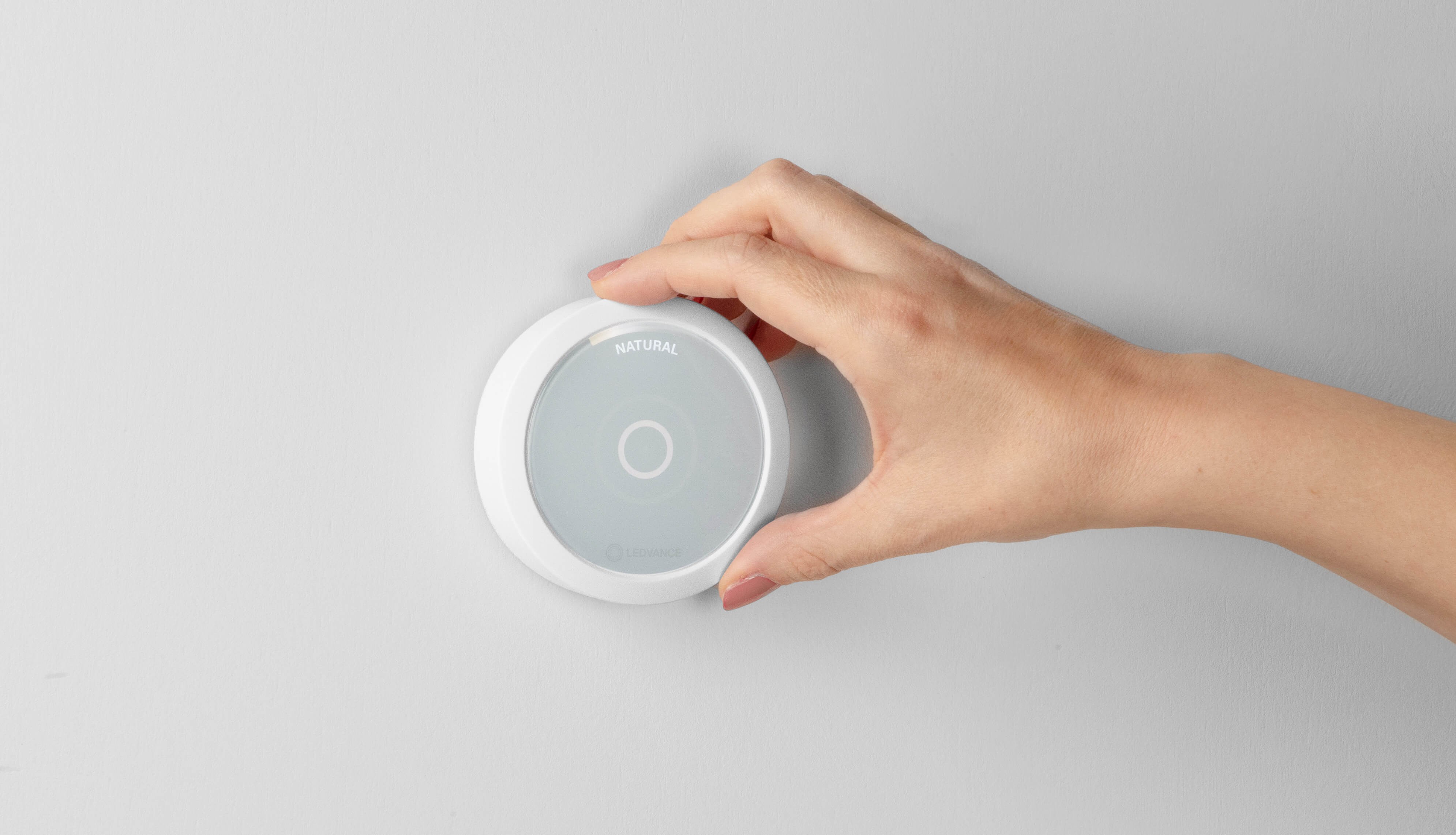


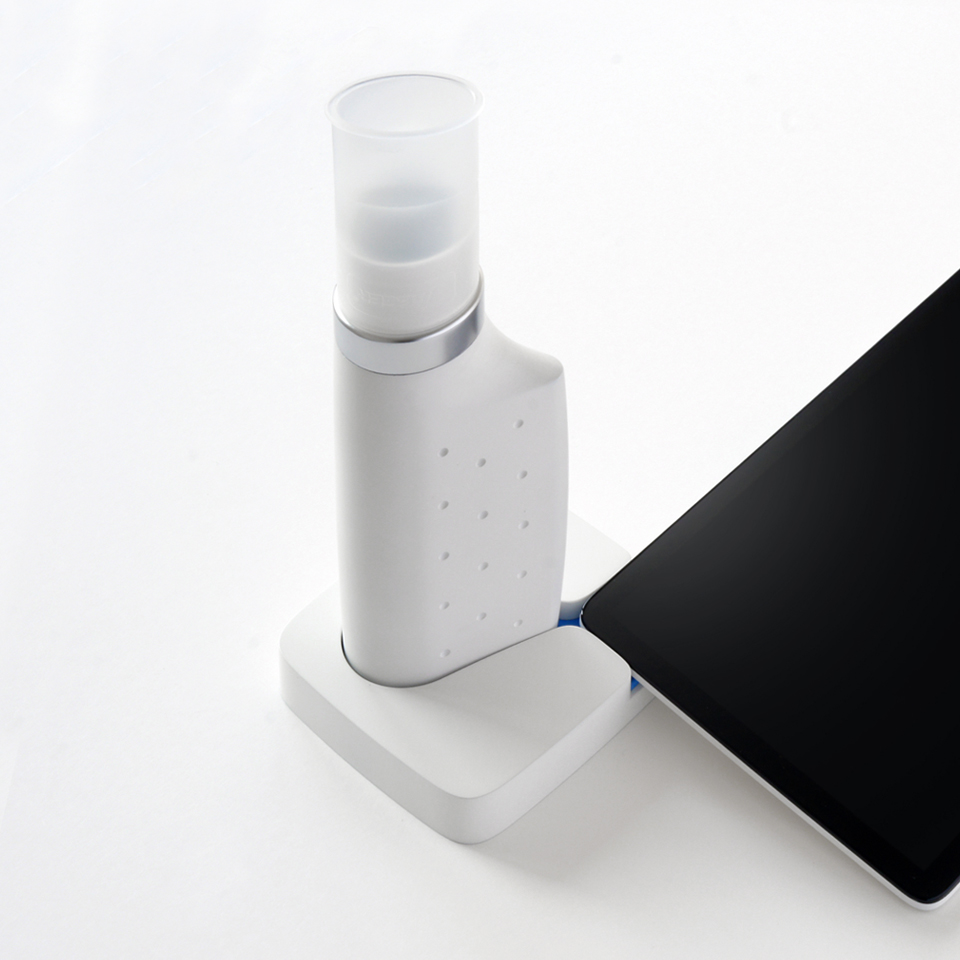
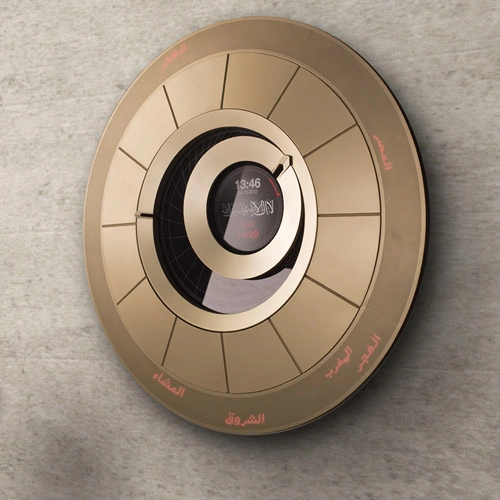
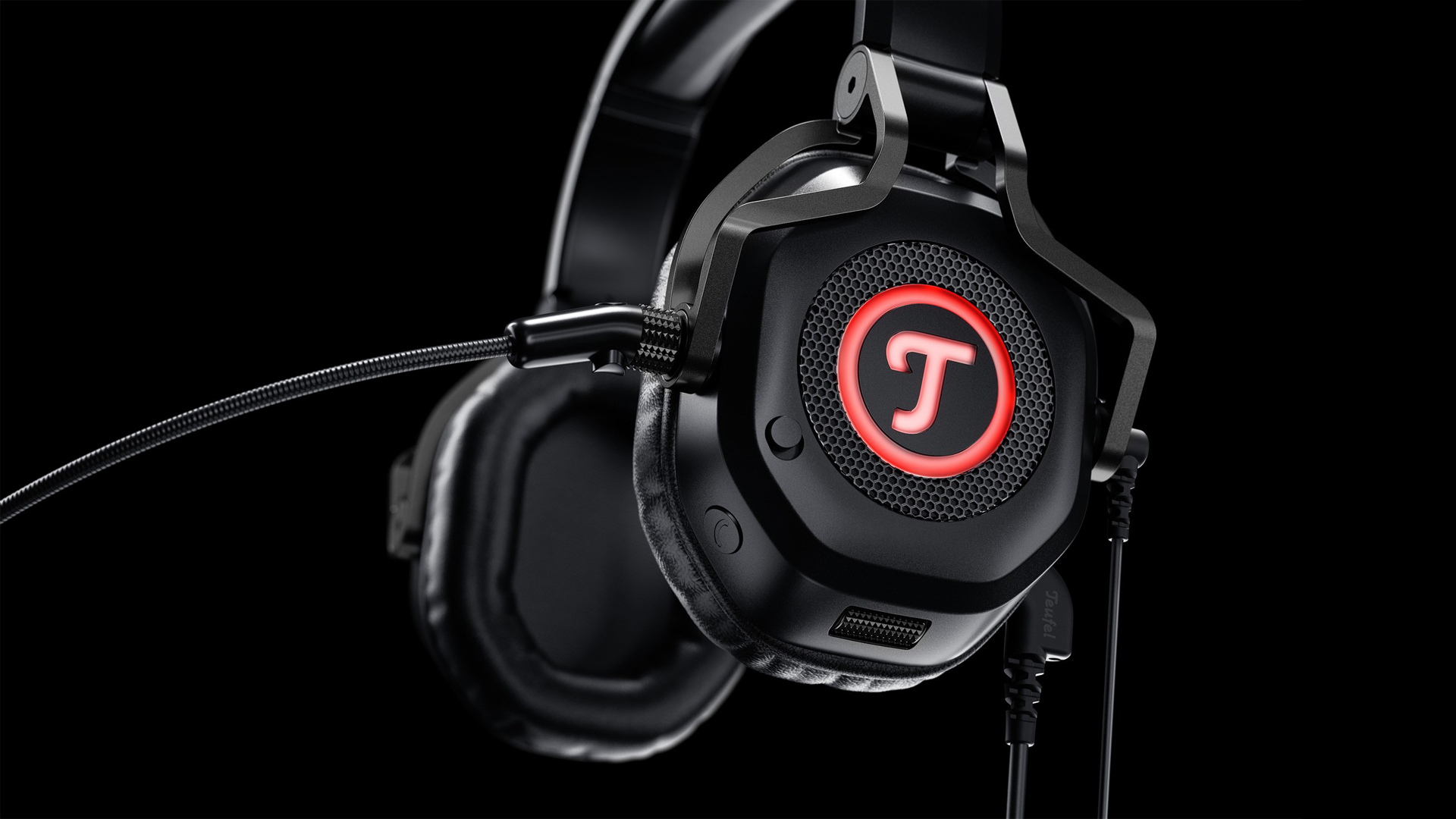

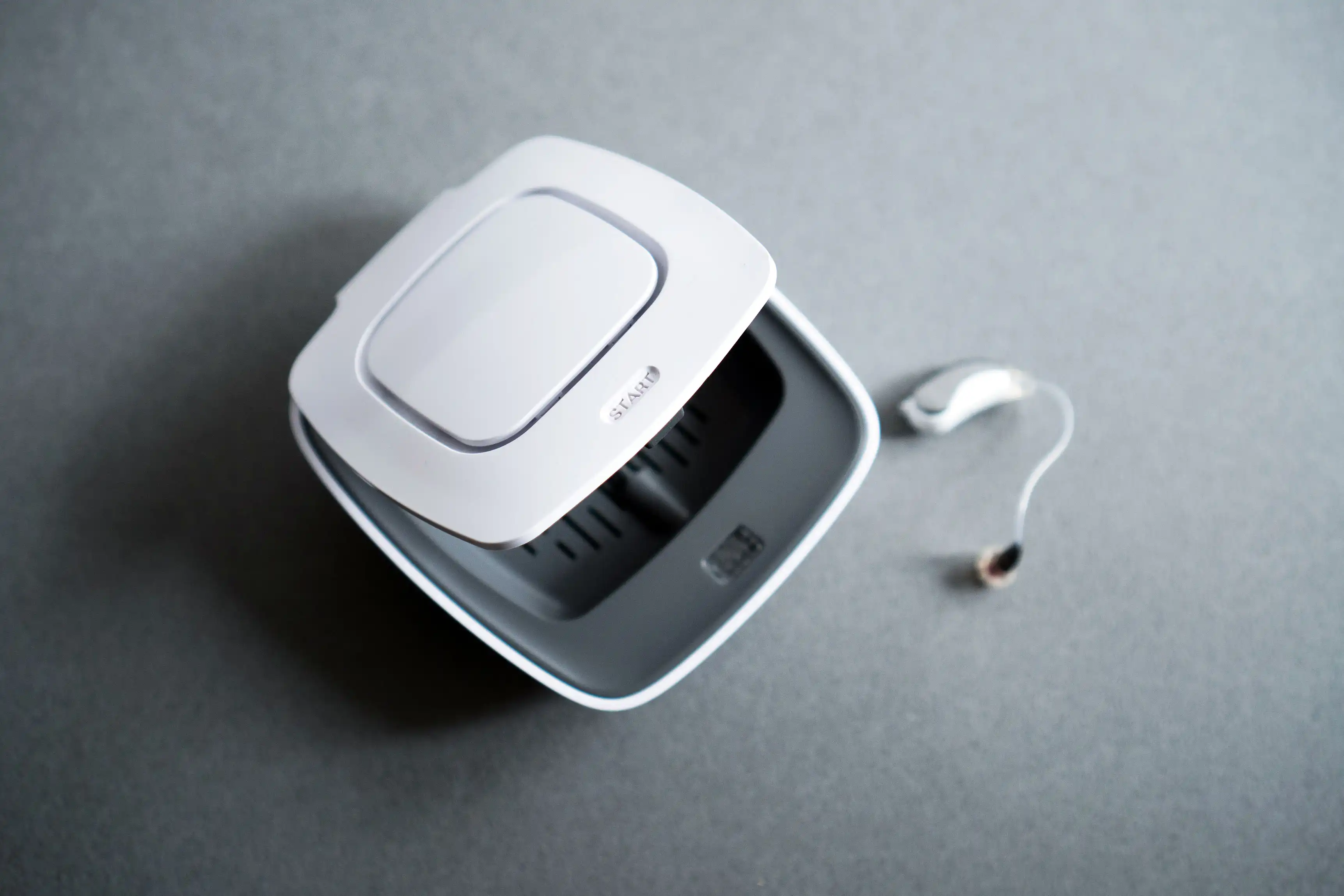
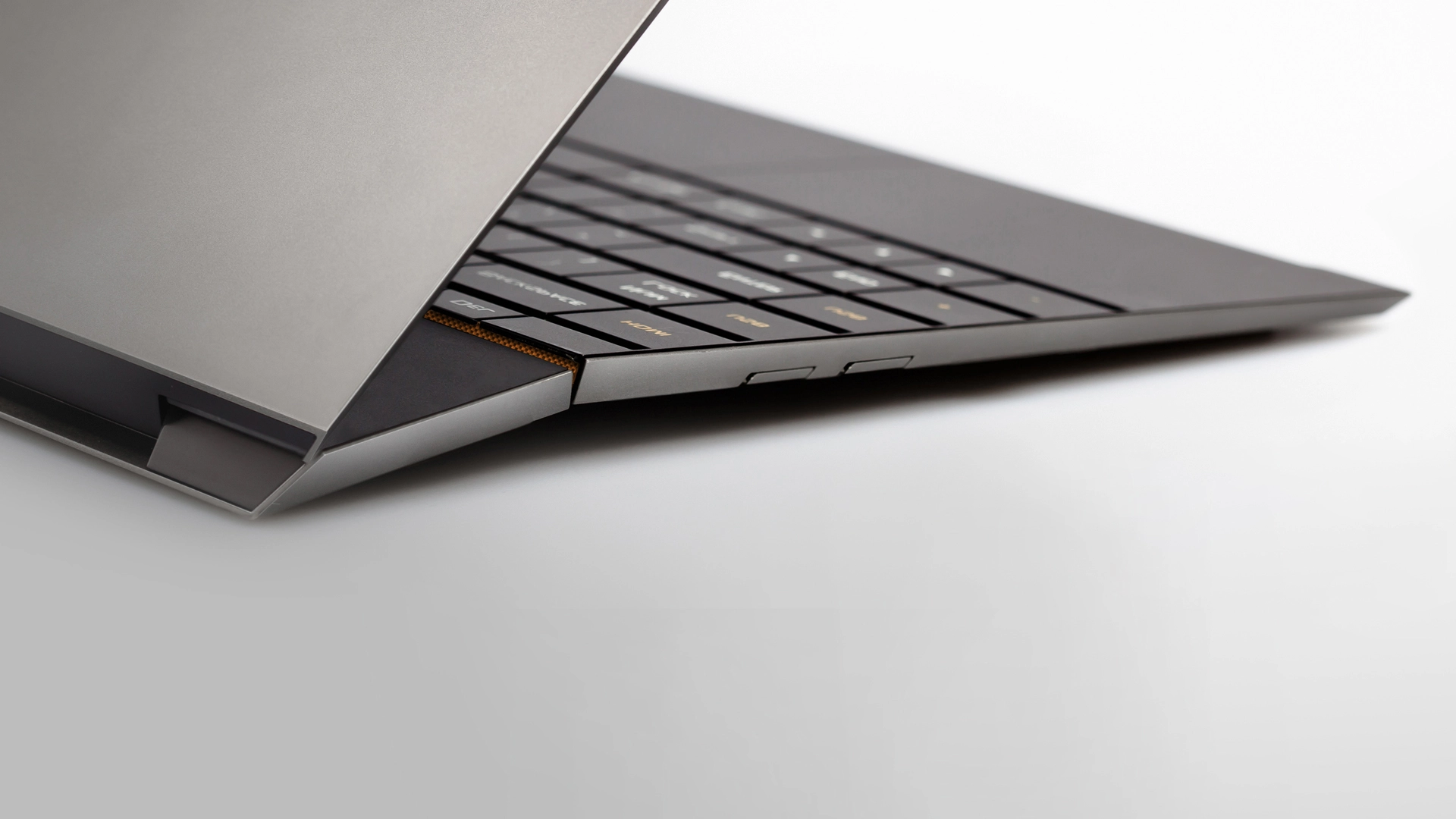
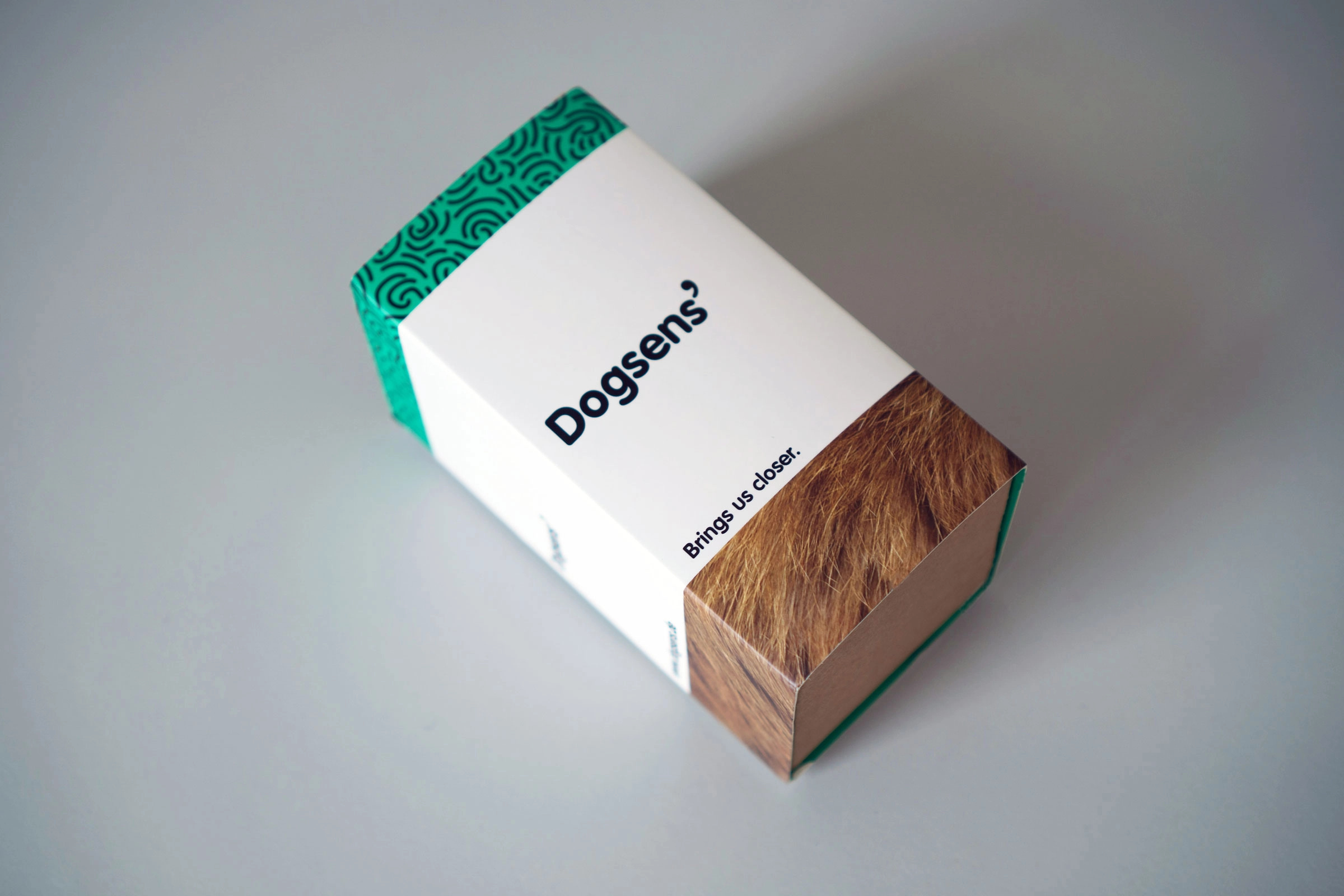
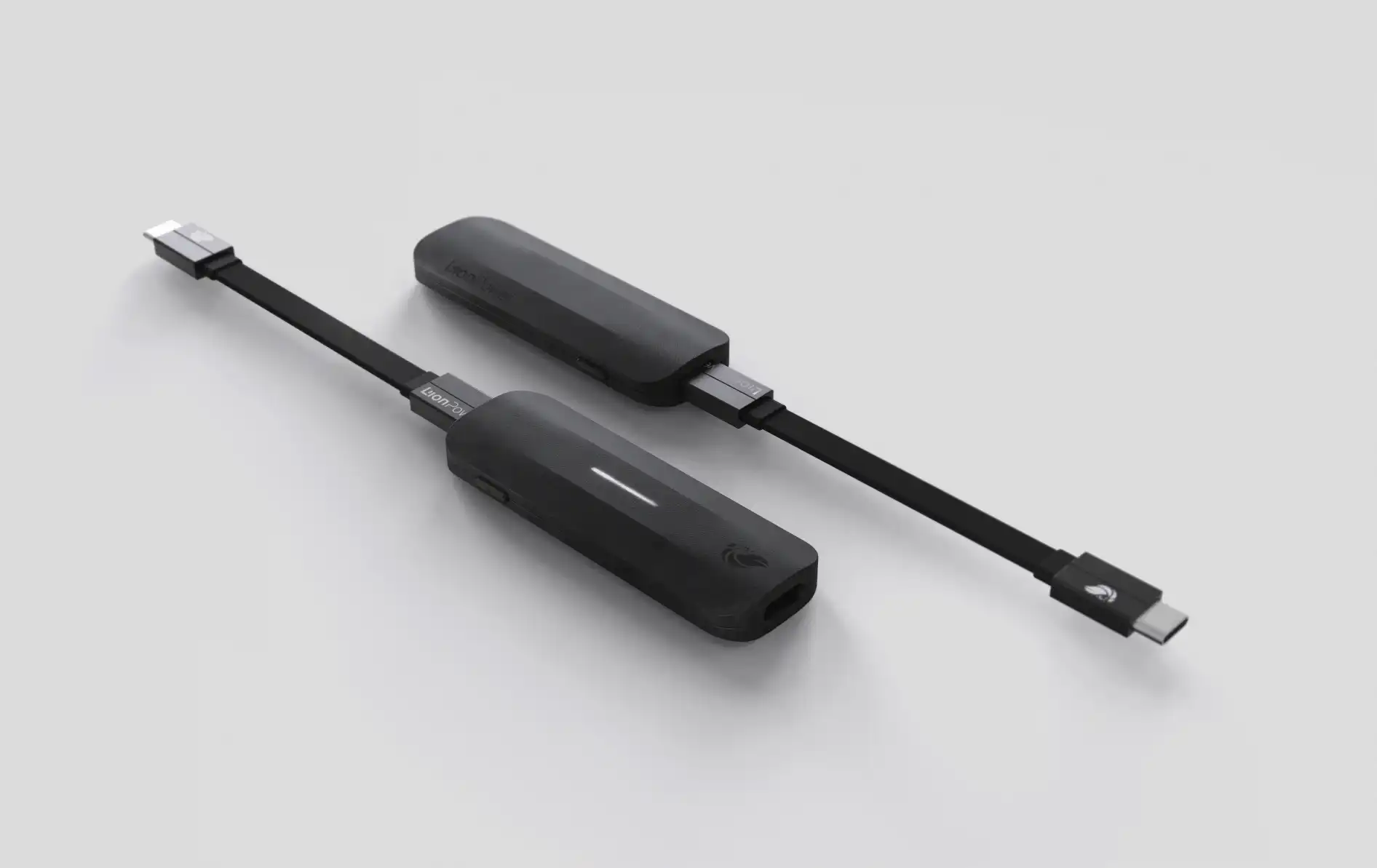
We are working with leading MedTech, IoT, and lifestyle brands worldwide.










Turn your wearable into something people actually use.
We help you turn a prototype into a manufacturable product that users want.
What innovators often ask us about projects?
This is some text inside of a div block.
By designing products that are built to evolve. As a product design and development agency, we help you integrate smart, connected features such as IoT, sensors, and embedded firmware early on, so your product can adapt, scale, and stay relevant throughout its lifecycle.
This is some text inside of a div block.
The right design balances user needs, technology, and manufacturability. As a product design agency and engineering firm, we combine UX, UI, industrial design, and engineering to turn complex requirements into clear, usable, and scalable product solutions.
This is some text inside of a div block.
Industrialisation starts much earlier than tooling. Our product design and development services align mechanical, electronics, and manufacturing constraints from the concept phase onward, ensuring your product is ready for molding, assembly, and scale without painful redesigns.
This is some text inside of a div block.
Our rates depend on scope, complexity, and timeline. As a product design and development company, we offer flexible engagement models across end-to-end hardware development services, from PoC to mass production, with full transparency on cost and deliverables.
This is some text inside of a div block.
We move fast, but with purpose. Thanks to in-house prototyping, electronics, embedded, and firmware teams, we can deliver functional prototypes in weeks, enabling rapid validation of MVPs without compromising quality.
This is some text inside of a div block.
Most projects take 9–18 months, depending on complexity and regulatory needs. Our hardware development services streamline this journey by integrating design, engineering, and production planning into one continuous process.
This is some text inside of a div block.
Yes. As a hardware development company, we support you beyond development with supplier sourcing, manufacturing setup, and production ramp-up, ensuring a smooth transition from prototype to scalable manufacturing.
This is some text inside of a div block.
Absolutely. One dedicated, cross-functional team stays with your product from MVP through industrialisation and production. This continuity across engineering, mechanical design, and electronics reduces risk and preserves product intent.
This is some text inside of a div block.
Experience helps you make better decisions, faster. With 25+ years across consumer, medical, wearable, automotive, and industrial products, our hardware engineering and design services help you avoid costly mistakes and build products that succeed in the real world.