Inside Pilotfish: News, Insights & Innovation Stories
September 16, 2026
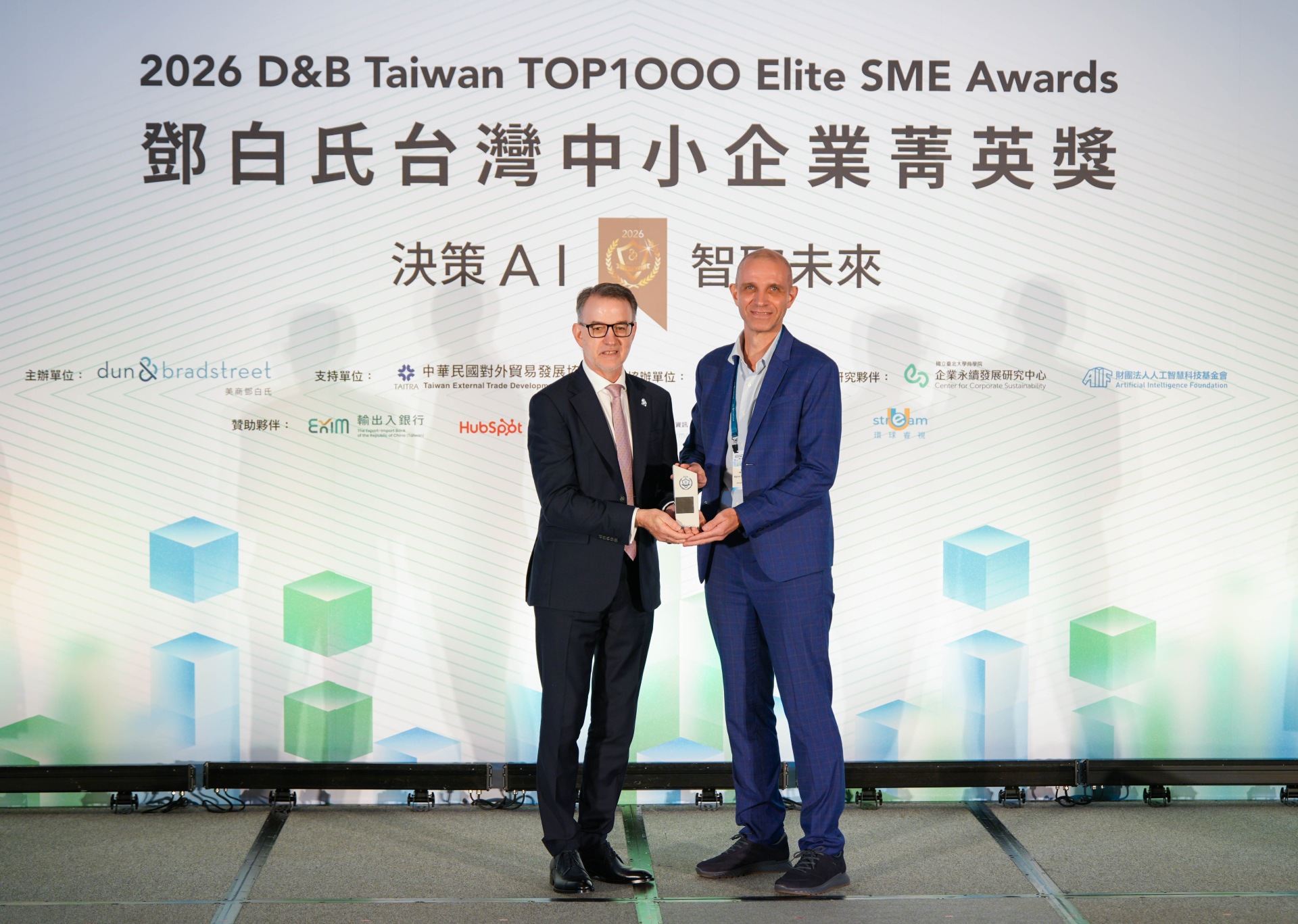
Pilotfish Inc. Earns 2026 D&B SME Elite Award
Pilotfish has been selected as one of Taiwan’s Top 1,000 SMEs in the 2026 Dun & Bradstreet SME Elite Award (鄧白氏中小企業菁英獎), recognising Pilotfish Inc. among a select group of companies demonstrating sustained business performance, international competitiveness, financial soundness and long-term development potential.

You Have an Idea. Now What?
This article gives founders a practical framework for matching development stage, investment level, and the next milestone, including concrete entry points such as the Scoping Workshop, Product DNA Workshop, and staged development.

From Prototype to Production: Why an Integrated Product Development Partner Makes the Difference
Discover why successful hardware products require more than great technology. Learn how an integrated product development approach reduces risk, accelerates time-to-market, and transforms prototypes into scalable, production-ready products.
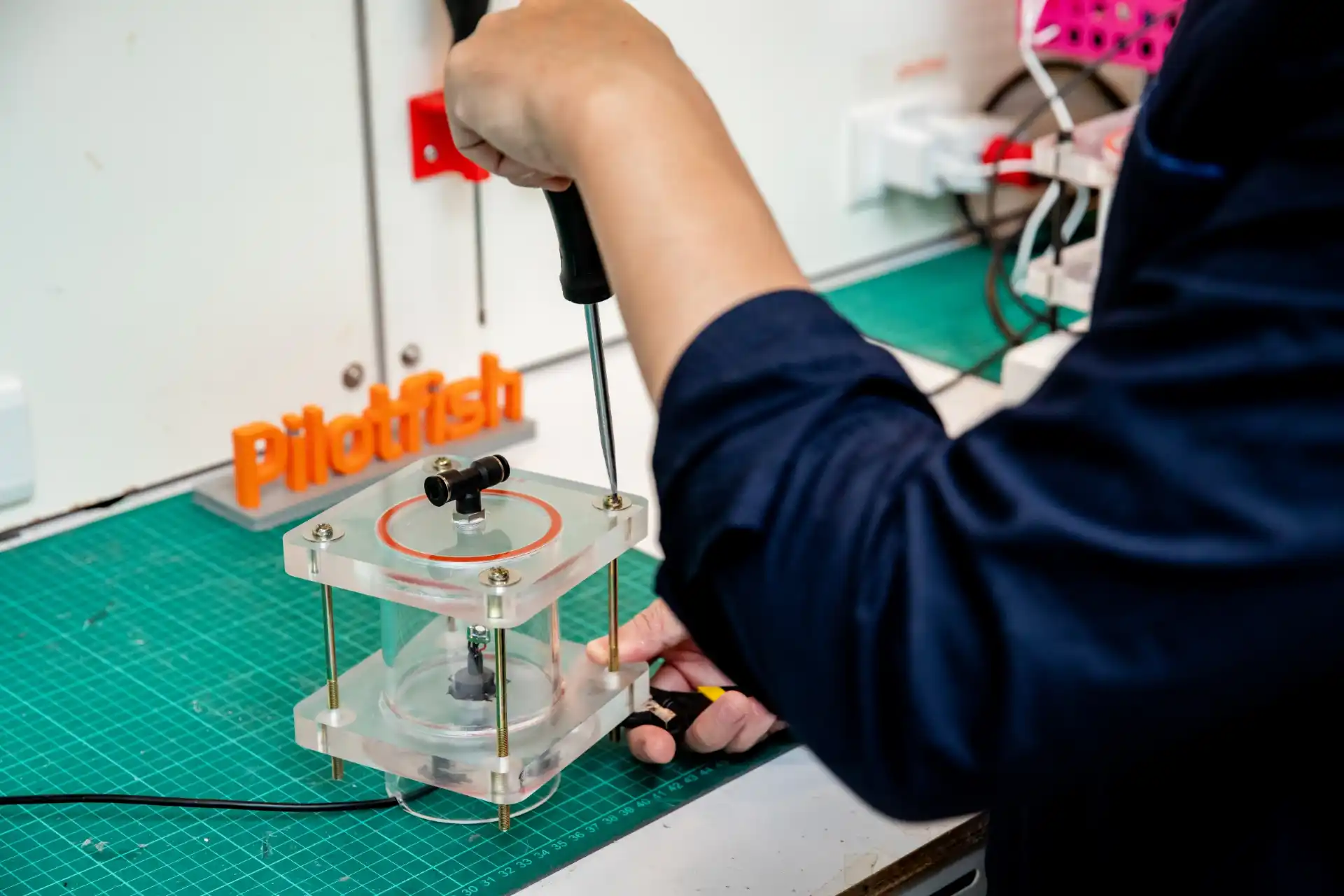
Why Beautiful Prototypes Die in Manufacturing
A beautiful prototype proves that an idea can work. A successful product proves that it can be manufactured, scaled, and sold. This article explores why Design for Manufacturing should be considered from day one, and how engineering, assembly, tolerances, and supply chain decisions ultimately determine whether innovation reaches the market.

Ultrawearables: The Next Frontier of Smart Textiles
Smart textiles are evolving into ultrawearables, garments that integrate sensing, computing, and intelligence directly into fabric. This shift is redefining how we interact with technology, while raising new technical and ethical challenges.
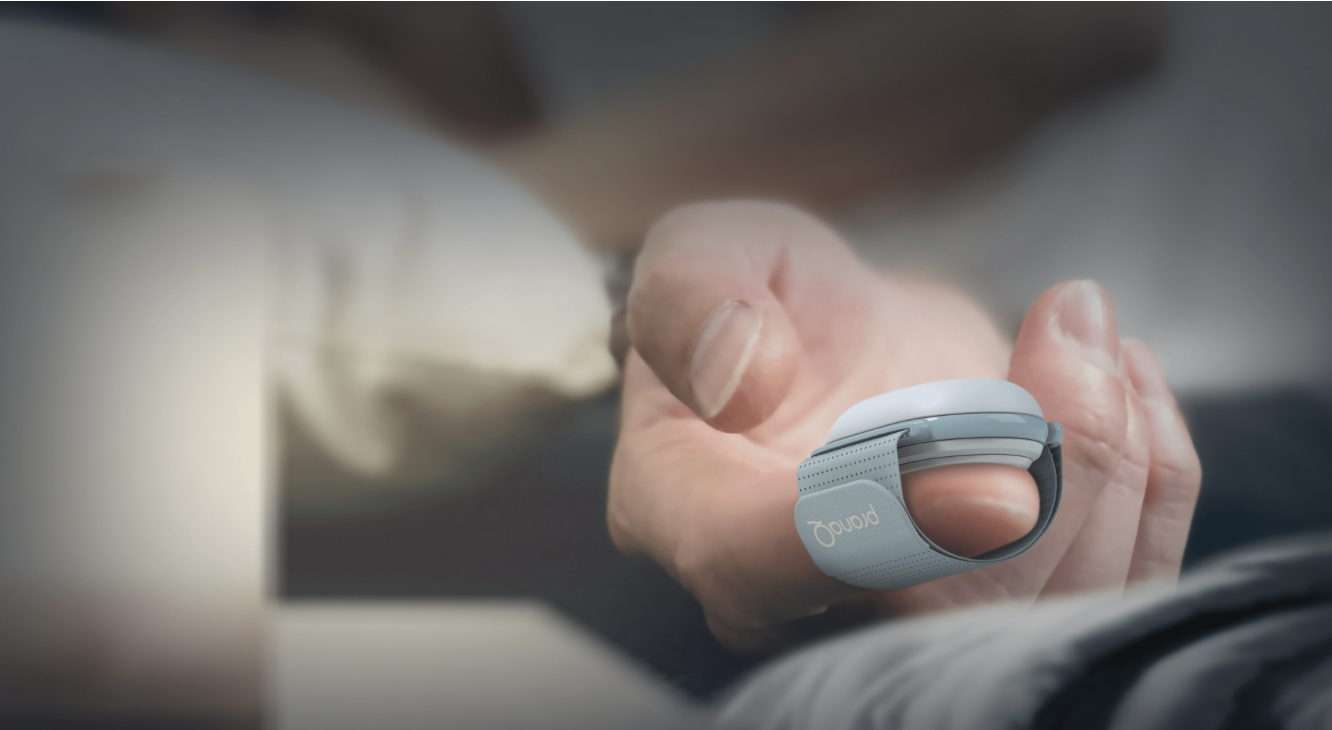
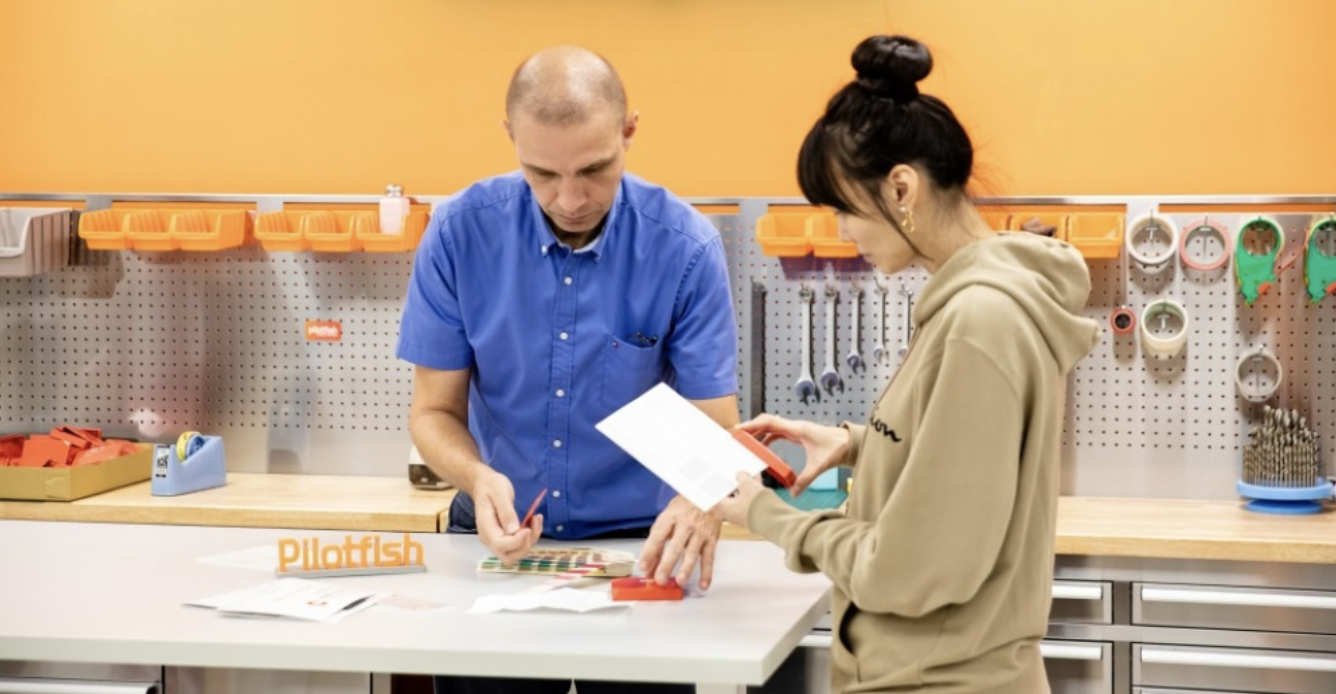
What the EU’s New Packaging Regulation Really Means for Product Design
The Packaging and Packaging Waste Regulation introduces binding requirements for how packaging must be designed, labeled, and placed on the European Union market. This article explains PPWR in practical terms, refers to official regulatory sources, and outlines how Pilotfish integrates these requirements into real product development processes.
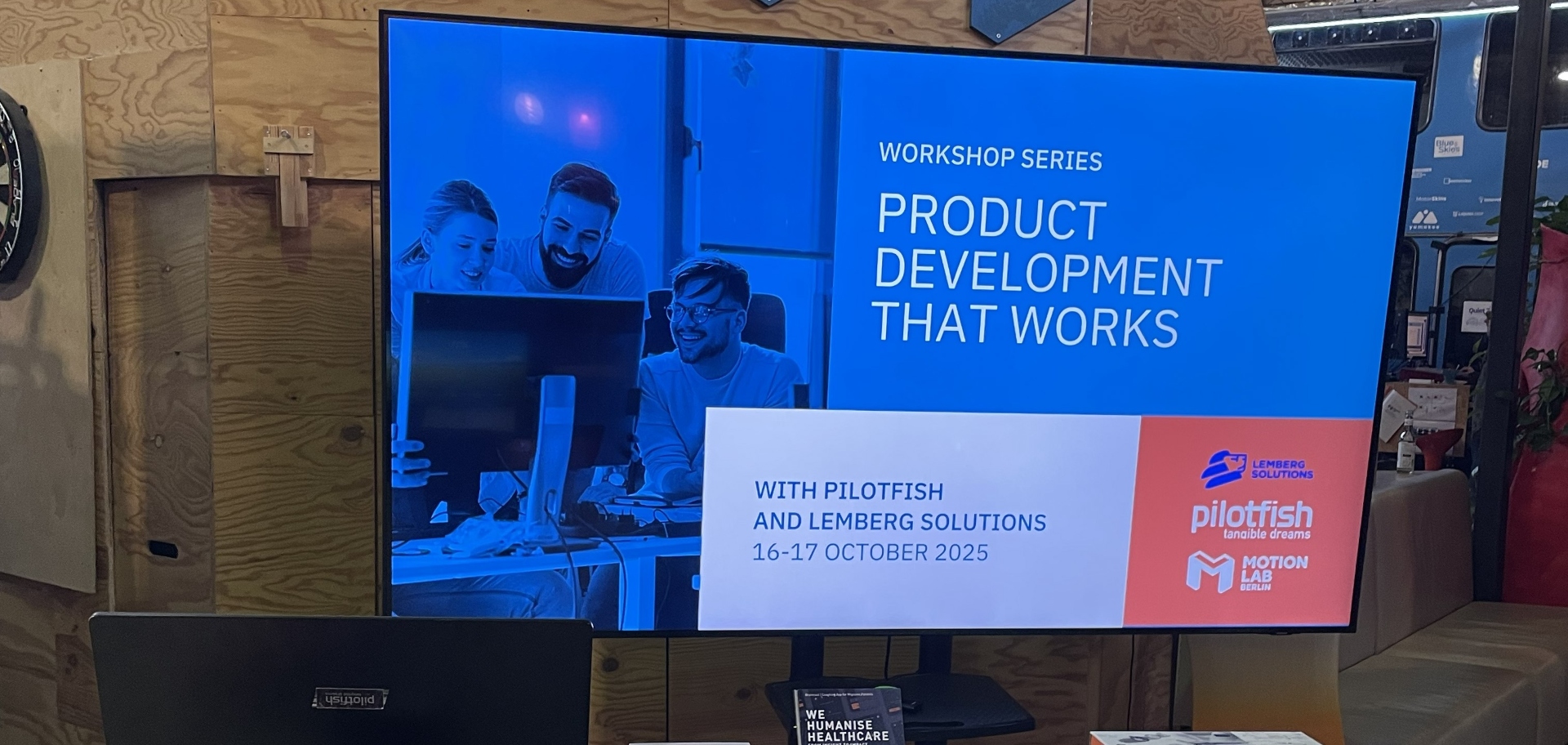
Product Development That Works: Lessons from Two Days of Real-World Practice
Pilotfish, together with Lemberg Solutions and MotionLab.Berlin, hosted a two-day workshop exploring what it really takes to bring hardware products from idea to market. This article shares key lessons from the sessions, from human-centered design to scaling production.

What to Expect from Working with an Industrial Design Consultancy
Industrial design today goes far beyond styling. It is a structured process that connects user needs, engineering, and manufacturing. This article explains how modern design consultancies work and what companies can expect when developing complex products.

From Idea to Market: How to Structure Your Product Development Process
Bringing a product to market is complex, especially in hardware and regulated industries. This article outlines a structured product development process, from early scoping to manufacturing, based on Pilotfish’s experience delivering real, production-ready products.

Verification vs Validation: Why Most Products Fail the Market
Many product teams focus on building things right, but overlook whether they are building the right thing. This article explains the difference between verification and validation, and why missing that distinction leads to failed products.
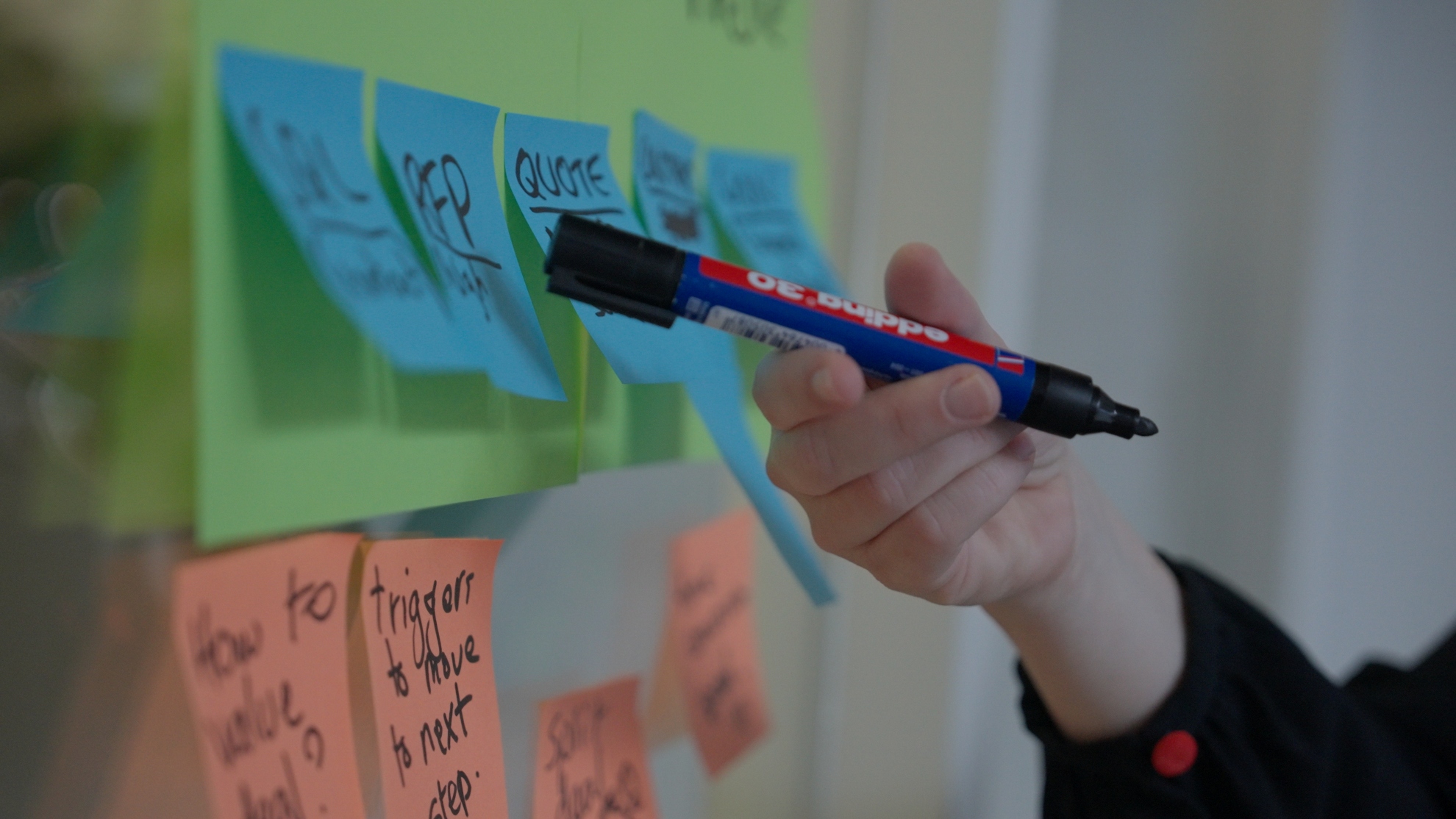

Why Human Factors Engineering Is Critical in Medical Device Development
Human Factors Engineering (HFE) is often misunderstood as usability optimization. In reality, it is a core driver of safety, compliance, and product success in MedTech. This article explores why HFE matters, where companies get it wrong, and how to integrate it effectively.
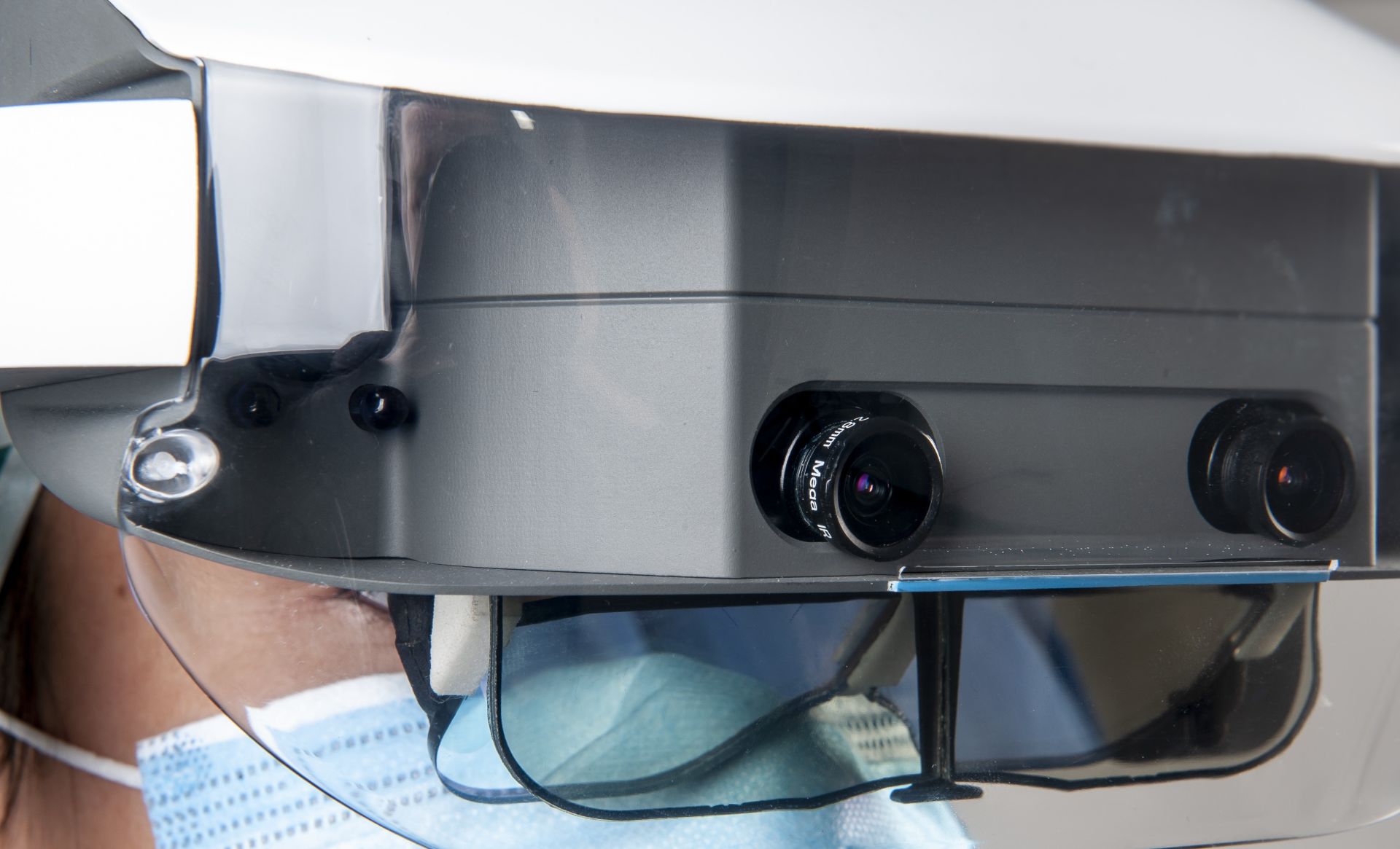
Why XR in Healthcare Isn’t Scaling (And What Actually Works)
XR has moved from experimentation to real clinical use, improving training, surgery, and therapy. Yet adoption across healthcare systems remains uneven. This article explores where XR delivers real value, why scaling is difficult, and what it takes to implement it successfully.
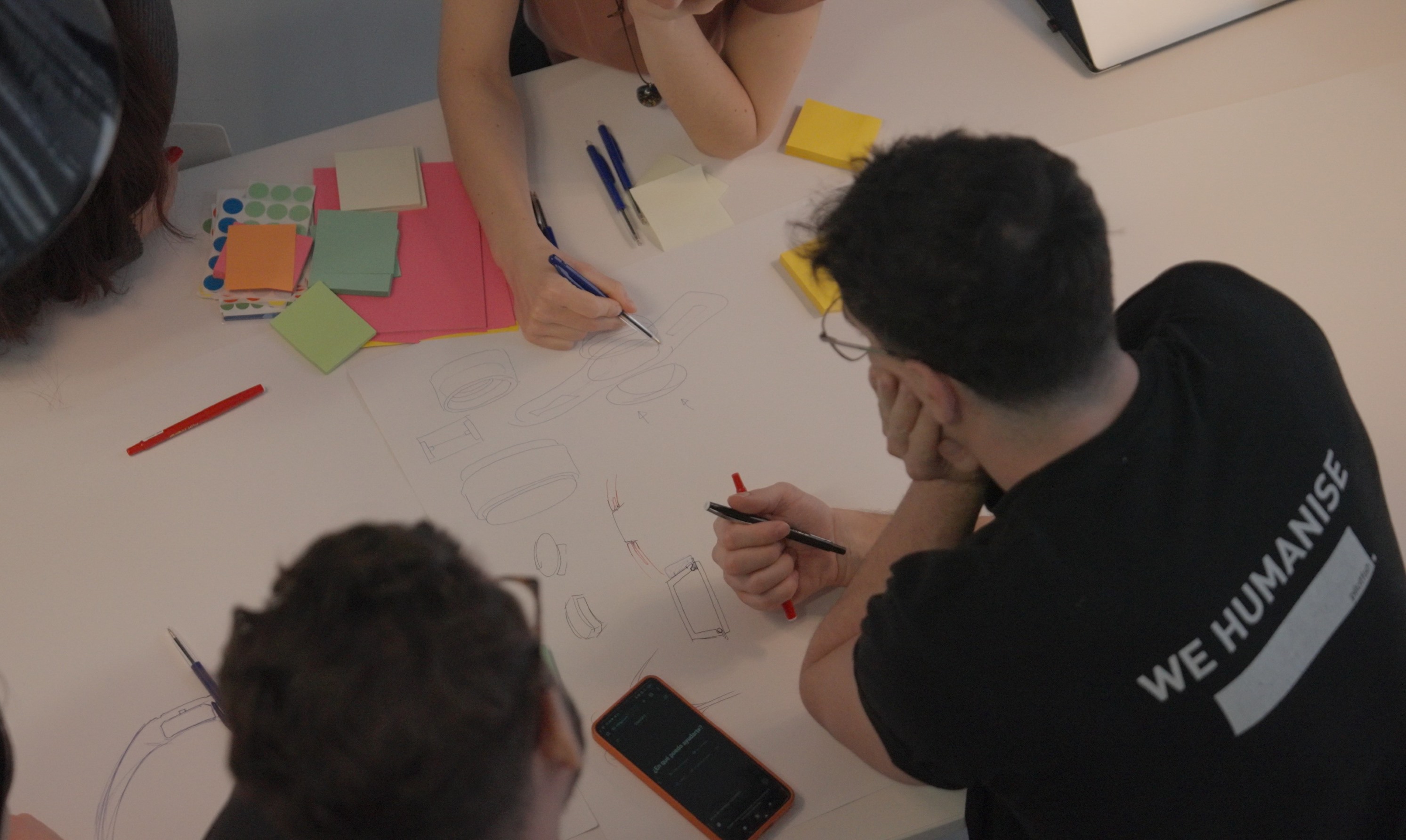
Designing for a Circular Future: How Sustainability Shapes Product Development
Sustainability is no longer a future ambition. With new EU regulations such as the Digital Product Passport and Ecodesign requirements, circularity is becoming a core part of product development. This article explores how Pilotfish integrates circular design into every stage of the process.
.png)
Why Early Compliance Is the Difference Between Launching and Delaying
Many product teams treat compliance as a final step before launch. In reality, this is one of the most expensive mistakes in product development. This article explains why compliance must be integrated early and how to structure development to avoid costly delays.
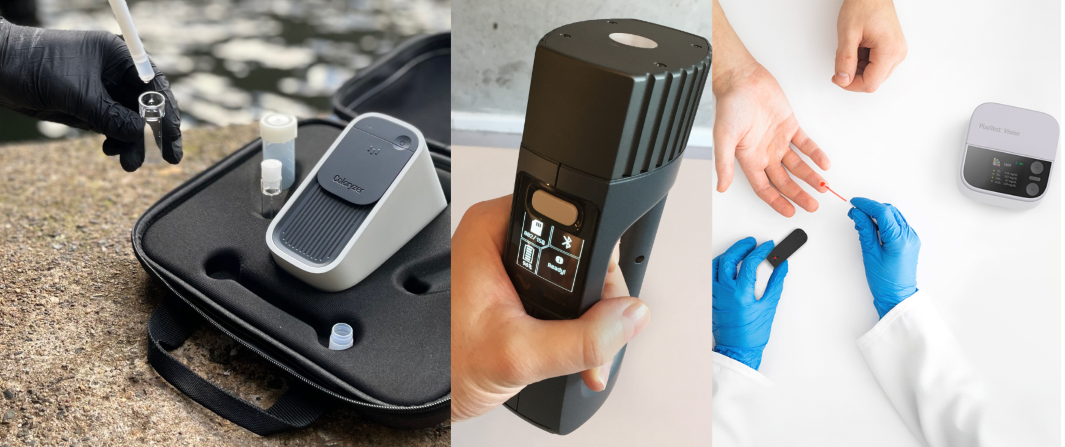
From Lab-on-a-Chip to Real Product: What It Takes to Scale Portable Labs
Lab-on-chip and portable diagnostics are transforming healthcare, agriculture, and environmental monitoring. But turning advanced chip technology into real, usable products remains a major challenge. This article explores where the complexity lies and what it takes to bring these devices to market.
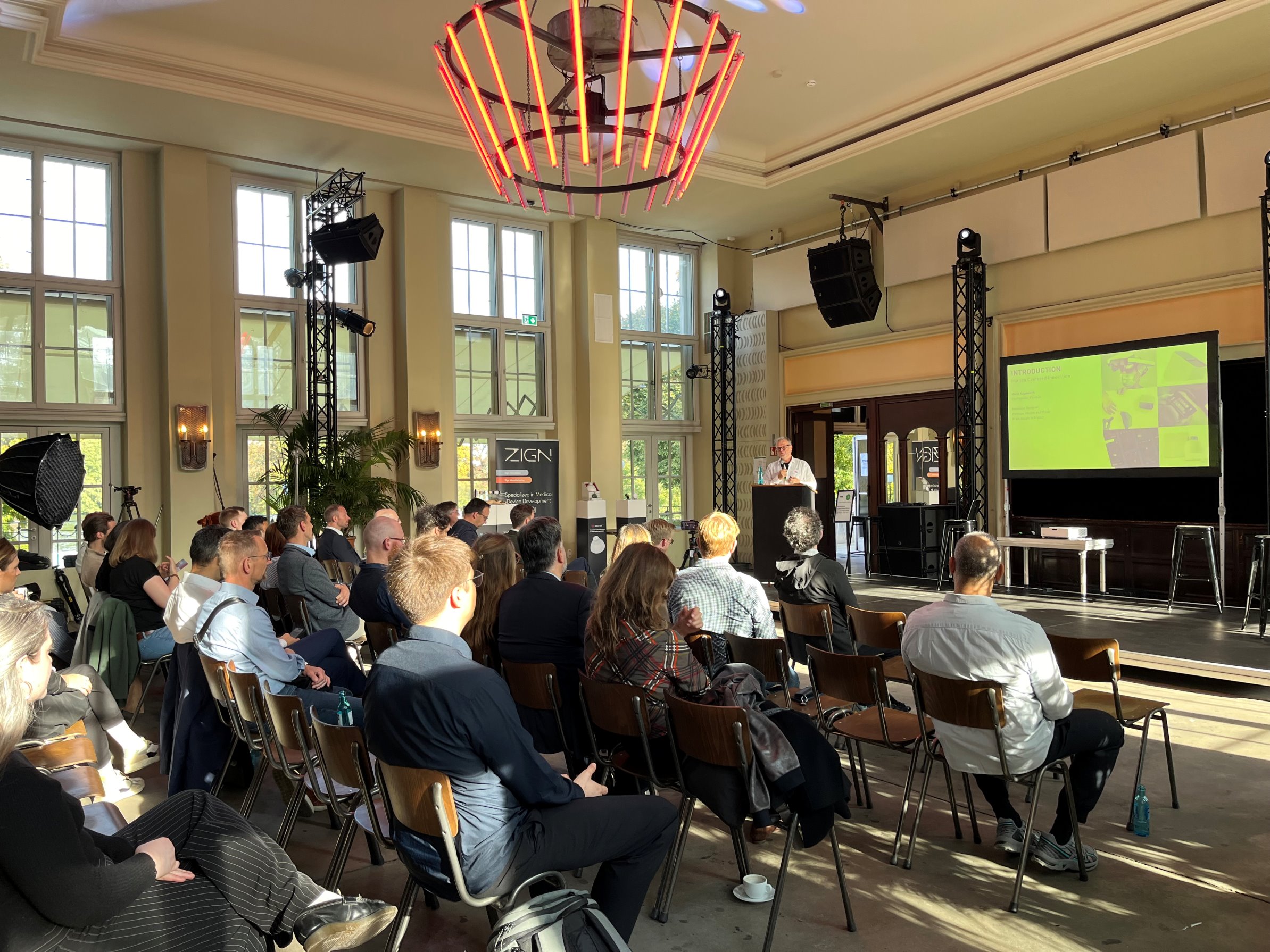
MedTech Unleashed 2024: Building the Future of Healthcare Innovation
MedTech Unleashed 2024 marked the launch of a new platform designed to connect innovators across the healthcare ecosystem. The event brought together experts from clinical, technical, and business backgrounds to explore how better collaboration can accelerate medical innovation.

How to Design User-Friendly Medical Devices
User-friendly design in medical devices is not a nice-to-have. It is essential for safety, efficiency, and adoption. This article explores how to design medical devices that work in real-world conditions by integrating human factors and user insights from the start.

How to Future-Proof MedTech Products and Business Models
Future-proofing in MedTech is not just about technology. It requires a shift in how products, business models, and healthcare systems are designed. This article explores how companies can adapt to digital transformation, rethink hardware, and reduce risk to stay competitive.
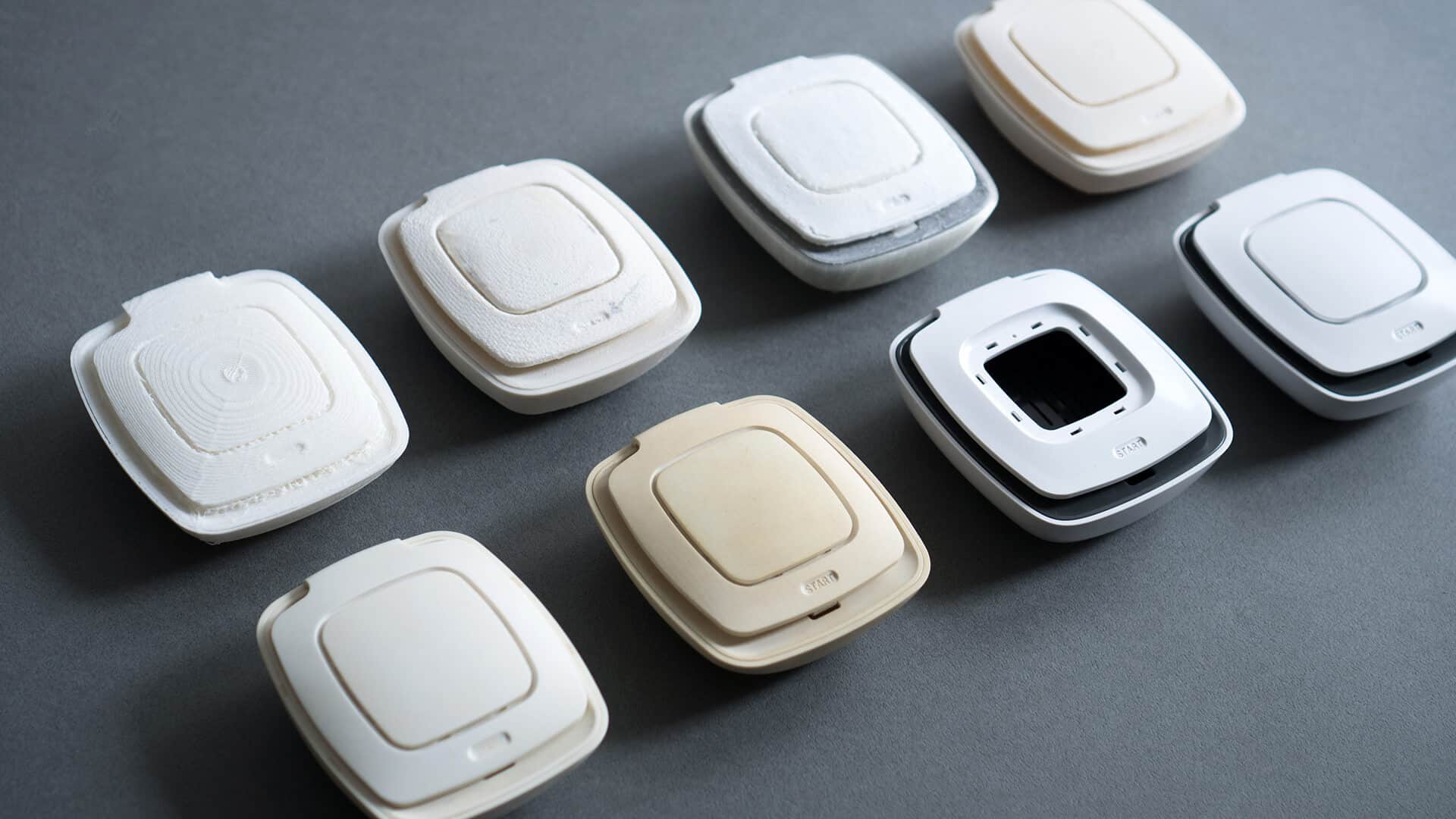
How to Industrialise a Medical Device for Production
Industrialisation is the step where many promising medical devices fail. Turning a prototype into a scalable, compliant product requires more than engineering. This article explains what industrialisation really involves and how to approach it from the start.

What ISO 13485 Really Means for Medical Device Development
ISO 13485 certification is often mentioned in medical device development, but what does it actually mean in practice? This article explains how Pilotfish applies it across the full product lifecycle to deliver safe and user-focused solutions
Career Advice for Designers: Lessons from Bridging Design and Engineering
What does it take to grow from a student into a professional designer? In this interview, Pilotfish designer Jaime Ramírez shares lessons from his career, from bridging design and engineering to building a portfolio that actually gets attention.

Rethinking ESD Packaging: Towards a Sustainable Alternative to Plastic
Electrostatic discharge (ESD) packaging is essential for protecting sensitive electronics, but current materials are difficult to recycle and environmentally harmful. Pilotfish is collaborating on a research project to explore a biodegradable, paper-based alternative.
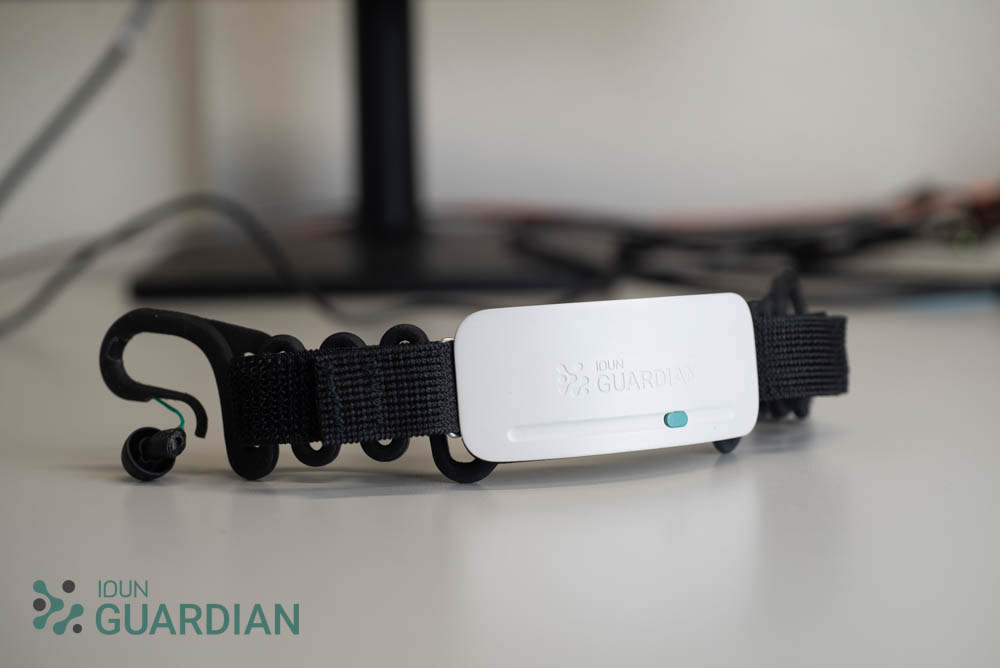
Designing the Future of Sleep: Pilotfish Joins Eurostars-Funded Innovation Project
Pilotfish joins Cerebra and IDUN in a Eurostars-funded project to develop a new generation of sleep technology, combining in-ear brain sensing with advanced data analysis to deliver more personalised sleep insights.

Why Taiwan Plays a Key Role in Modern Product Manufacturing
Taiwan has become one of the most efficient and reliable manufacturing hubs in the world. This article explores how its supplier network, flexibility, and scalability make it a strong choice for product development and productio

Award-Winning Design: Pilotfish Recognised for CellAED Innovation
Pilotfish has been awarded two European Product Design Awards for its work on the CellAED, a handheld personal defibrillator designed to make life-saving technology more accessible, portable, and easy to use.

Pilotfish Achieves Certification: Why ISO 9001 Matters for Product Design
Pilotfish has achieved ISO 9001:2015 certification, demonstrating a structured approach to quality management. This article explores what the certification means and why it matters in the context of industrial design and product development.

Why Gender Bias Still Shapes Product Design (And Why It Matters)
Despite progress in education, industrial design and engineering remain male-dominated fields. This imbalance shapes how products are designed and experienced. This article explores how gender bias shows up in design and why addressing it requires more than awareness.
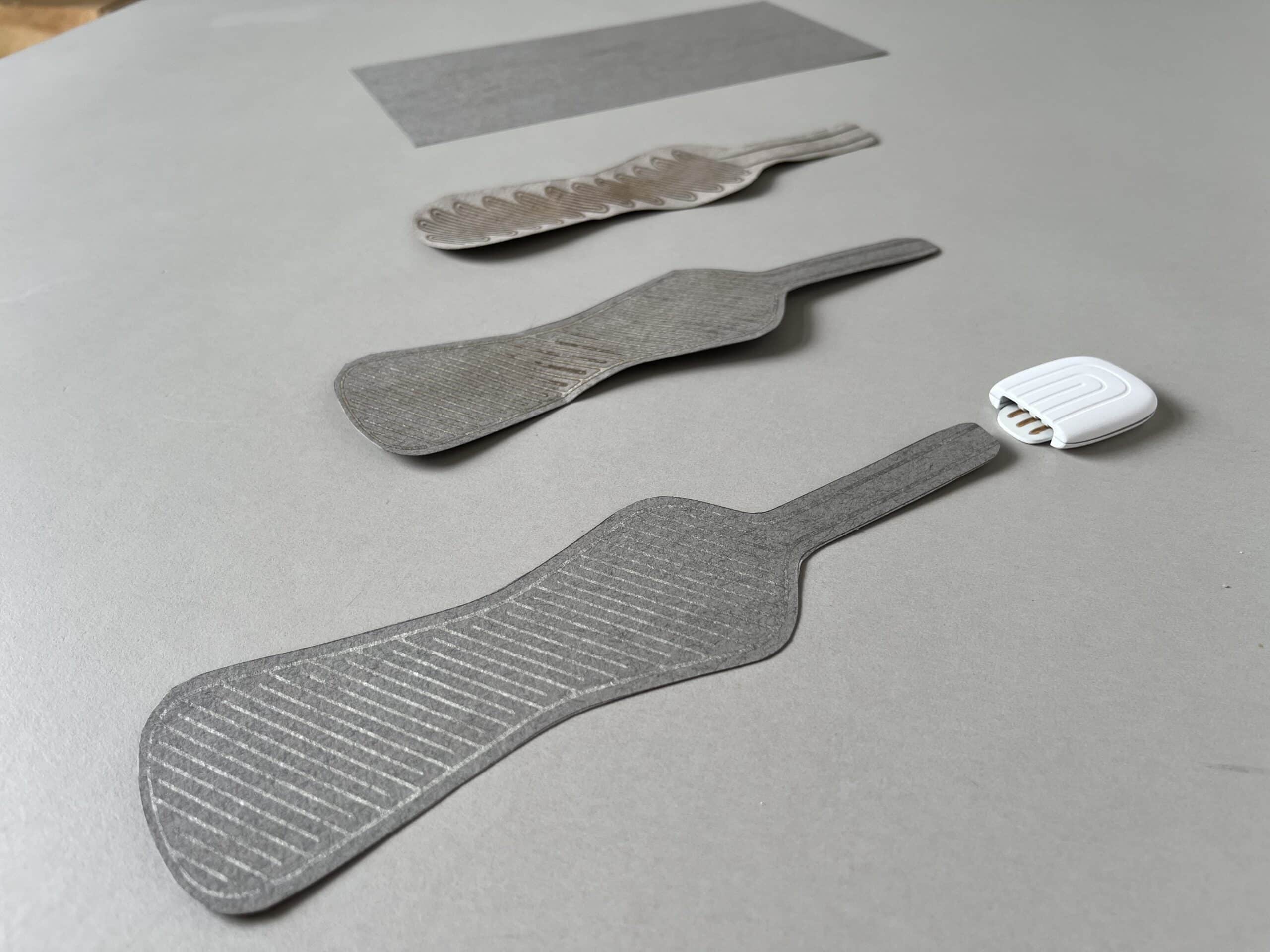
A Collaborative Approach to Smart Incontinence Care: Pilotfish, OrelTech and Partners
Smart incontinence products offer a more efficient and less intrusive way to monitor patient needs. However, high costs have limited their adoption. This collaborative project explores how new materials and design approaches can make these solutions more accessible
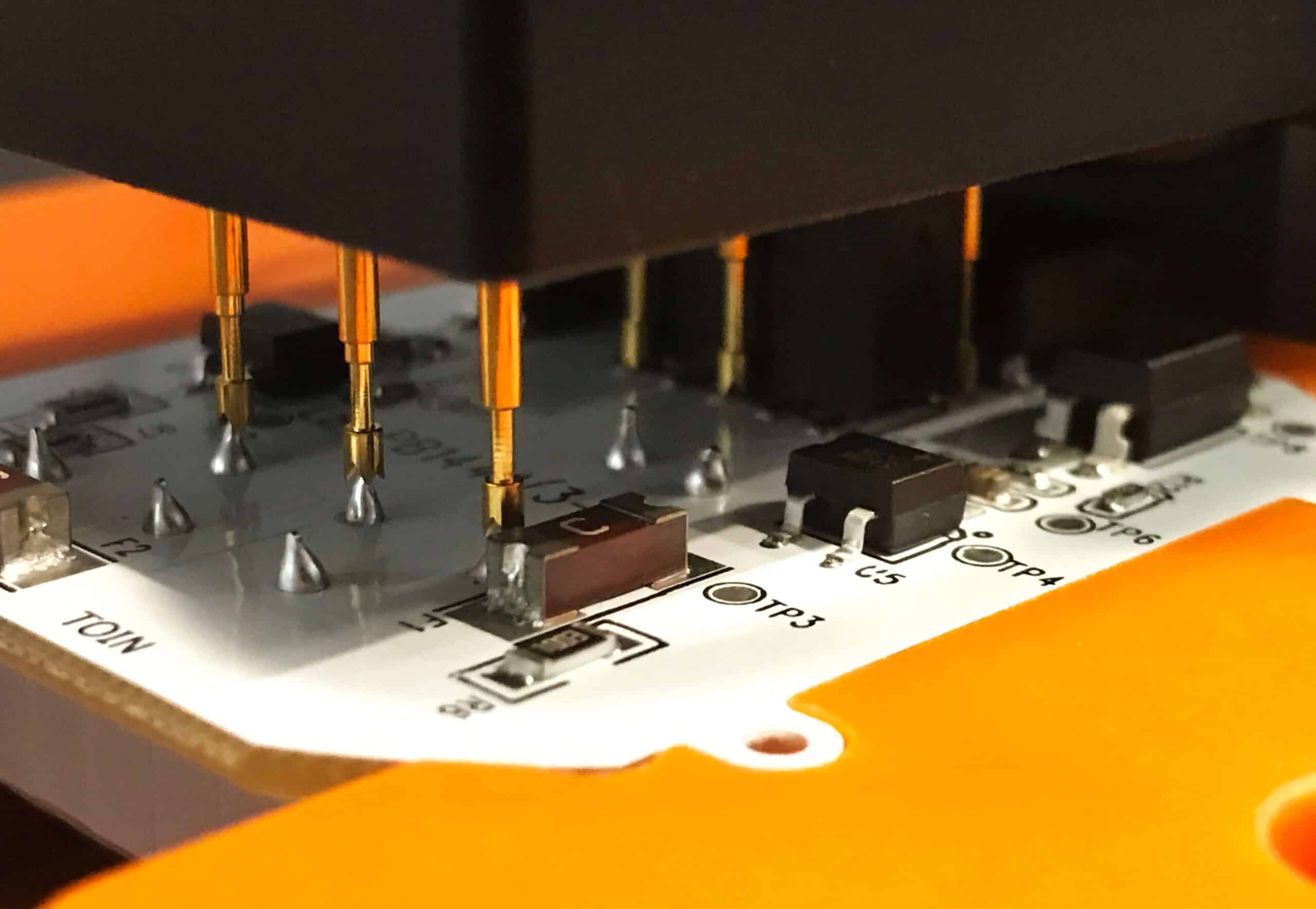
How Covid-19 Changed Innovation and Product Development
Covid-19 disrupted industries globally, but it also accelerated innovation at an unprecedented pace. This article explores how the pandemic reshaped product development, what businesses learned, and how crises can become powerful drivers of innovation.
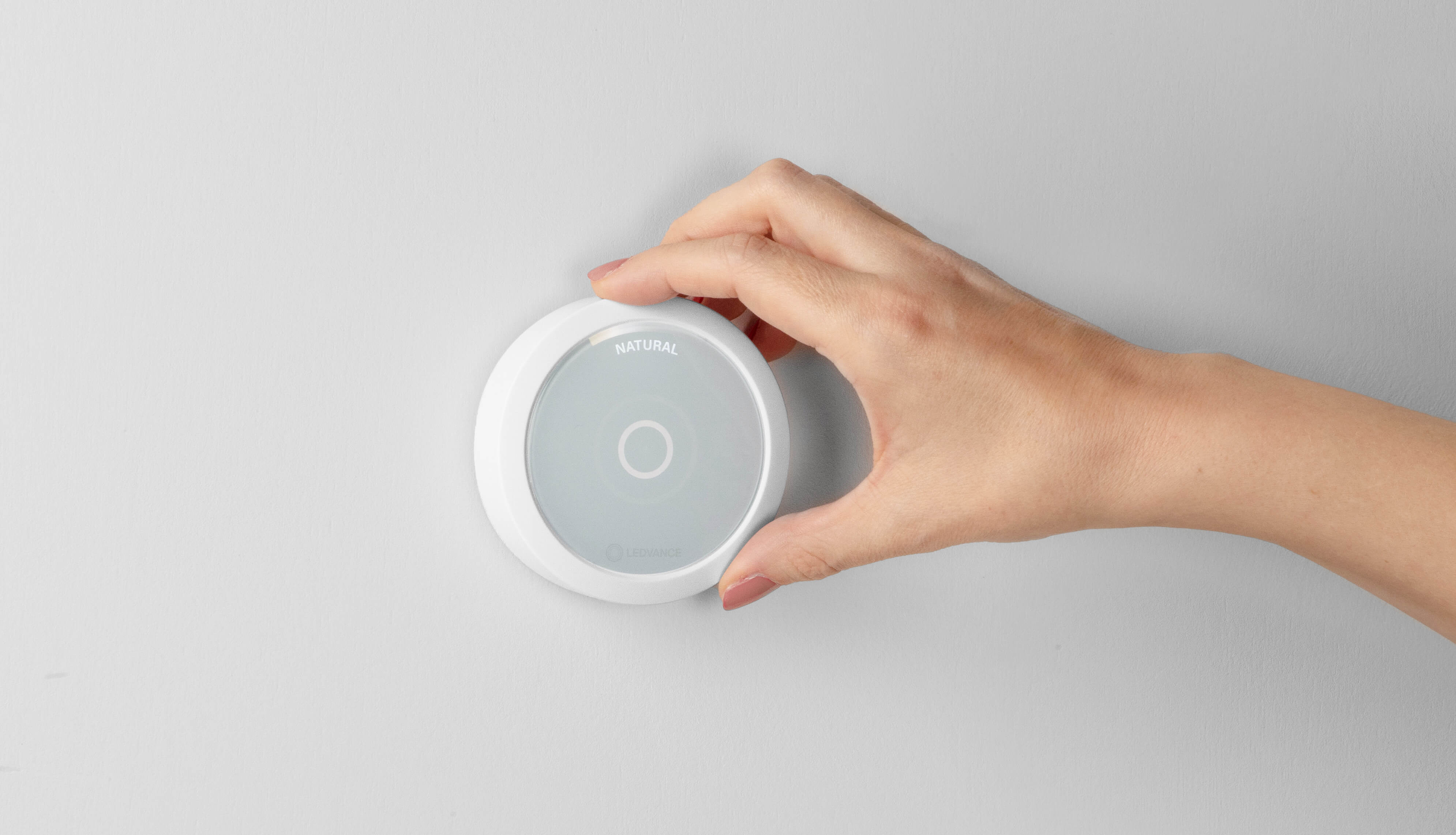
Designing the BIOLUX HCL Control Unit: From Complexity to Award-Winning Product
Human-centric lighting systems are designed to improve well-being, but their complexity often creates usability challenges. This project explores how Pilotfish developed a control unit that translates advanced lighting technology into a simple, intuitive user experience.
Why wait months to launch?
From concept to production - we provide product design and development services to help teams bring products to market faster, without compromising quality or compliance.
.webp)