Smart textiles
Design and build smart textile products and printed electronics.
Pilotfish is the hub of manufacturing for custom parts and assembled products. We are your single point of contact for tool building and production of products. Made in Taiwan, managed by Pilotfish.
.webp)
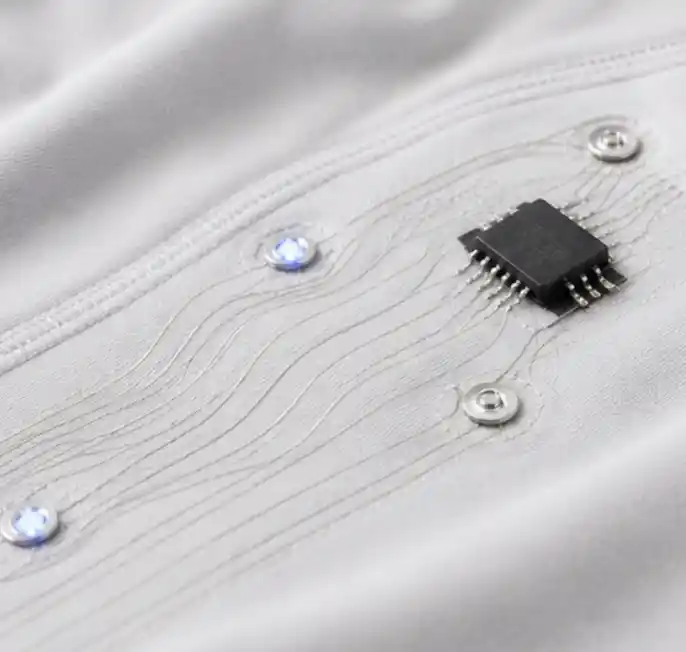
Sensors
on the textile can measure movements, orientation, temperature, moister level, heart rate and more.
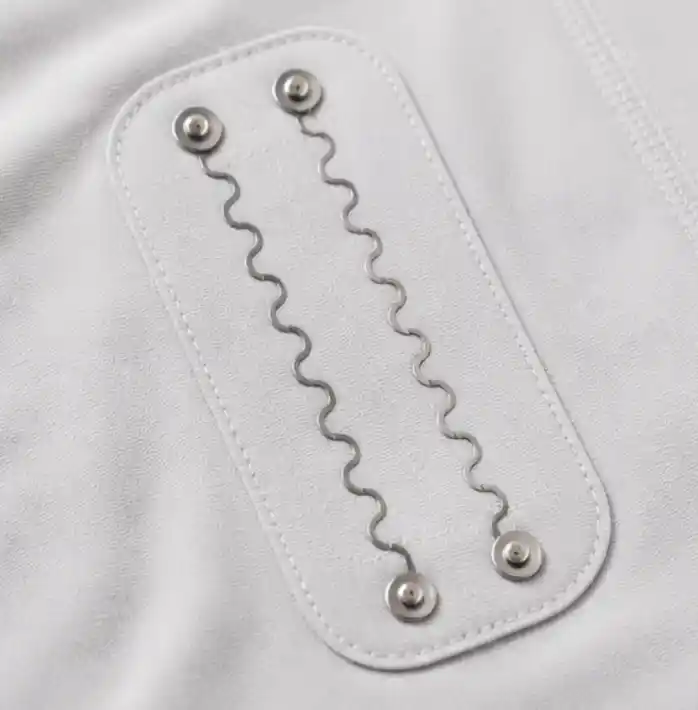
Actuators
provide feedback like vibration, electrical pulls (EMS), heat and even change colour. And of course, data transmission.
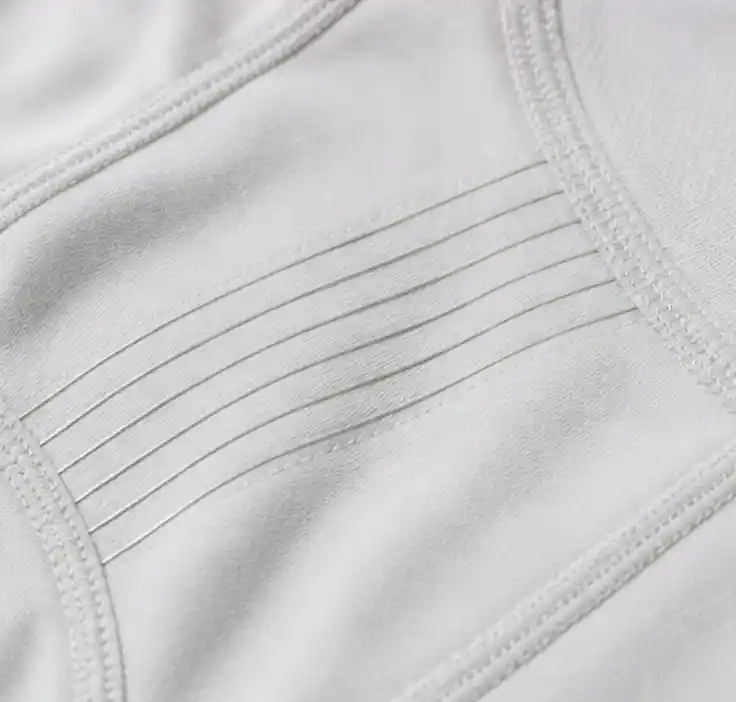
Wires
are embedded into the fabric. Made from flexible stainless steel so the textile can be washed
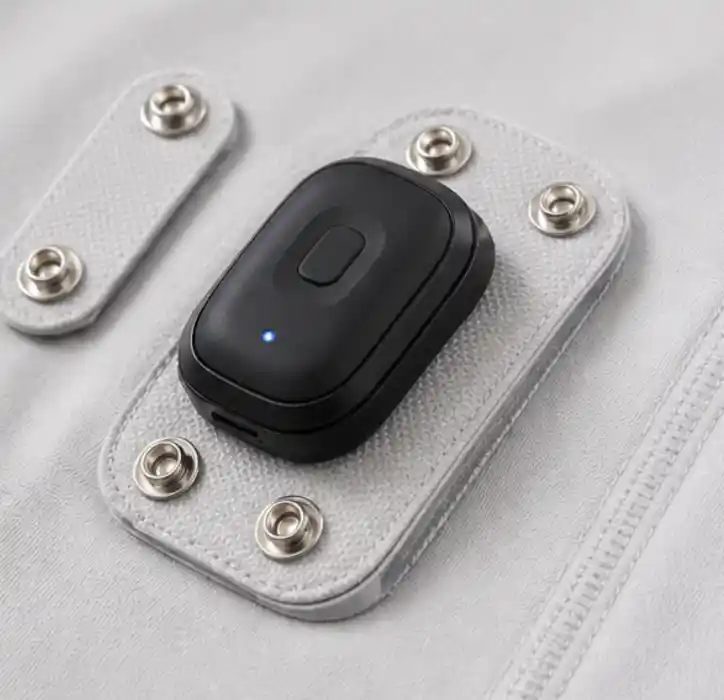
Devices
with batteries, Bluetooth and the MCU are snapped on and can be take off before washing or for charging.
Smart textiles can be applied across a wide range of industries. Here are some examples:
Healthcare
Smart textiles bring the hospital into the home. Procedure which used to take place in the hospital, can now be done in the comfort of home with benefits like:
Longer Observation Periods
Observations can be conducted over a longer period, resulting in more accurate measurements.
Lower Costs
Patients do not occupy expensive hospital space, reducing the overall cost of care.
Greater Patient Comfort
Patients can remain in the comfort of their own home.
Instant Rehabilitation Feedback
Patients do not occupy expensive hospital space, reducing the overall cost of care.

Sports
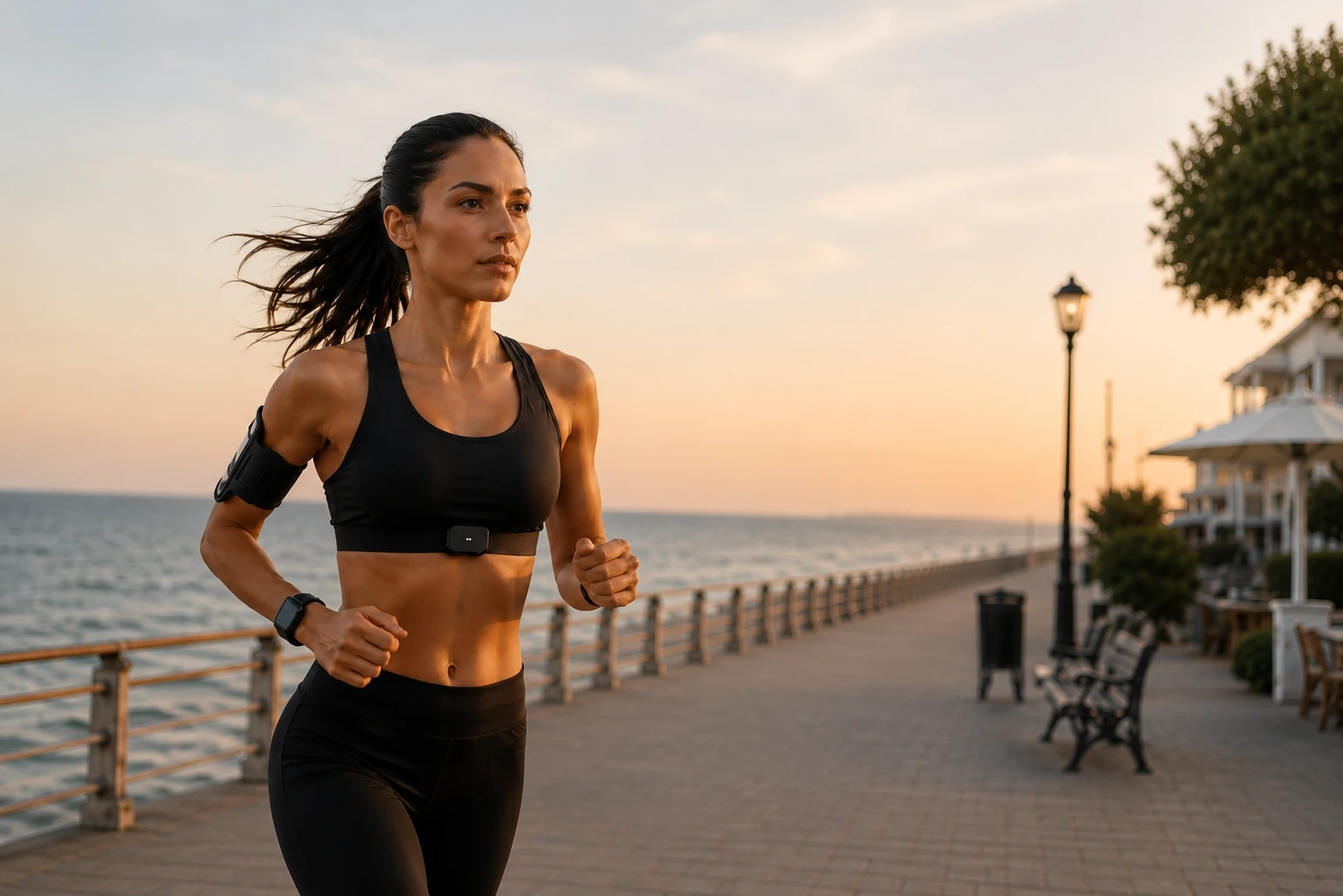
Track your sport performance and provide feedback
Heart Rate & Temperature Monitoring
Monitor heart rate and body temperature in real time during training and physical activity.
Movement Analytics via IMU
Analyse movement and performance across activities such as running, tennis, and golf.
E-sport & Gaming Feedback
Receive real-time performance feedback during gameplay.
Electrical Muscle Stimulation (EMS)
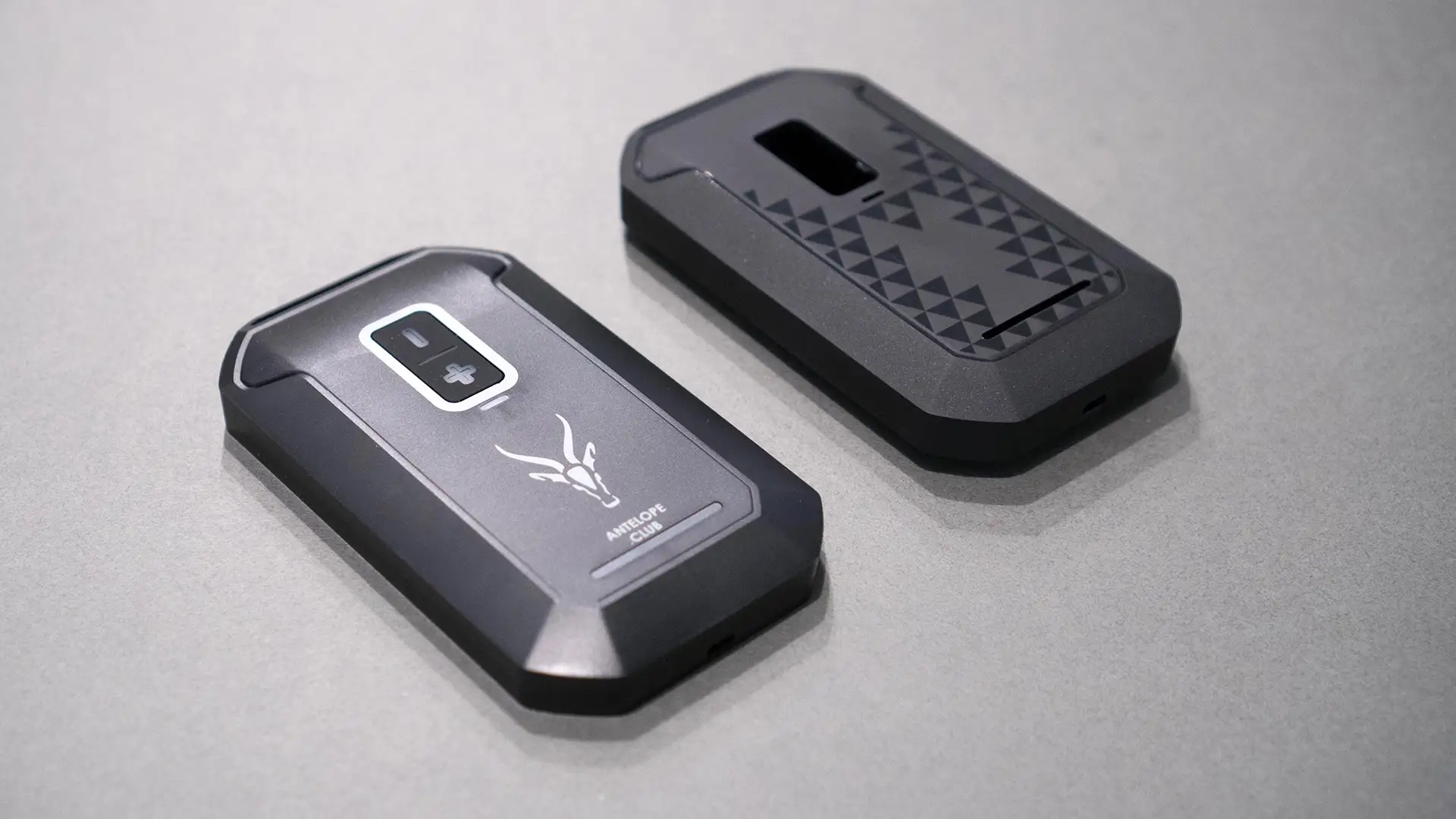
Electrical muscle stimulation to support training and performance. See the Antilope case study.
Mission critical jobs
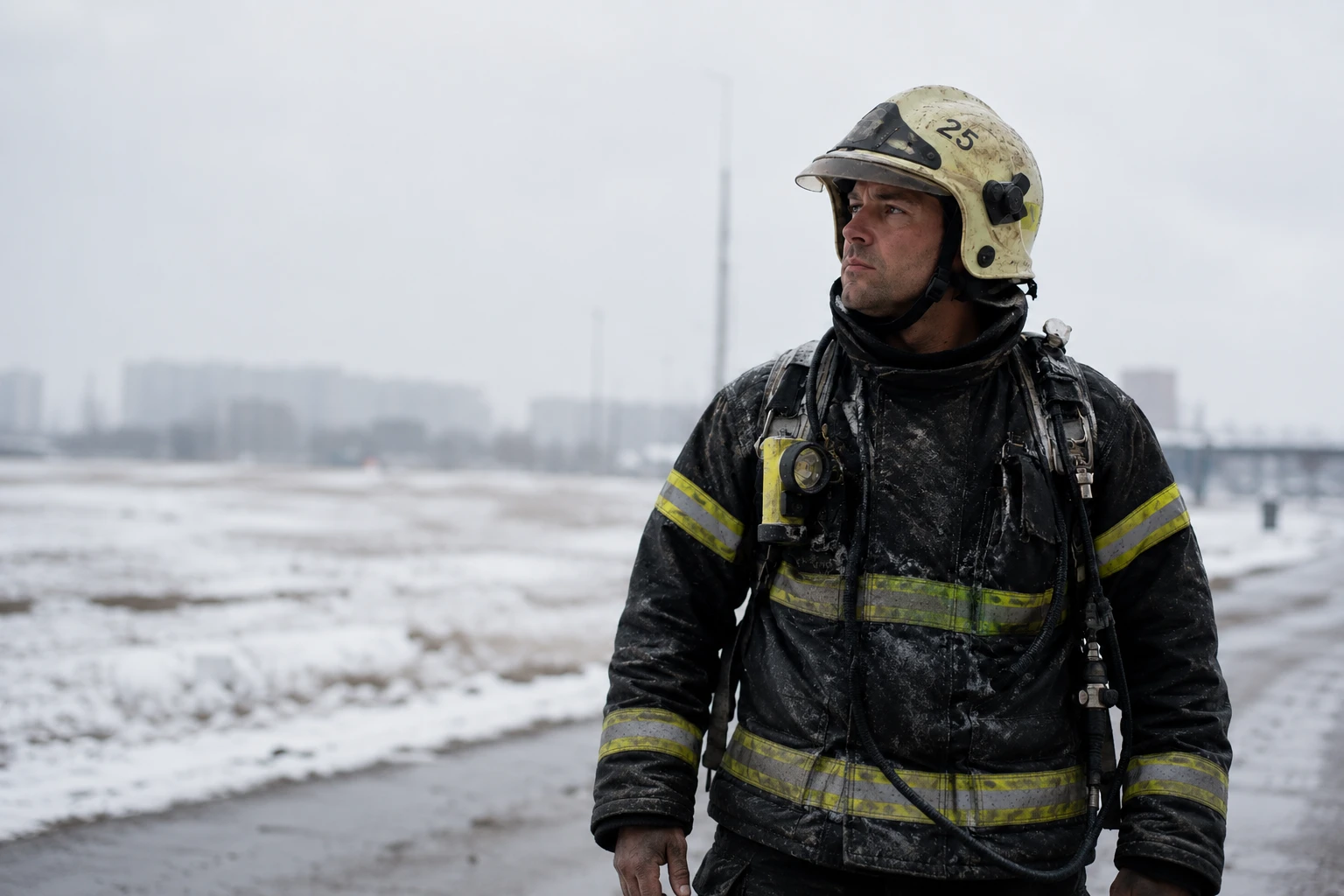
Working under extreme conditions, smart textile can improve safety and comfort.
Vital Function Monitoring
Monitor vital body functions during firefighting and other high-risk operations.
Extreme Temperature Protection
Heated smart clothing helps improve safety and comfort in extreme temperature conditions.

Pilotfish is member of the TSTA Taiwan.
With the TSTA, Pilotfish is in the centre of smart textile research and manufacturing. Pilotfish produce all high-end garments in Taiwan.