Smart production in small batches.
.webp)

Why produce in small batches?
Larger batch sizes usually mean a lower product price, as NRE, tool and overhead costs are divided across more products, with lower raw material prices and higher yield rates.
But TCO (Total Cost of Ownership) and TTM (Time to Market) matter too, making small-batch production the right choice in many situations.
Cash
Large batches reduce the unit price, but require more upfront investment in components and stock. Small batches help preserve cash while testing the market and developing sales channels.
Speed
When time to market matters, there may be no time to build a complete production and assembly line. Small batches help you move from product to market faster.
Time-sensitive
Market demands and technologies can change quickly. Small-batch production gives you the flexibility to improve and adapt the product between production runs.
Niche specialized market
Specialized markets may require lower volumes without compromising on quality. Small batches make high-quality production viable even when you simply don’t need large quantities.
How we make small-batch production work?
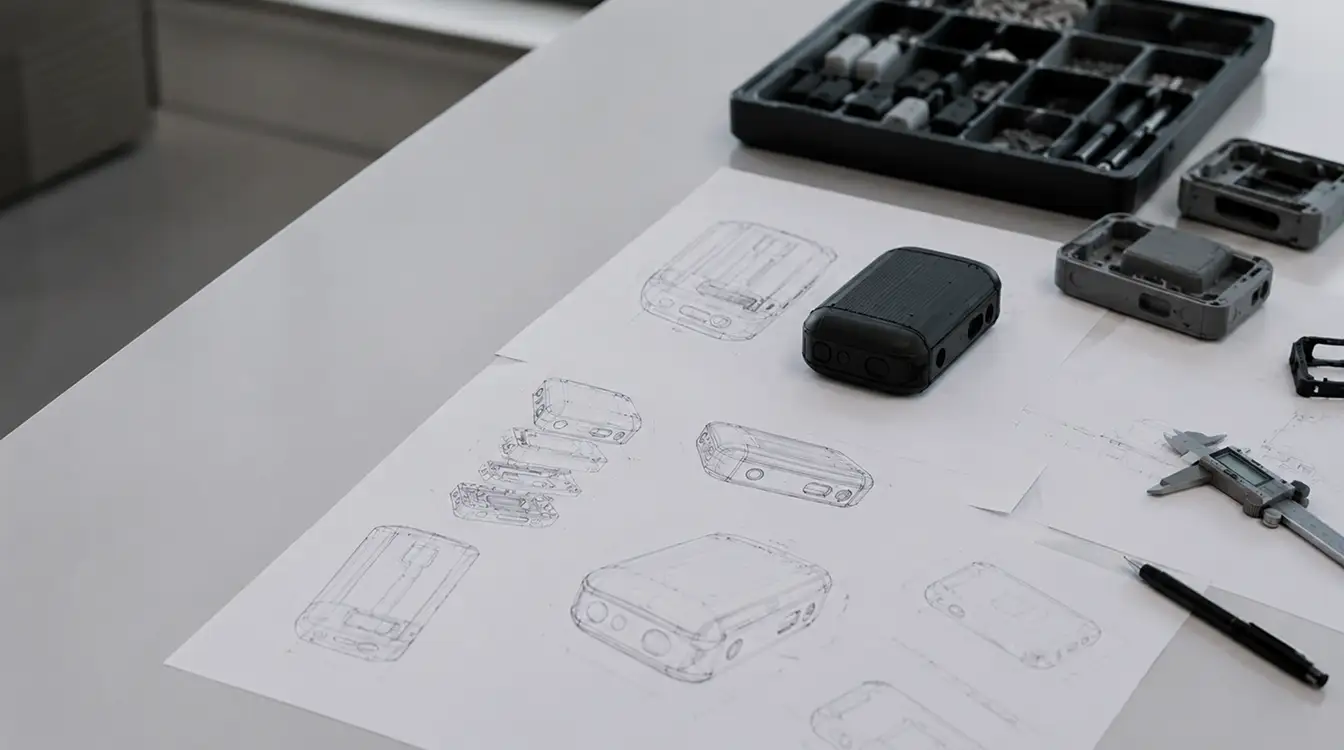
Product design
Scalable & modular design
Low-MOQ components
Generic components & second sources
Simple housing assembly
Tools
Rapid & soft tooling
Match tool life to volume
Multi-cavity tools
Avoid unnecessary tooling complexity

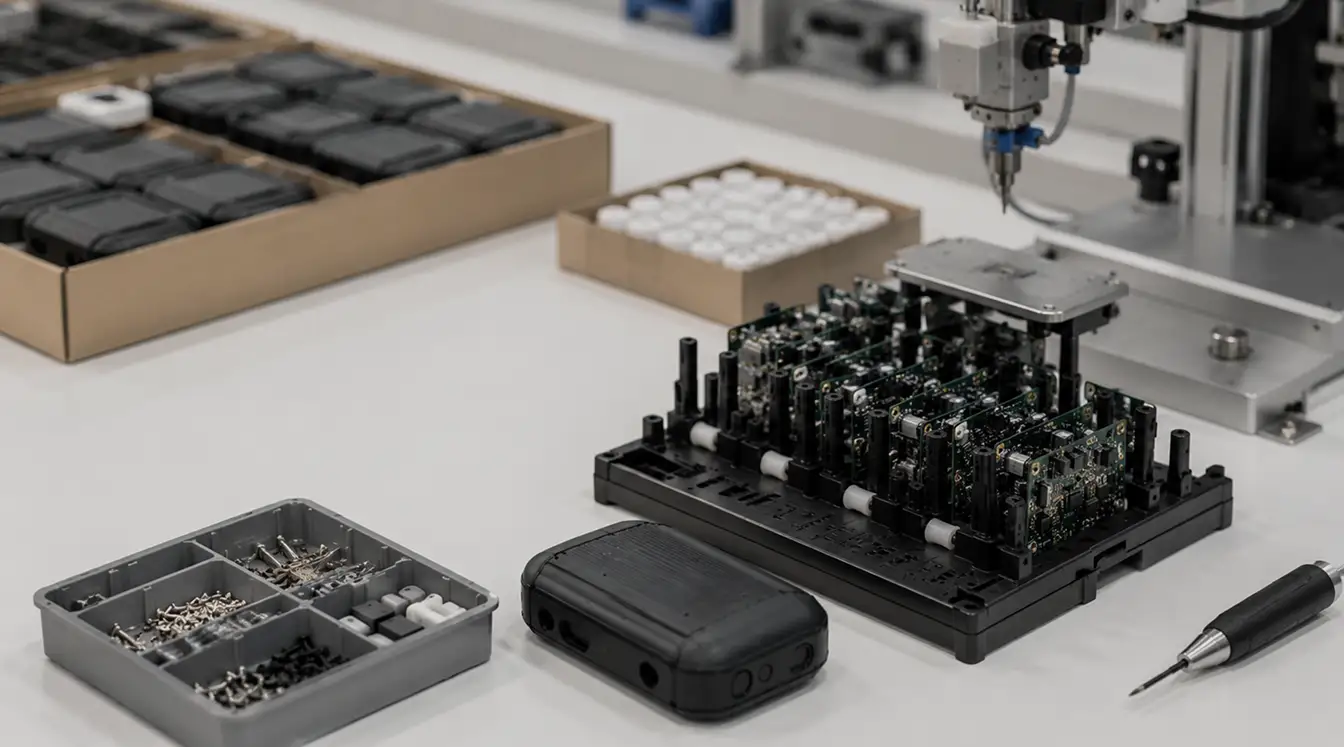
Assembly
Manual & jig-assisted assembly
Avoid early automation
Plan partial deliveries
Balance stock & batch costs
Ready to produce in small batches?
Let’s discuss your product and find the right way to bring it to market.