Silicone is a versatile material for soft parts.
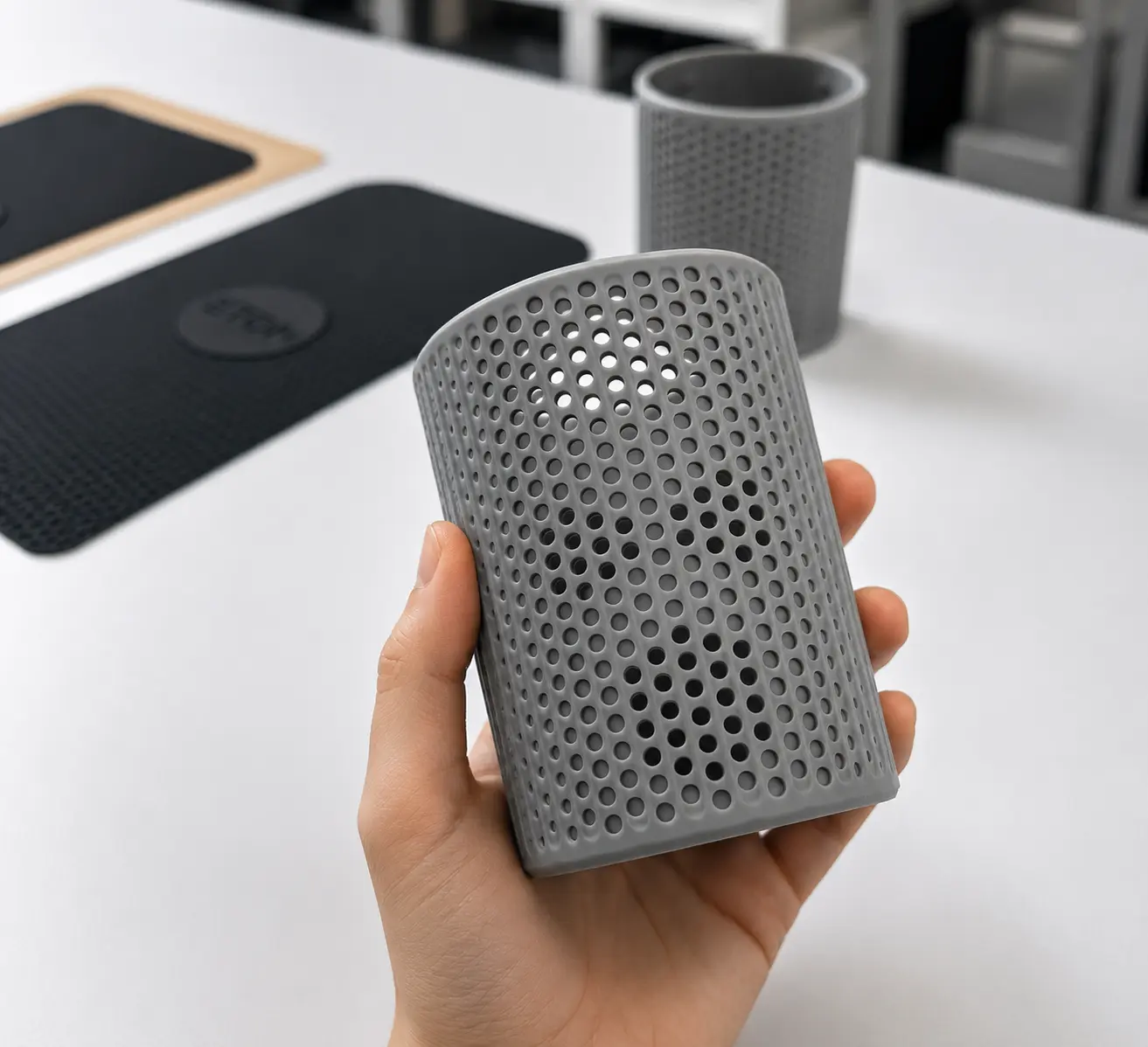
Advantages and disadvantages of silicone
Silicone offers unique performance characteristics that make it the preferred material for many demanding applications. Here’s how it compares.
Advantages
Temperature Resistance
Flexibility & Elasticity
Chemical Resistance
Food & Medical Safe
Electrical Insulation
Long-Term Durability
Disadvantages
Higher Part Cost
More Complex Bonding
Overmoulding May Be Required
Not sure if silicone is right for your part?
Why Choose Pilotfish?
At Pilotfish we design, engineer and produce products. We optimize the design and engineering of your part and product for manufacturing.
Silicone Parts Moulding Process
Silicone parts production process is different from injection moulding of TPE (thermoplastic elastomer).
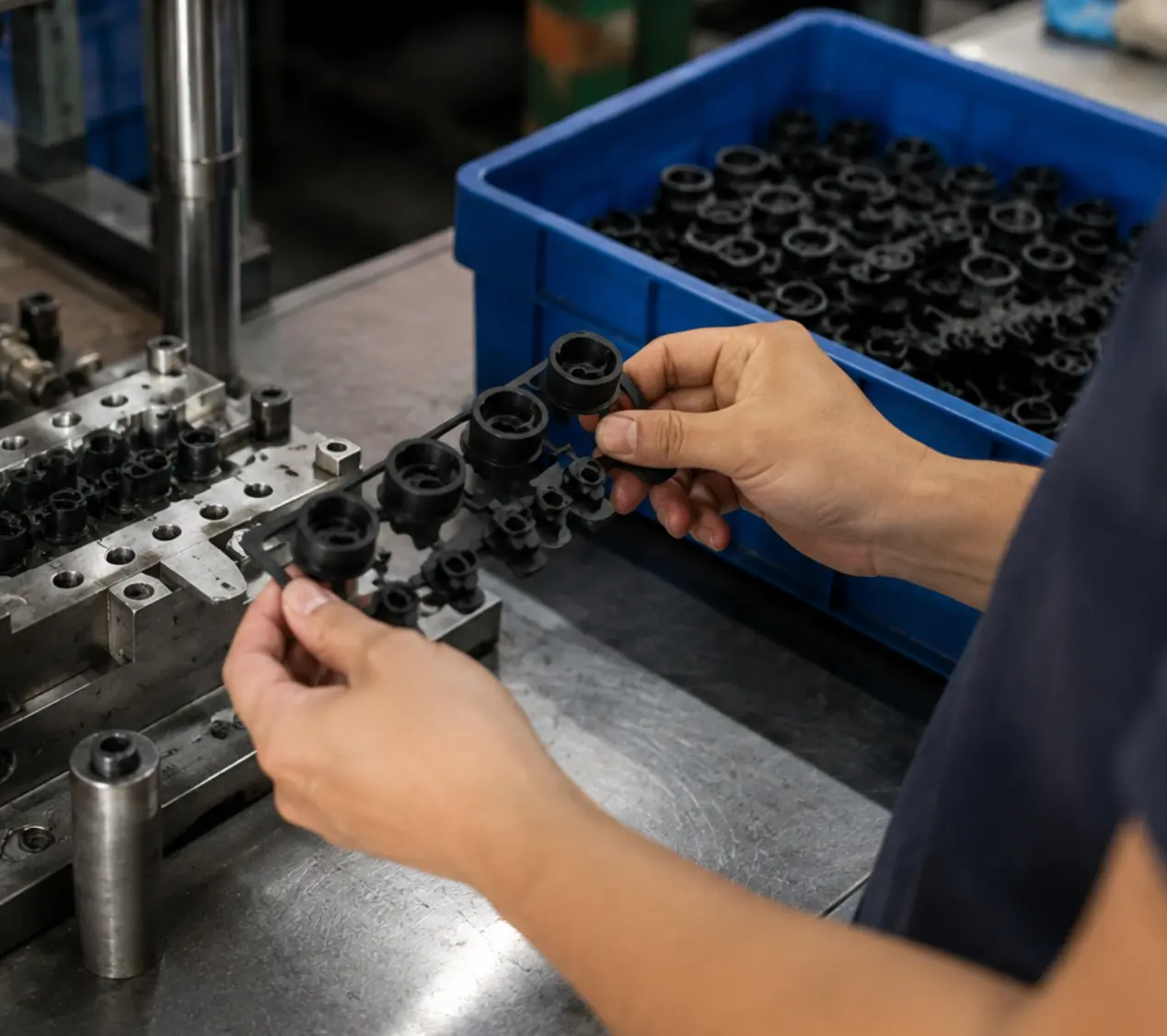
First the silicone raw material is prepared and then pressed into a steel tool. Then the silicone is cured; the chemical process where the shape becomes permanent. One production cycle is about 5 minutes, and several parts are often combined in one tool to reduce the production cost.
Silicone Types
LSR and HCR differ significantly in how they are handled and processed: LSR is a liquid material commonly used in automated injection moulding, while HCR has a solid, gum-like consistency and can be compression moulded or extruded.
LSR (Liquid Silicone Rubber)
For high-volume precision moulding.
HCR (High Consistency Rubber)
For moulded and extruded products such as seals and gaskets.
Curing options
LSR and HCR differ significantly in how they are handled and processed: LSR is a liquid material commonly used in automated injection moulding, while HCR has a solid, gum-like consistency and can be compression moulded or extruded.
Peroxide Curing (Heat Curing)
Uses heat and peroxide to cure silicone into its final shape.
Platinum Curing
Uses a platinum catalyst to cure silicone with high purity.
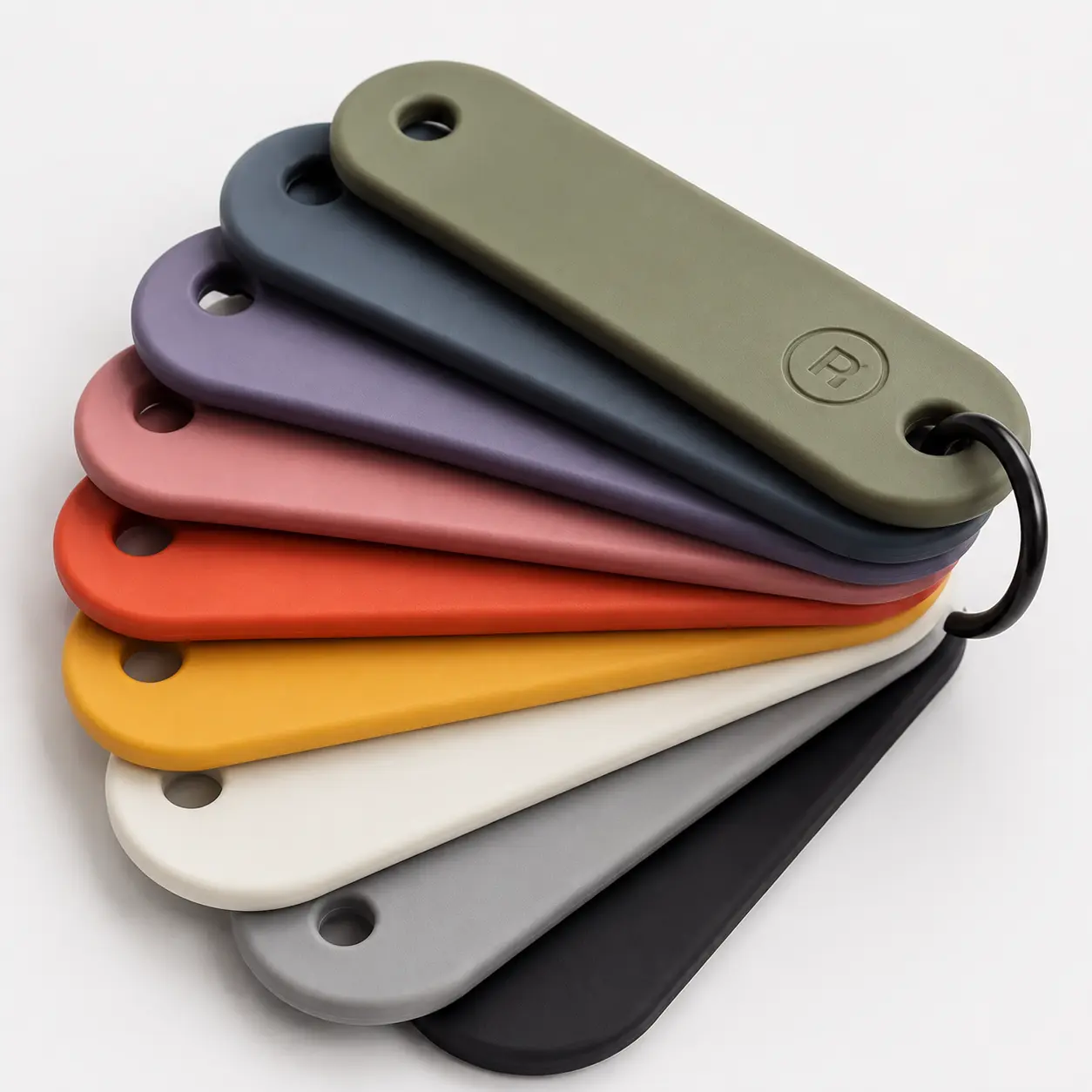
Custom Colours
Silicone parts can be made in various colours by adding a colour additive. For medical devices and food-contact applications, biocompatible colour additives are available.
Overmoulding of Electronics
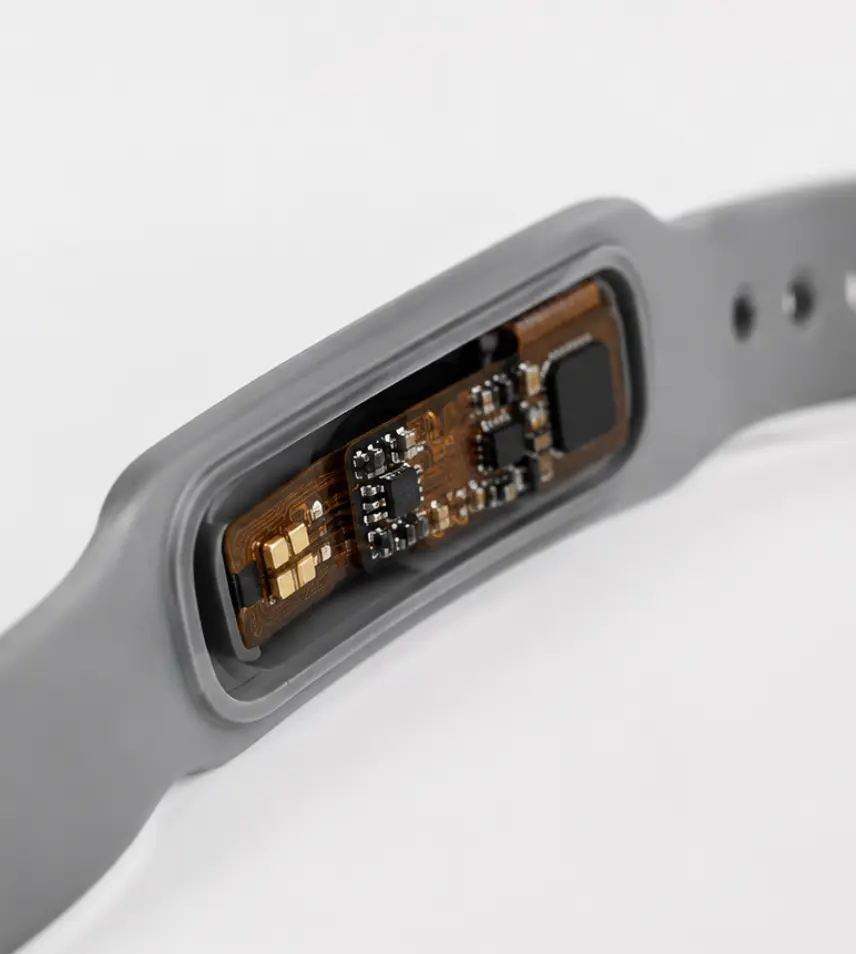
Electronics can be overmoulded and protected with silicone. This is particularly useful in wearable electronics, where silicone provides comfortable skin contact while protecting the integrated FPC.
Ready to develop your silicone part?
From concept and tooling to production, we help companies bring high-performance silicone parts to market.