Pilotfish Achieves Certification: Why ISO 9001 Matters for Product Design
Pilotfish has achieved ISO 9001:2015 certification, demonstrating a structured approach to quality management. This article explores what the certification means and why it matters in the context of industrial design and product development.


Article hightlights
• Pilotfish achieves ISO 9001:2015 certification
• Certification ensures consistent and high-quality outputs
• Structured processes support both creativity and reliability
• Particularly important for regulated industries such as MedTech
What ISO 9001 Certification Means
ISO 9001:2015 is an internationally recognized standard for quality management systems.
It ensures that an organization has structured processes in place to deliver consistent, high-quality results. This includes clear documentation, continuous improvement, and well-defined workflows.
For Pilotfish, the certification reflects a commitment to maintaining high standards across all stages of product development.
Why It Is Uncommon in Design Agencies
ISO 9001 certification is common in manufacturing environments, but less so in creative industries.
There is often a perception that structured processes may limit creativity.
At Pilotfish, the opposite approach is taken.
“Creative agencies are not normally certified. There’s often a fear that it will limit creativity. But we see it the other way around. We can be daringly creative, and at the same time everything is well documented and supported.”
— Marco Heusdens, Managing Director, Pilotfish
Supporting Quality in Product Development
The certification reinforces several key principles within Pilotfish’s way of working.
These include a strong focus on client satisfaction, consistent product quality, and continuous improvement.
It also ensures that internal systems, equipment, and processes are maintained at a high standard, supporting reliable and repeatable outcomes.
This is particularly important in complex projects where design, engineering, and manufacturing must align.
What This Means for Clients
For clients, ISO 9001 certification provides confidence.
It demonstrates that projects are supported by structured processes, clear documentation, and ongoing quality control.
This reduces risk, improves predictability, and ensures that products are developed in a controlled and professional environment.
It is especially valuable in regulated industries such as medical devices, where compliance and traceability are critical.
Don’t miss what’s next in product development

You may also find interesting
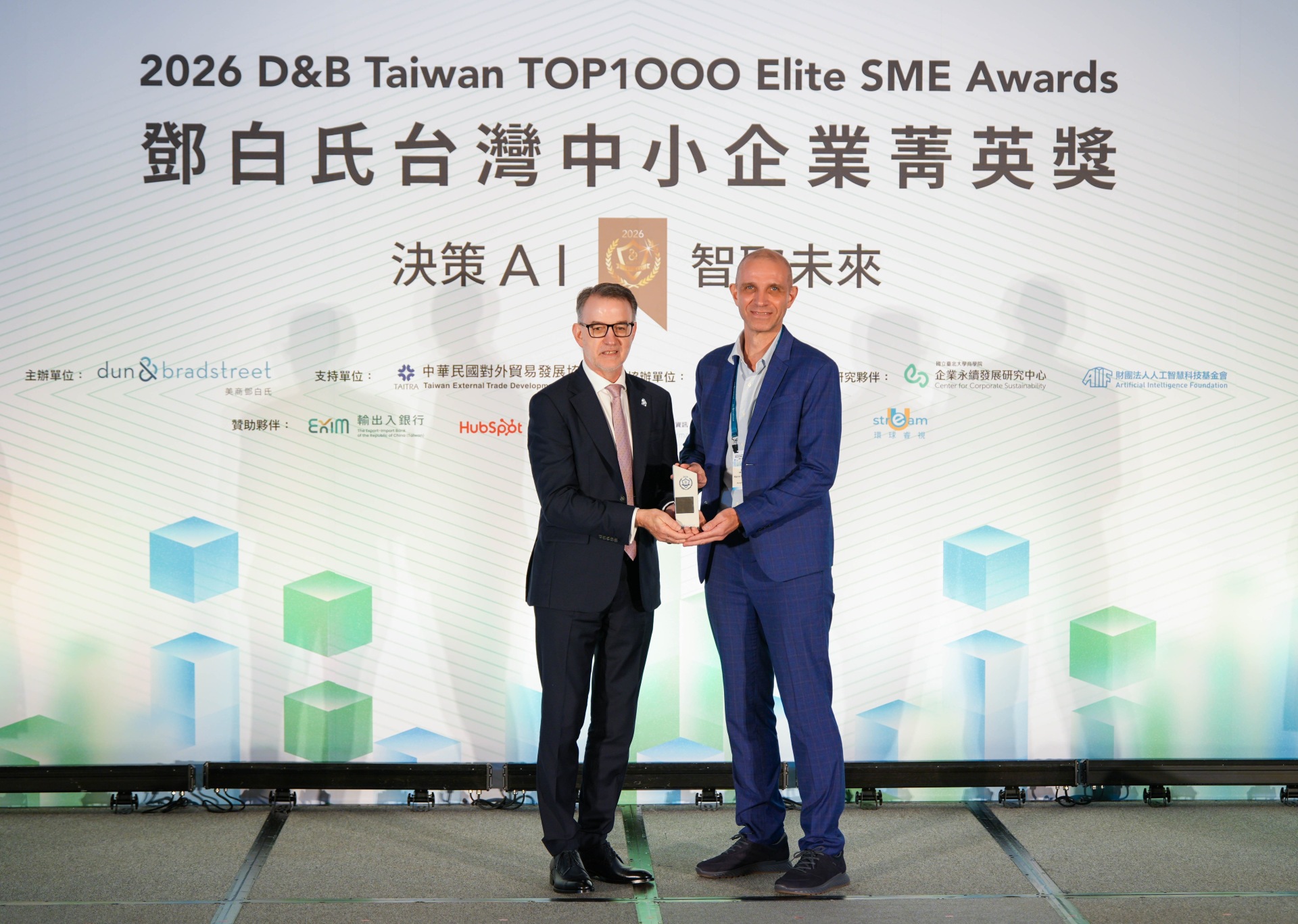
Pilotfish Inc. Earns 2026 D&B SME Elite Award
Pilotfish has been selected as one of Taiwan’s Top 1,000 SMEs in the 2026 Dun & Bradstreet SME Elite Award (鄧白氏中小企業菁英獎), recognising Pilotfish Inc. among a select group of companies demonstrating sustained business performance, international competitiveness, financial soundness and long-term development potential.

.webp)
From Prototype to Production: Why an Integrated Product Development Partner Makes the Difference
Discover why successful hardware products require more than great technology. Learn how an integrated product development approach reduces risk, accelerates time-to-market, and transforms prototypes into scalable, production-ready products.
Why wait months to launch?
From concept to production, we help teams bring products to market faster - without compromising quality or compliance.
What innovators often ask us
This is some text inside of a div block.
It provides confidence that projects are managed professionally and meet high-quality standards.
This is some text inside of a div block.
No, it is more common in manufacturing. Its presence in design agencies reflects a structured approach to development.
This is some text inside of a div block.
It helps ensure reliability, quality, and continuous improvement across all stages of development.
This is some text inside of a div block.
It is an international standard for quality management systems that ensures consistent and controlled processes.