From Prototype to Production: Why an Integrated Product Development Partner Makes the Difference
Discover why successful hardware products require more than great technology. Learn how an integrated product development approach reduces risk, accelerates time-to-market, and transforms prototypes into scalable, production-ready products.

.webp)
Article hightlights
- One multidisciplinary team from idea to production
- Faster transition from prototype to certified product
- Fewer suppliers, fewer handovers, less risk
- Human-centred design integrated with engineering
- Products designed for manufacturing and long-term scalability
Bringing an innovative hardware product to market has never been easy. Today, it is even more challenging. Products have become smarter, regulations stricter, and development teams increasingly specialised. The result? Too many promising ideas lose momentum long before they reach production.
After more than 25 years of developing products across MedTech, Industrial, AgriTech and professional electronics, I've noticed something interesting. Projects rarely fail because the technology isn't good enough. They struggle because the development process is fragmented.
When every supplier focuses on their own piece of the puzzle, nobody owns the product as a whole.
That is exactly why we built Pilotfish differently.
Great Products Need More Than Great Engineering
Many companies start with a promising idea. Sometimes they already have working electronics, an early prototype or a proof of concept. Yet turning that into a successful commercial product often proves far more difficult than expected.
The challenge is rarely a lack of innovation. More often, it is the way development is organised.
Industrial design, electronics, firmware, software, compliance and manufacturing are frequently handled by different suppliers. Each partner delivers quality work, but keeping everything aligned becomes a project in itself. Decisions take longer, communication becomes more complex and small issues quickly grow into expensive redesigns.
We've seen this pattern countless times. The solution is not necessarily adding more expertise. It is bringing the right expertise together from the beginning.
One Team. One Responsibility.
At Pilotfish, we believe the product should always come first.
Instead of managing separate agencies for industrial design, UX, hardware engineering, battery technology, manufacturing and production support, our clients work with one integrated multidisciplinary team.
From the first workshop until mass production, every discipline works towards the same goal. This creates tangible advantages:
- Better alignment from day one
- Faster decision-making
- Fewer handovers between suppliers
- Lower development risk
- Better overall product quality
Perhaps even more importantly, it makes life considerably easier for our clients. Instead of coordinating multiple partners, they can focus on building their business.
Moving Faster from Prototype to Certified Product
One of the biggest frustrations we hear is this:
"We have working technology, but we're struggling to turn it into a real product."
That is exactly where many projects become stuck.
A prototype demonstrates that something can work. A commercial product needs to do much more. It has to be intuitive, manufacturable, compliant, reliable and economically viable. Bridging that gap requires multiple disciplines working together from the start.
Our integrated development process covers:
- User research and product definition
- Industrial design and UX
- Mechanical engineering
- Electronics, firmware and software development
- Compliance and certification support
- Design for Manufacturing (DFM)
- Production preparation and industrialisation
Because every stage is connected, products move from concept to production with fewer iterations and significantly less risk.
Designing for Manufacturing from Day One
One of the most expensive mistakes in product development is designing first and thinking about manufacturing later.
Beautiful prototypes often fall apart when they meet production realities.
Materials change.
Costs increase.
Assemblies become too complex.
Certification introduces unexpected redesigns.
That is why manufacturability is never an afterthought at Pilotfish.
Our industrial designers and engineers work closely together throughout the project, balancing aesthetics, usability, engineering constraints and production efficiency from the earliest concepts.
The result is a product that not only looks good, but can actually be manufactured consistently and at scale.
Products People Actually Want to Use
Technology alone rarely determines whether a product succeeds. People do.
We've always believed that the best products are created with users, not simply for them.
Whether we're designing for healthcare professionals, field engineers, machine operators or industrial technicians, we involve real users early in the development process.
This allows us to:
- Validate assumptions before costly development
- Improve usability through rapid iteration
- Reduce training requirements
- Increase product acceptance after launch
When products feel intuitive, adoption becomes much easier.
Innovation, Safety and Sustainability Should Work Together
Many organisations assume these priorities compete with each other. In reality, they should reinforce one another.
Throughout every project we consider:
- Regulatory compliance
- Product safety
- Environmental impact
- Manufacturing efficiency
- Long-term scalability
Addressing these requirements early prevents costly surprises later and creates products that are ready for growth from the moment they enter production.
Less Project Management. More Product Development.
As products become more connected and technically advanced, coordination often becomes the biggest hidden cost.
Every additional supplier creates another interface.
Another meeting.
Another handover.
Another opportunity for misunderstanding.
By bringing industrial design, engineering and production preparation together under one roof, we remove much of that complexity.
Communication becomes faster.
Decisions become clearer.
Momentum is maintained throughout the project.
That allows our clients to spend less time managing suppliers and more time building successful products.
When Does an Integrated Development Partner Make Sense?
Our clients usually come to us at one of these moments:
- They have a promising idea but no clear product definition.
- They already have working electronics or a proof of concept.
- They need industrial design, UX or branding.
- Mechanical engineering and DFM still need to be developed.
- They are preparing for certification or series production.
- They want to reduce project risk while accelerating time-to-market.
In each case, the challenge is the same.
The technology already exists. The product still needs to be created.
That is where an integrated development partner adds the greatest value.
Final Thoughts
Over the past two decades, I've become convinced of one thing. Successful products are rarely the result of brilliant engineering alone. They come from aligning technology, design, manufacturing and user needs from the very beginning.
When one team owns the entire journey, decisions become simpler, development moves faster and products have a far greater chance of succeeding in the market.
That is the approach we've followed at Pilotfish for more than 25 years. And it continues to prove that integration is not just a more efficient way to develop products. It is a better way to build products people actually want to use.
Don’t miss what’s next in product development
You may also find interesting
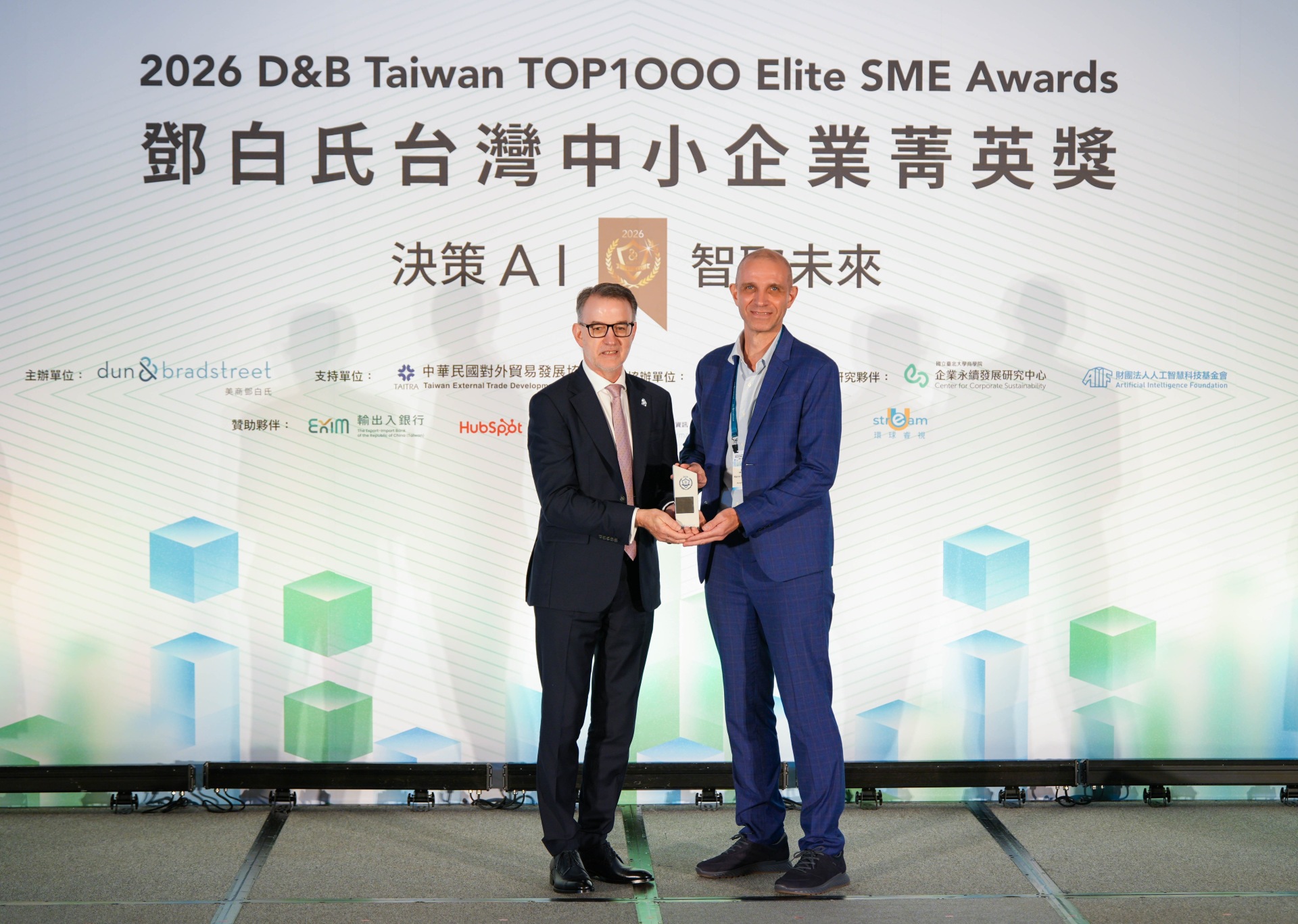
Pilotfish Inc. Earns 2026 D&B SME Elite Award
Pilotfish has been selected as one of Taiwan’s Top 1,000 SMEs in the 2026 Dun & Bradstreet SME Elite Award (鄧白氏中小企業菁英獎), recognising Pilotfish Inc. among a select group of companies demonstrating sustained business performance, international competitiveness, financial soundness and long-term development potential.
From Prototype to Production: Why an Integrated Product Development Partner Makes the Difference
Discover why successful hardware products require more than great technology. Learn how an integrated product development approach reduces risk, accelerates time-to-market, and transforms prototypes into scalable, production-ready products.
Why wait months to launch?
From concept to production, we help teams bring products to market faster - without compromising quality or compliance.
What innovators often ask us
This is some text inside of a div block.
Integrated product development combines industrial design, engineering, electronics, software, UX, compliance and manufacturing preparation into one coordinated process. Instead of managing multiple suppliers, companies work with a single multidisciplinary partner throughout the product lifecycle.
This is some text inside of a div block.
Ideally, as early as possible. Even if you already have working electronics or an initial prototype, involving an experienced product development partner early reduces risk and prevents costly changes later.
This is some text inside of a div block.
Absolutely. Many of our clients come to us with existing electronics or proof-of-concept prototypes. We help transform these into production-ready products through industrial design, engineering, user validation, Design for Manufacturing (DFM) and production preparation.
This is some text inside of a div block.
Integrated product development is particularly valuable for MedTech, Industrial, AgriTech, professional electronics, wearables and other connected devices where usability, compliance and manufacturing all play critical roles.
This is some text inside of a div block.
By aligning all disciplines from the start, issues are identified earlier, communication improves and unnecessary redesigns are avoided. This reduces development time, lowers costs and creates a smoother transition into production.
This is some text inside of a div block.
A prototype demonstrates technical feasibility. A production-ready product has also been optimised for usability, reliability, manufacturability, compliance, cost efficiency and scalable production.