Medical Device Design and Development Services
Pilotfish is a medical device design and development company working with startups and established organisations across Europe, Asia and North America. Our medical device development services cover the full product lifecycle - from early-stage research through regulatory submission and production ramp-up.
We support companies in developing medical devices, providing safety, usability, and compliance from the very first decision to production-ready products. By combining human-centered design, engineering, and regulatory know-how, we help reduce development risk and shorten time to market.
Medical products don’t exist in isolation. They are often used in complex environments, by different types of users, under pressure, and mostly with little room for error. That is why we focus from the beginning on how a device will actually be used, manufactured, and approved.
Specialisation Overview
Whether you are building a medical wearable, a portable diagnostic device, a connected patient monitoring system, or a surgical tool, our approach adapts to the use environment, risk classification, and regulatory pathway of your product.
Different types of medical devices come with different constraints. Use context, risk level, and regulatory pathways all shape our proportionate development approach.
We support teams across several key areas:
This is some text inside of a div block.
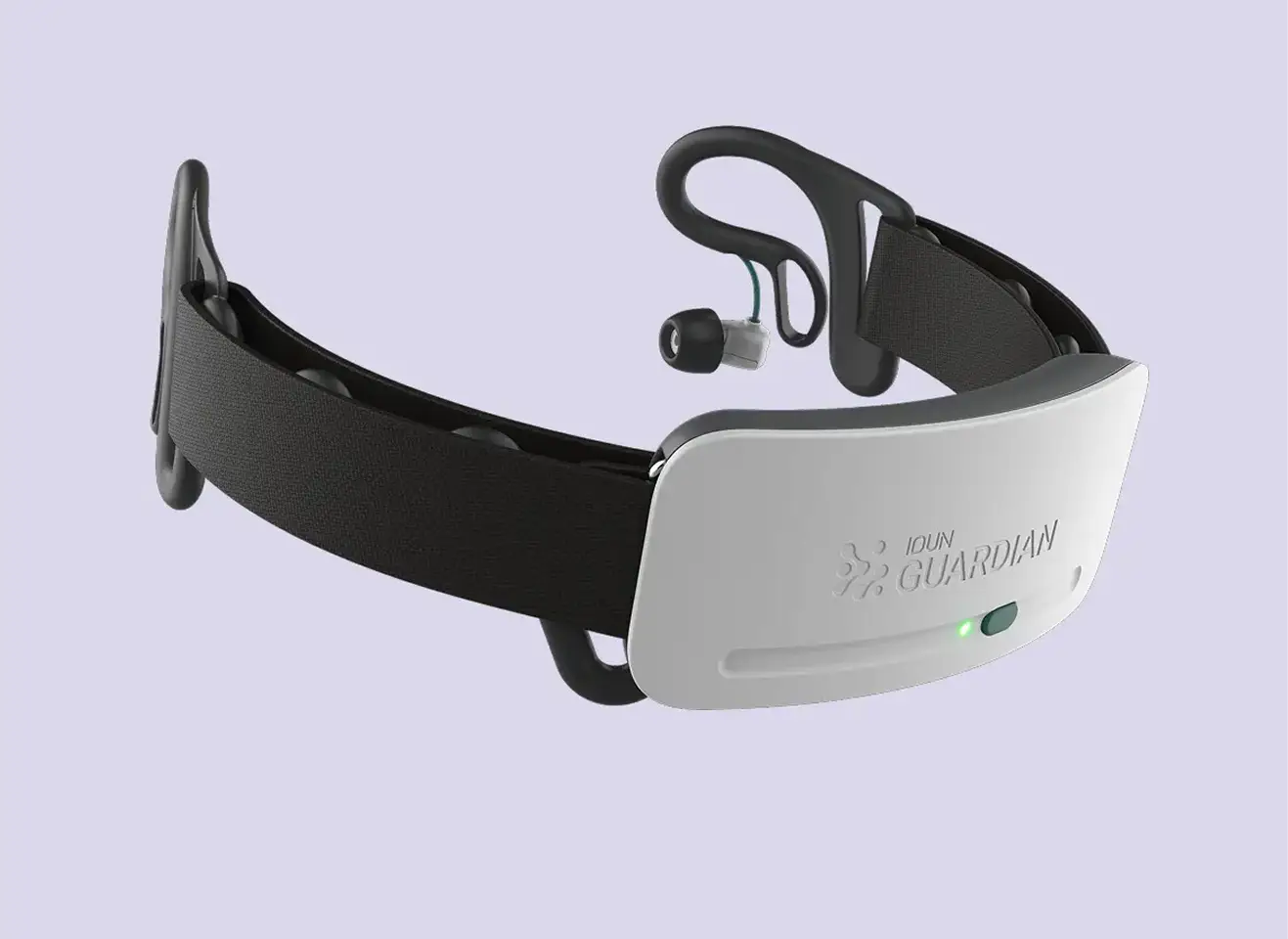
Wearables are used continuously over long periods, often in real-life environments outside clinical control.
We design for sustained comfort, durability, and effortless daily use, where material choices, form factors, and long-term wearability support improved treatment adherence and better therapeutic outcomes.
This is some text inside of a div block.
Many devices are part of a broader ecosystem, combining hardware with software and data platforms.
We design connected systems that balance the needs of patients and healthcare professionals alike, making remote use intuitive for everyday life while supporting efficient clinical oversight and decision-making.
This is some text inside of a div block.
Monitoring devices need to provide clear, continuous insight without overwhelming the user.
We design systems for both clinical and home-care settings, addressing challenges around long-term use, data clarity, and workflow integration across evolving patient monitoring solutions.
This is some text inside of a div block.
Diagnostics are increasingly becoming faster, smaller, and closer to the point of care.
We develop portable systems where performance, usability, and technical constraints must work together, making advanced technology practical and effective in real clinical settings.
This is some text inside of a div block.
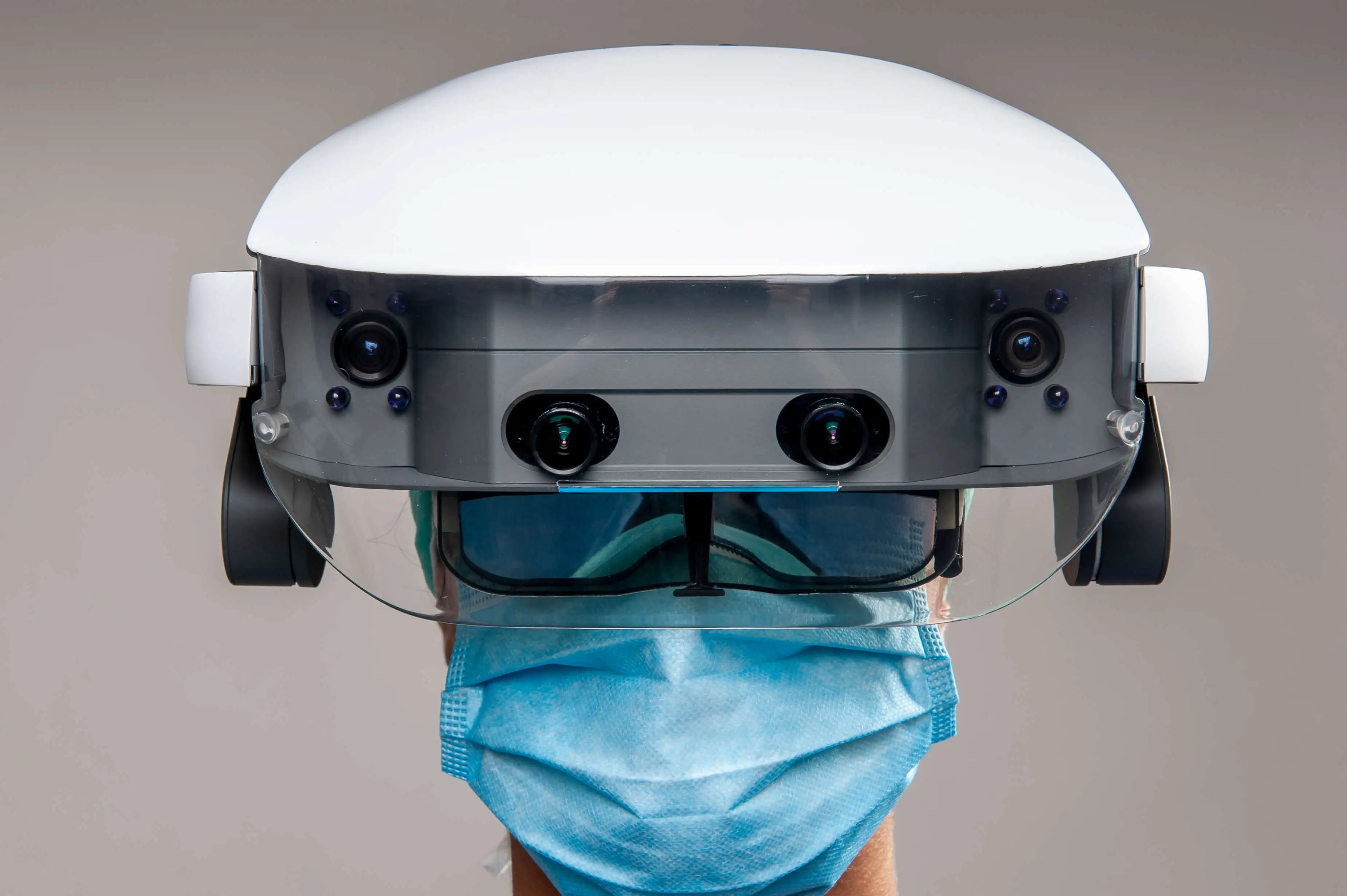
We focus on how a device adapts to the surgical team’s needs and expectations, how it fits into clinical workflows, and how interaction can be kept simple and predictable.
Our approach revolves around developing intuitive and reliable devices that minimize the chance of using errors.
Why choose us?
Medical device development requires more than technical execution. It requires orchestrated collaboration between usability, engineering, and compliance experts at every stage.
Pilotfish brings these disciplines together through a structured development process, ensuring that products evolve from concept to certification without unnecessary delays or redesigns.
We design and engineer medical devices with production in mind from the earliest sketches. Material choices, tolerances, supplier capabilities, and assembly sequences are considered during the design phase, not as an afterthought, so that the transition to manufacturing is smooth and cost-efficient.
Usability is part of the foundation
We integrate Human Factors Engineering from throughout the entire project from day one. This reduces use errors, ensures lesser development cycles and strengthens regulatory compliance.

Engineering with production in mind
Design and engineering choices are aligned with manufacturing realities, avoiding unnecessary complexity when scaling. Design for manufacturability (DFM) built into engineering reduces rework at industrialisation.
Regulatory thinking throughout the process
Requirements from MDR, FDA, and ISO standards are considered during development, not added at the end.
Continuous Verification & Validation
Verification and validation are integrated throughout development to identify issues as early as possible and ensure reliable system performance.
Have a medical device idea that needs to move forward?
Let’s turn your concept into a safe, compliant, and market-ready product.
Related projects
.webp)

What you need to know about Pilotfish in MedTech
This is some text inside of a div block.
We support a range of products, including diagnostic devices, wearables, surgical tools, and connected systems. Projects can start at different stages, from early ideas to improving existing products.
This is some text inside of a div block.
We take them into account from the beginning. Instead of treating compliance as a final step, we align design and engineering decisions with standards like MDR, FDA, and ISO throughout the process.
This is some text inside of a div block.
Yes. Most medical devices today combine hardware, firmware, and interfaces. We work across these areas to ensure everything functions together as one system.
This is some text inside of a div block.
By validating early and often. We use prototypes to test assumptions, not just to demonstrate progress. This helps avoid costly changes later.
This is some text inside of a div block.
Yes. We support the transition from prototype to manufacturing, including design for manufacturability, supplier alignment, and pilot production.
This is some text inside of a div block.
No. We also help improve existing devices, whether that means better usability, updated technology, AI-enablement or preparing for new regulatory requirements.
This is some text inside of a div block.
We work within EU MDR, FDA 510(k) and De Novo pathways, ISO 13485quality management, ISO 62366 usability engineering, IEC 62304 software lifecycle, and IEC 60601 for electrical safety. Regulatory requirements are integrated throughout development, not added as a final checklist, which reduces the risk of late-stage redesigns and supports a smoother submission process.
This is some text inside of a div block.
Yes. We work with clients targeting both the EU medical device market under MDR and the US market under FDA regulatory frameworks. Our team considers the applicable regulatory pathway from the earliest design phase to avoid costly late-stage changes.