How to Industrialise a Medical Device for Production
Industrialisation is the step where many promising medical devices fail. Turning a prototype into a scalable, compliant product requires more than engineering. This article explains what industrialisation really involves and how to approach it from the start.

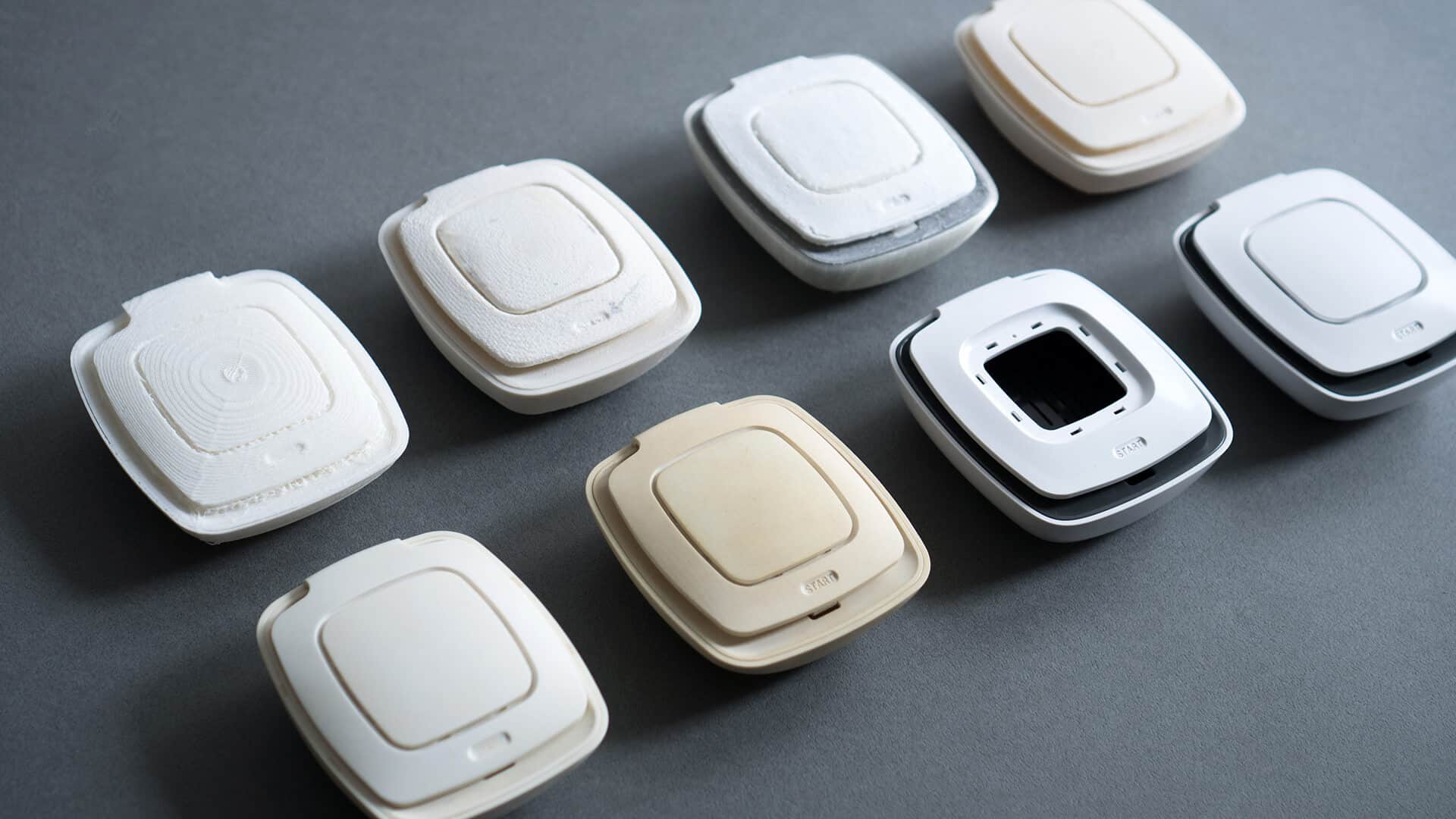
Article hightlights
• Industrialisation connects design, engineering, and manufacturing
• Early planning reduces delays and costly redesigns
• Compliance must be integrated throughout the process
• Supplier selection and documentation are critical for success
What Industrialisation Really Means
Industrialisation is not just about manufacturing.
It is the process of turning a concept or prototype into a product that can be produced reliably, consistently, and at scale.
This includes:
- optimising production processes
- aligning with regulatory requirements
- establishing quality control systems
- building a reliable supply chain
The key is timing.
If industrialisation is considered too late, it leads to delays, redesigns, and increased costs.
Why Compliance Drives the Process
In medical device development, compliance is central.
Regulations ensure that products are safe, effective, and consistent. But they also shape how products are designed and manufactured.
Compliance is not something added at the end.
It influences:
materials and components
manufacturing processes
documentation and traceability
When integrated early, it reduces risk and avoids costly changes later.
“In MedTech, compliance is not a checkpoint. It’s the framework that guides the entire development process.”
— Harm Hogenbirk, Managing Partner, Pilotfish
How Industrialisation Works in Practice
At Pilotfish, industrialisation is approached as an integrated process.
Parts and Subassemblies
The process starts with defining and producing components that meet both functional and manufacturing requirements.
These can be developed in-house or in collaboration with external partners, depending on the project.
Innovation Management
Industrialisation requires coordination across teams.
This includes managing prototyping, testing, and documentation. A strong focus is placed on maintaining accurate technical files, including Design Master Records and change management processes.
Every change is tracked and documented to ensure compliance and traceability.
Managing Suppliers and Production
A reliable supply chain is essential for scaling production.
Pilotfish works with certified suppliers, particularly in Taiwan, where a strong manufacturing ecosystem supports medical device production.
Supplier selection focuses on:
- certification and compliance
- material quality
- production capabilities
Working with the right partners ensures a smoother transition from development to production.
What This Means for Your Product
Industrialisation determines whether a product can succeed in the real world.
A well-structured process ensures that:
- products can be manufactured consistently
- quality is maintained at scale
- regulatory requirements are met
- risks are identified early
Without this, even well-designed products struggle to reach the market.
Don’t miss what’s next in product development

You may also find interesting
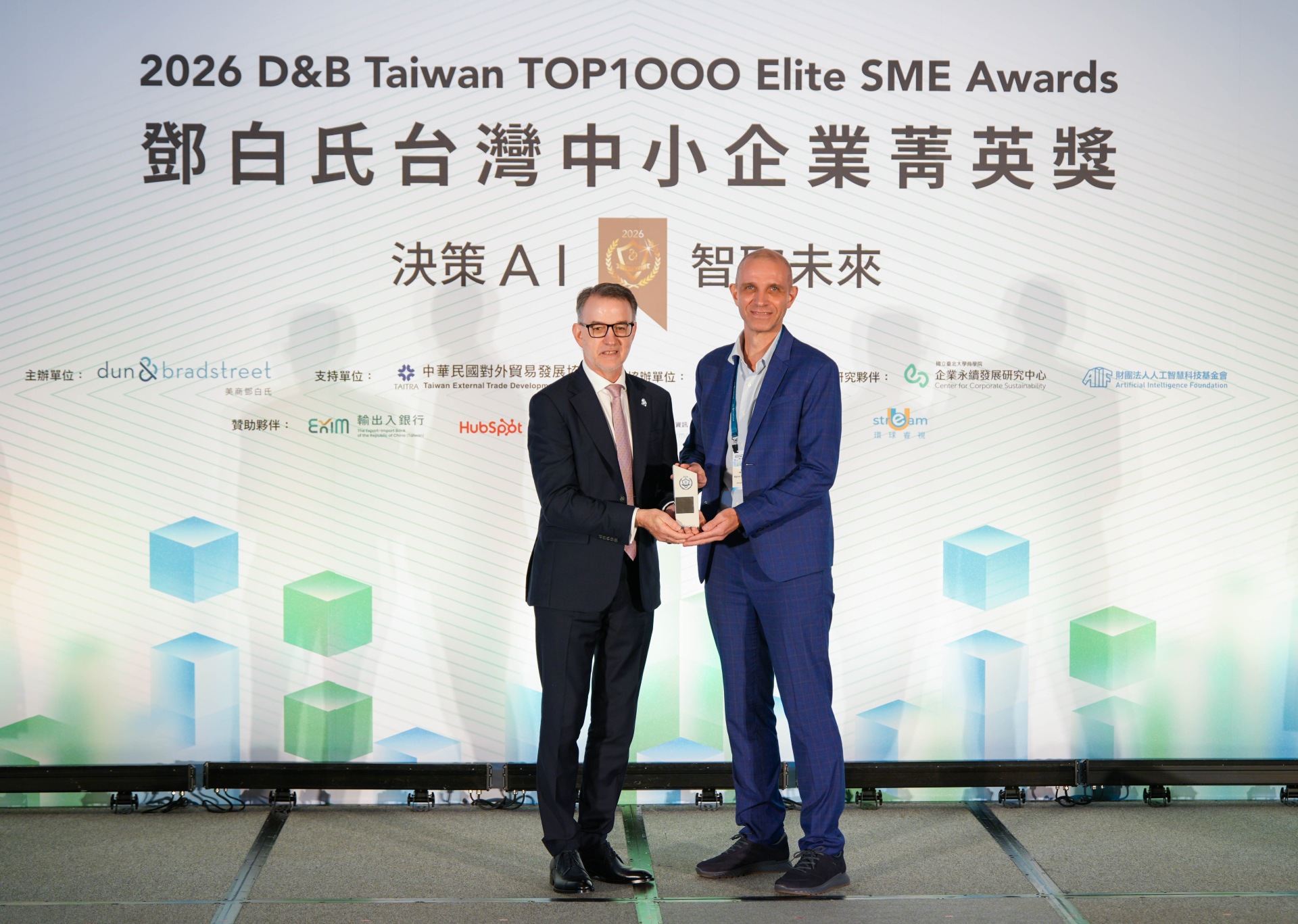
Pilotfish Inc. Earns 2026 D&B SME Elite Award
Pilotfish has been selected as one of Taiwan’s Top 1,000 SMEs in the 2026 Dun & Bradstreet SME Elite Award (鄧白氏中小企業菁英獎), recognising Pilotfish Inc. among a select group of companies demonstrating sustained business performance, international competitiveness, financial soundness and long-term development potential.
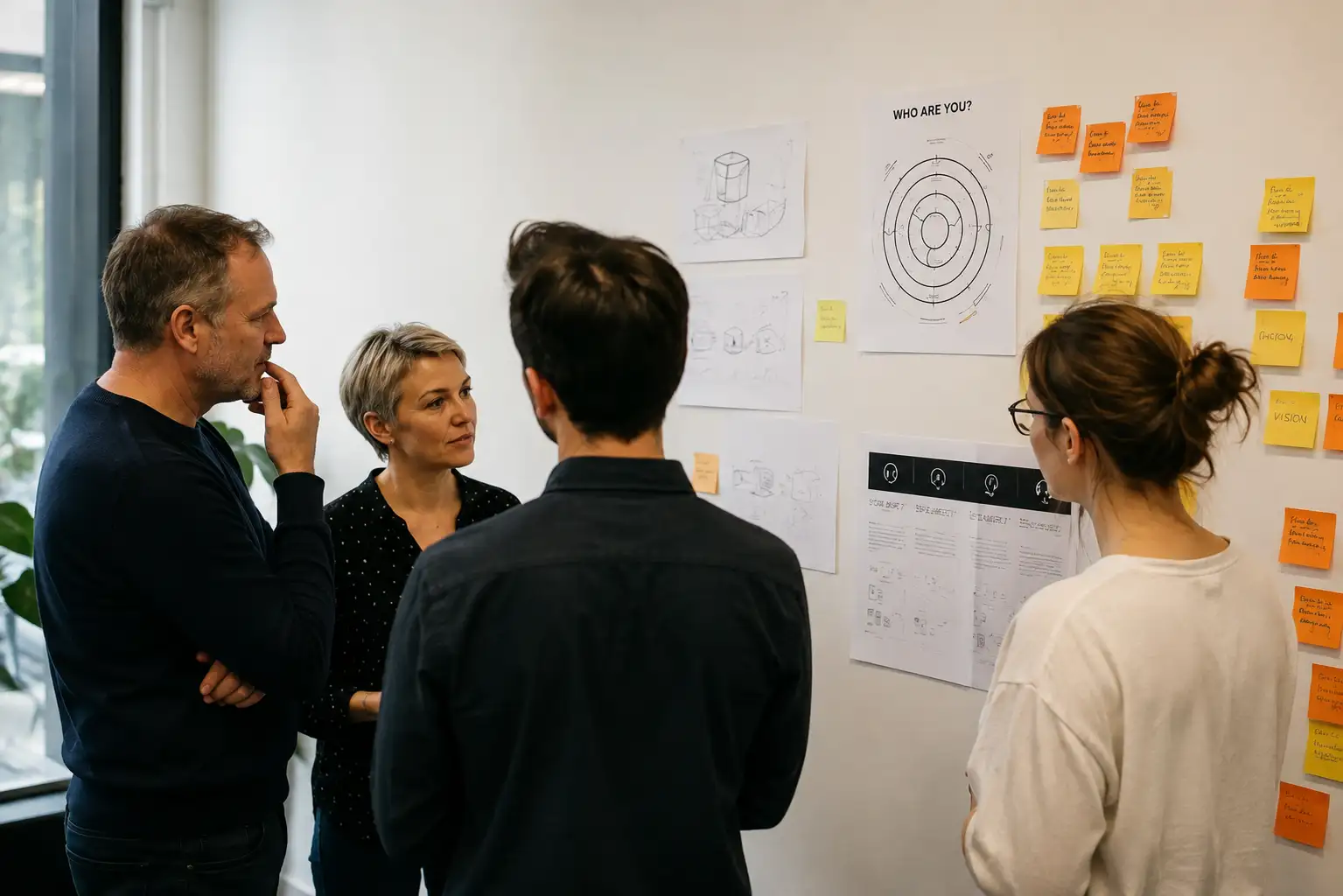
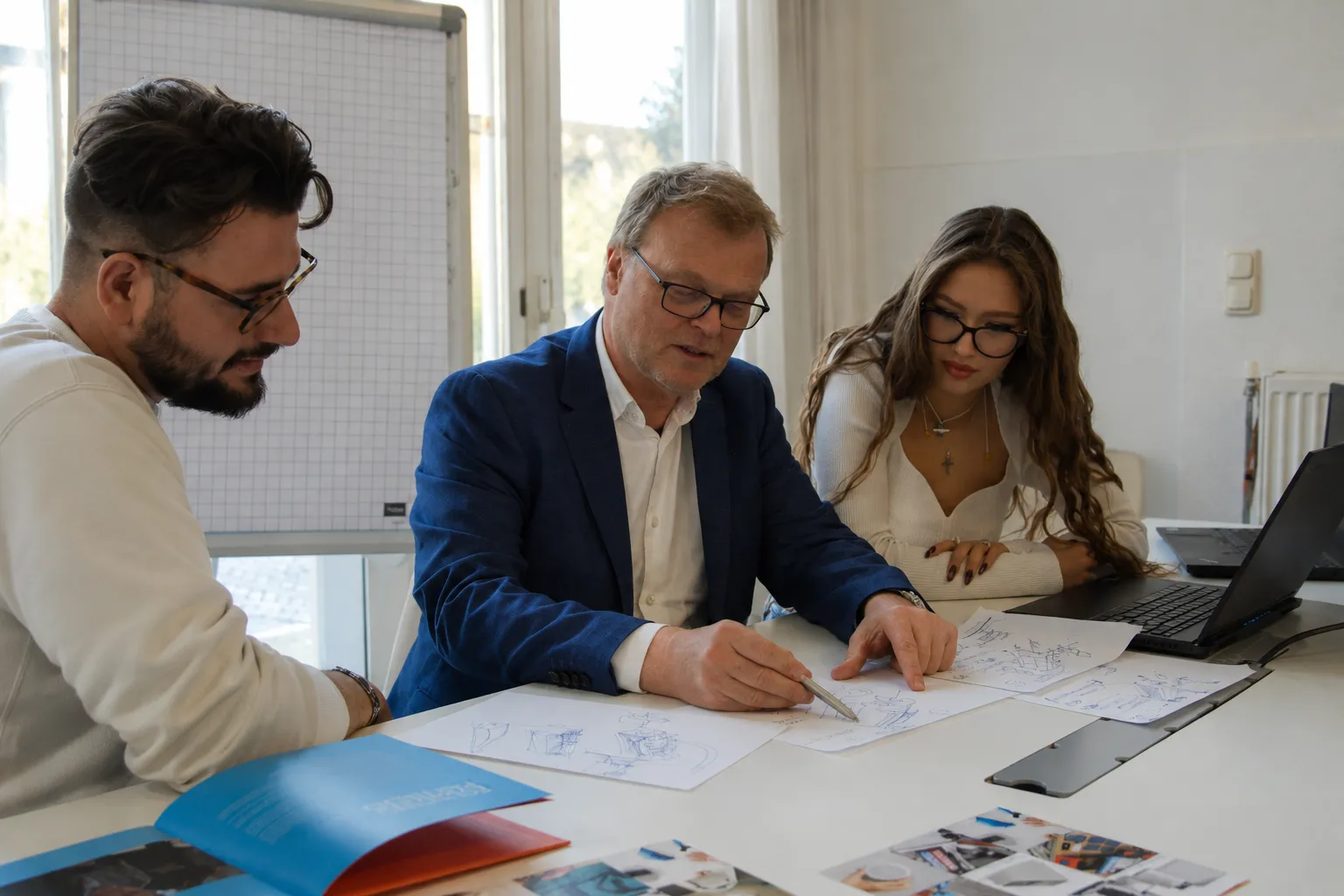
From Prototype to Production: Why an Integrated Product Development Partner Makes the Difference
Discover why successful hardware products require more than great technology. Learn how an integrated product development approach reduces risk, accelerates time-to-market, and transforms prototypes into scalable, production-ready products.
Why wait months to launch?
From concept to production, we help teams bring products to market faster - without compromising quality or compliance.
What innovators often ask us?
This is some text inside of a div block.
Delaying it until late stages, which leads to redesign and delays.
This is some text inside of a div block.
It ensures safety, consistency, and regulatory approval.
This is some text inside of a div block.
As early as possible, ideally during the design phase.
This is some text inside of a div block.
It is the process of preparing a product for reliable and scalable manufacturing.