Designing the BIOLUX HCL Control Unit: From Complexity to Award-Winning Product
Human-centric lighting systems are designed to improve well-being, but their complexity often creates usability challenges. This project explores how Pilotfish developed a control unit that translates advanced lighting technology into a simple, intuitive user experience.

Article hightlights
• Human-centric lighting requires intuitive control systems
• Complex technology must be translated into simple interaction
• Integrated design and engineering were key to success
• The product received multiple international design awards

The Challenge Behind Human-Centric Lighting
Human-centric lighting (HCL) is designed around people.
It adapts light to support well-being, productivity, and natural rhythms.
But the technology behind it is complex.
Multiple lighting scenarios, user preferences, and system configurations need to be controlled through a single interface.
The challenge is not just technical.
It is about making that complexity usable.
Turning Complexity into Simplicity
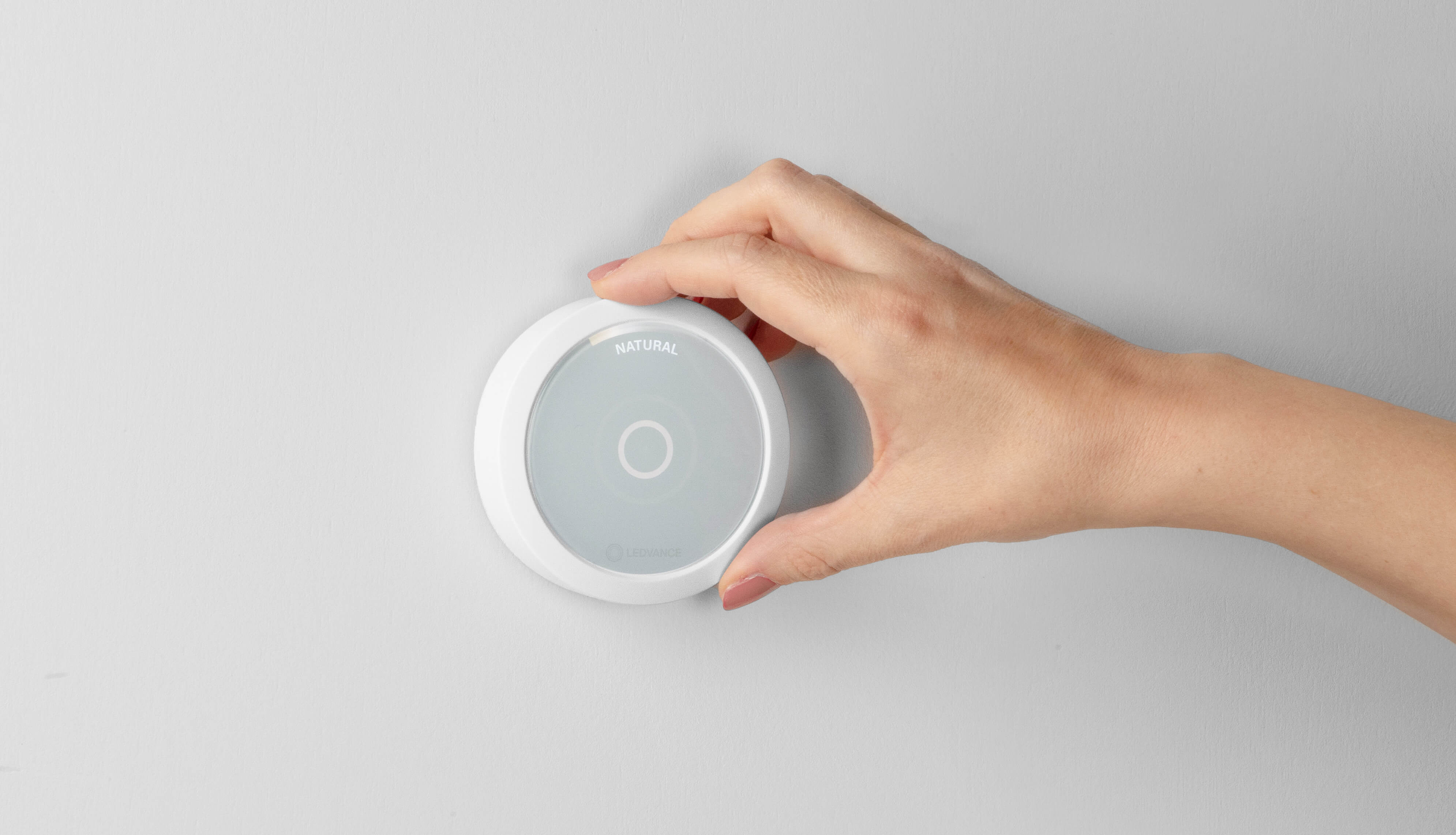
The BIOLUX control unit was designed as a wall-mounted interface for managing HCL luminaires.
The goal was clear.
Make advanced lighting systems easy to understand and operate.
This required balancing:
technical functionality
clear user interaction
visual simplicity
Every decision, from interface layout to physical interaction, needed to reduce friction.
An Integrated Development Approach
At Pilotfish, the control unit was developed as a fully integrated product.
This included:
industrial design
user interface design
electronic hardware development
mechanical engineering
production
“The complexity of the overall design was enormous. Designers, engineers, and UI specialists worked closely together to achieve a cohesive result.”
— Marc Nagel
This cross-functional approach ensured that usability was not compromised by technical constraints.
Recognition and Impact
The result was not just a functional product.
It was a product recognized for its design quality and execution.
The BIOLUX control unit received:
Red Dot Award for Product Design
German Innovation Award in Lighting Solutions
Taiwan Golden Pin Design Mark
These awards reflect more than aesthetics.
They validate the ability to translate complex systems into meaningful user experiences.
Conclusion
Designing for human-centric systems is not about adding features.
It is about making complexity accessible.
The BIOLUX control unit shows that when design and engineering are fully integrated, advanced technology can become intuitive to use.
Don’t miss what’s next in product development

You may also find interesting
Pilotfish Inc. Earns 2026 D&B SME Elite Award
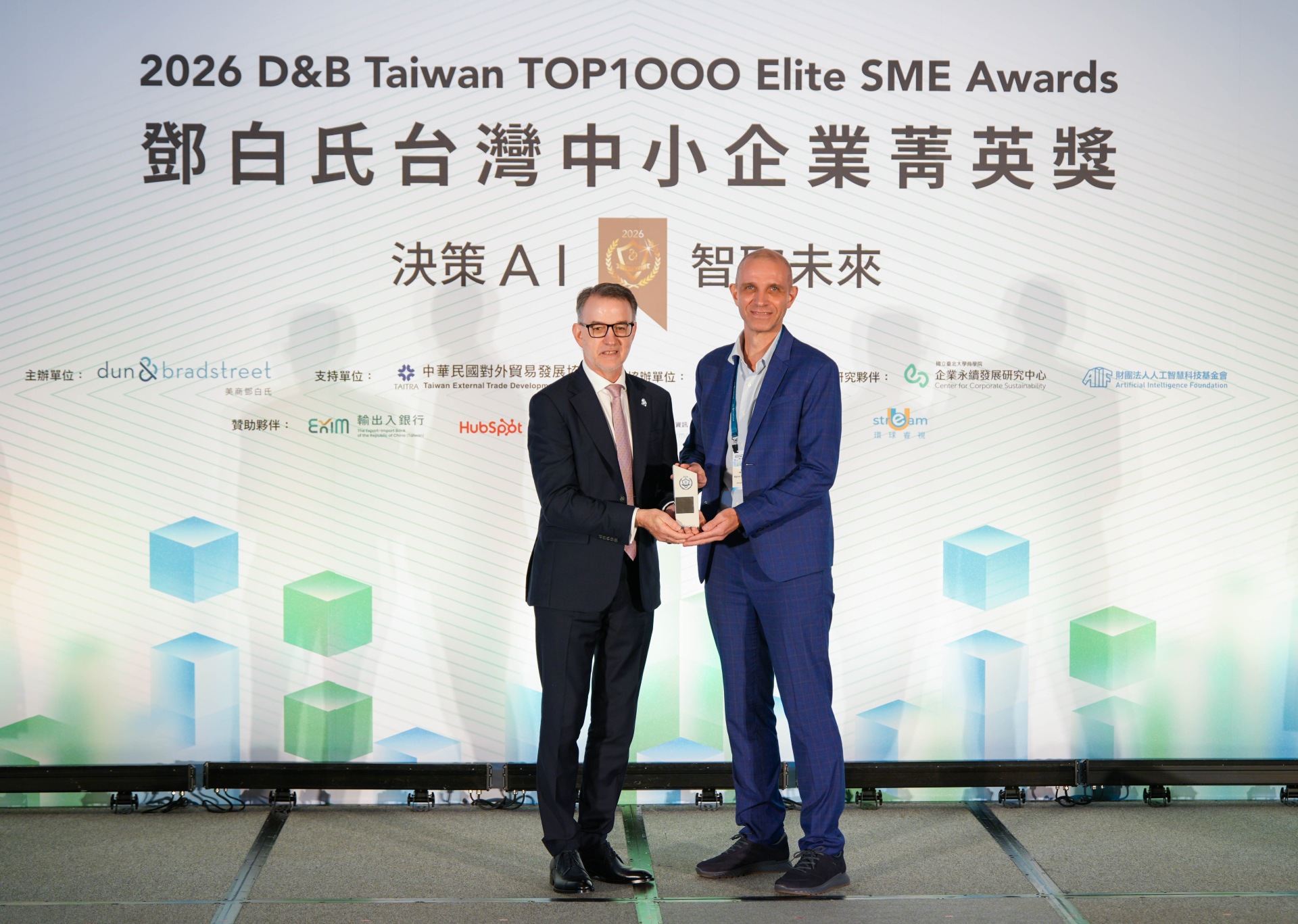
Pilotfish has been selected as one of Taiwan’s Top 1,000 SMEs in the 2026 Dun & Bradstreet SME Elite Award (鄧白氏中小企業菁英獎), recognising Pilotfish Inc. among a select group of companies demonstrating sustained business performance, international competitiveness, financial soundness and long-term development potential.
From Prototype to Production: Why an Integrated Product Development Partner Makes the Difference
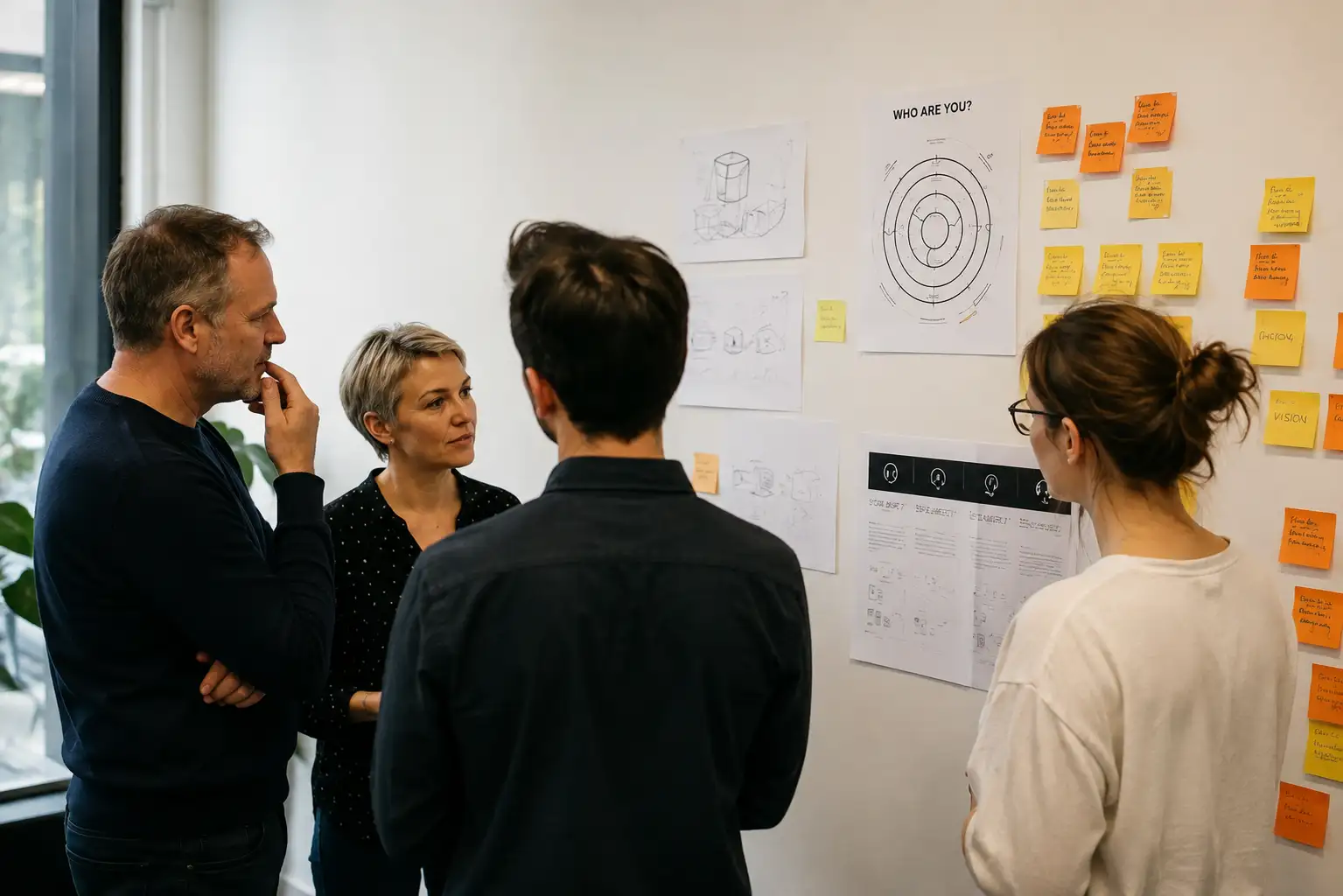
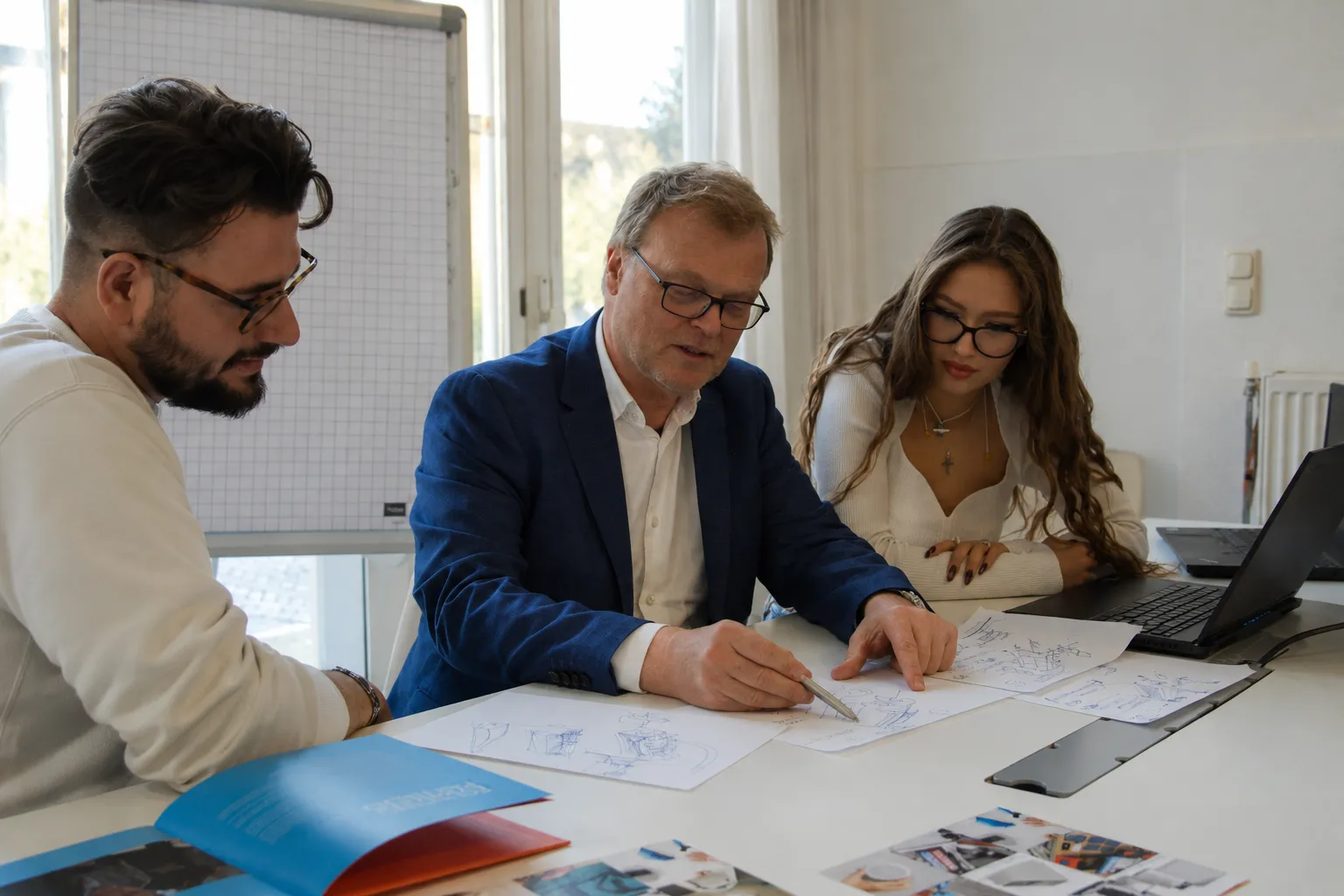
Discover why successful hardware products require more than great technology. Learn how an integrated product development approach reduces risk, accelerates time-to-market, and transforms prototypes into scalable, production-ready products.
Why wait months to launch?
From concept to production, we help teams bring products to market faster - without compromising quality or compliance.
What innovators often ask us?
This is some text inside of a div block.
It demonstrates how complex technology can be translated into intuitive products.
This is some text inside of a div block.
End-to-end development, from design to production
This is some text inside of a div block.
Making complex lighting systems easy to control and understand.
This is some text inside of a div block.
A lighting approach that adapts to human biological and psychological needs.