How to Future-Proof MedTech Products and Business Models
Future-proofing in MedTech is not just about technology. It requires a shift in how products, business models, and healthcare systems are designed. This article explores how companies can adapt to digital transformation, rethink hardware, and reduce risk to stay competitive.


Article hightlights
• Future-proofing requires more than upgrading technology
• Digital transformation remains a major challenge for MedTech companies
• Hardware is evolving into part of broader service ecosystems
• De-risking is central to long-term success in healthcare
What Future-Proofing Really Means
Future-proofing in MedTech is about building products and businesses that can adapt to change.
It involves responding to evolving technologies, shifting patient needs, and new healthcare models.
At its core, it is about resilience.
Companies that succeed are not just reacting to change. They are actively preparing for it.
The Challenge of Digital Transformation
One of the biggest drivers of change in MedTech is digitalisation.
Remote monitoring, virtual care, and connected devices are reshaping how healthcare is delivered. At the same time, many companies struggle to adapt.
A Deloitte study showed that while most MedTech leaders see technology as their biggest challenge, very few consider themselves digitally mature.
“Companies are afraid to miss out, but don’t have the knowledge or the team to find their path to digitalisation. That’s why collaboration is so important.”
— Harm Hogenbirk
Rethinking Hardware in MedTech
Medical devices remain at the core of healthcare.
But their role is changing.
Hardware is no longer the final product. It is part of a larger system that includes software, data, and services.
“Hardware is just an enabler for new business models — Platform as a Service, Software as a Service.”
— Harm Hogenbirk
This shift requires companies to think beyond individual devices and consider how their products fit into broader ecosystems.
Healthcare is moving toward prevention, home care, and improved quality of life. Devices must support these trends.
Why De-Risking Is Critical
In healthcare, risk is always present.
Developing medical devices involves technical complexity, regulatory requirements, and direct impact on patient safety.
“In health, everything is about de-risking.”
— Harm Hogenbirk
De-risking means identifying and addressing potential issues early. It ensures that products meet regulatory standards, function reliably, and are safe in real-world use.
It also allows companies to adapt more effectively to changing market conditions.
What This Means for MedTech Companies
Future-proofing is not a single decision. It is an ongoing process.
Companies need to:
- embrace digital transformation
- rethink the role of hardware
- build flexible and scalable business models
- integrate risk management into development
Those that succeed will not only keep up with change, but shape it.
Don’t miss what’s next in product development

You may also find interesting
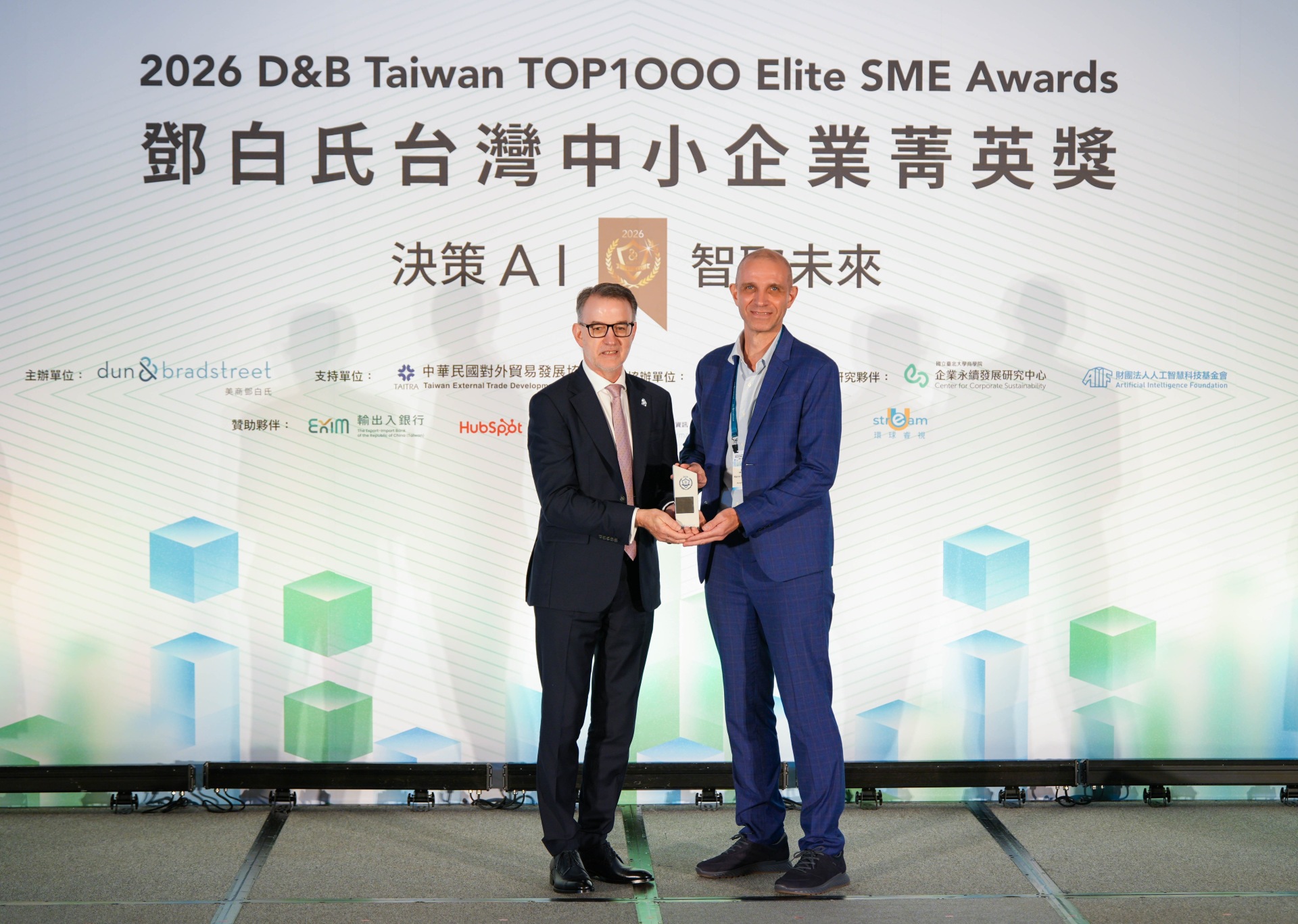
Pilotfish Inc. Earns 2026 D&B SME Elite Award
Pilotfish has been selected as one of Taiwan’s Top 1,000 SMEs in the 2026 Dun & Bradstreet SME Elite Award (鄧白氏中小企業菁英獎), recognising Pilotfish Inc. among a select group of companies demonstrating sustained business performance, international competitiveness, financial soundness and long-term development potential.

.webp)
From Prototype to Production: Why an Integrated Product Development Partner Makes the Difference
Discover why successful hardware products require more than great technology. Learn how an integrated product development approach reduces risk, accelerates time-to-market, and transforms prototypes into scalable, production-ready products.
Why wait months to launch?
From concept to production, we help teams bring products to market faster - without compromising quality or compliance.
What innovators often ask us
This is some text inside of a div block.
Because medical devices directly impact patient safety and must meet strict regulatory standards.
This is some text inside of a div block.
It is becoming part of larger ecosystems that include software and services.
This is some text inside of a div block.
Many companies lack the expertise and structure to implement it effectively.
This is some text inside of a div block.
It means designing products and strategies that can adapt to technological and market changes.