Award-Winning Design: Pilotfish Recognised for CellAED Innovation
Pilotfish has been awarded two European Product Design Awards for its work on the CellAED, a handheld personal defibrillator designed to make life-saving technology more accessible, portable, and easy to use.

Article hightlights
• Pilotfish wins two European Product Design Awards
• CellAED is the world’s first handheld personal defibrillator
• Designed for accessibility, portability, and ease of use
• Focused on enabling bystanders to respond in emergency situations
Introducing CellAED
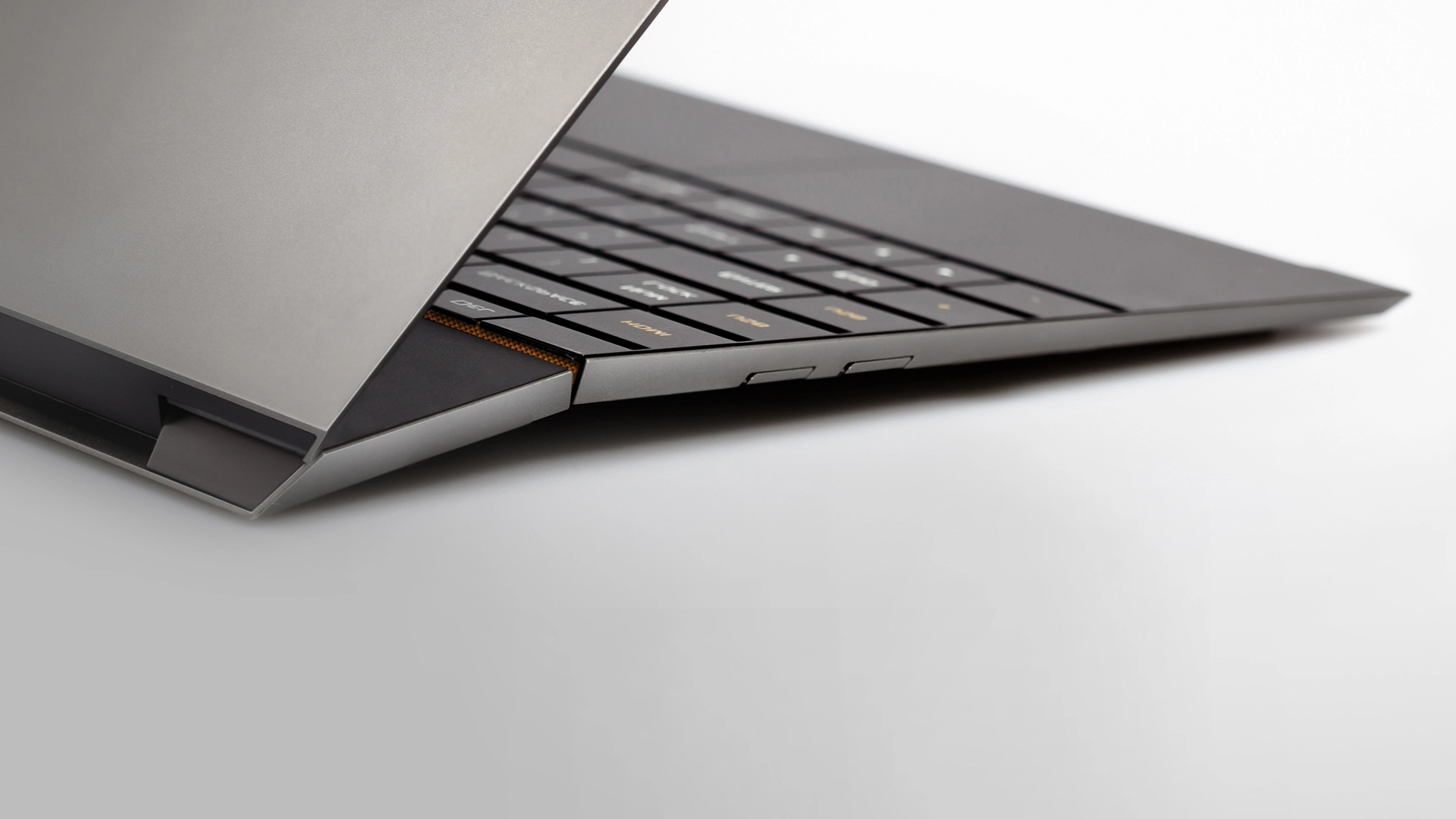
The CellAED is the world’s first handheld, smart, personal automated external defibrillator.
It is designed to bring life-saving technology out of clinical environments and into homes, workplaces, and public spaces.
By making defibrillation more accessible, the product aims to improve response times in cases of sudden cardiac arrest, where immediate action can make the difference between life and death.

Designing for Real-Life Emergencies
A key challenge in developing the CellAED was ensuring that it could be used by people with little or no medical training.
In emergency situations, stress levels are high and time is critical. The design therefore focuses on clarity, simplicity, and intuitive interaction.
Portability also plays a crucial role. The compact form allows the device to be stored in everyday environments, making it more likely to be available when needed.
The result is a product that bridges the gap between advanced medical technology and real-world usability.
“We’re honoured to have our work awarded with two European Product Design Awards. The recognition reflects our focus on creating medical products that are not only technically advanced, but also accessible and easy to use.”
— Marco Heusdens, Managing Director, Pilotfish
Recognition at the European Product Design Awards
The CellAED design has been recognised with two European Product Design Awards, highlighting its innovation and impact within the field of medical product design.
These awards acknowledge both the technical achievement and the design approach behind the product, particularly its focus on accessibility and usability.
What This Means for Medical Device Design
The success of the CellAED reflects a broader shift in MedTech.
There is increasing demand for products that move beyond clinical settings and into everyday life. This requires a strong focus on usability, accessibility, and human-centred design.
Design is no longer just about form. It plays a critical role in enabling technology to be used effectively in real-world situations.
Don’t miss what’s next in product development
You may also find interesting

Pilotfish Inc. Earns 2026 D&B SME Elite Award
Pilotfish has been selected as one of Taiwan’s Top 1,000 SMEs in the 2026 Dun & Bradstreet SME Elite Award (鄧白氏中小企業菁英獎), recognising Pilotfish Inc. among a select group of companies demonstrating sustained business performance, international competitiveness, financial soundness and long-term development potential.
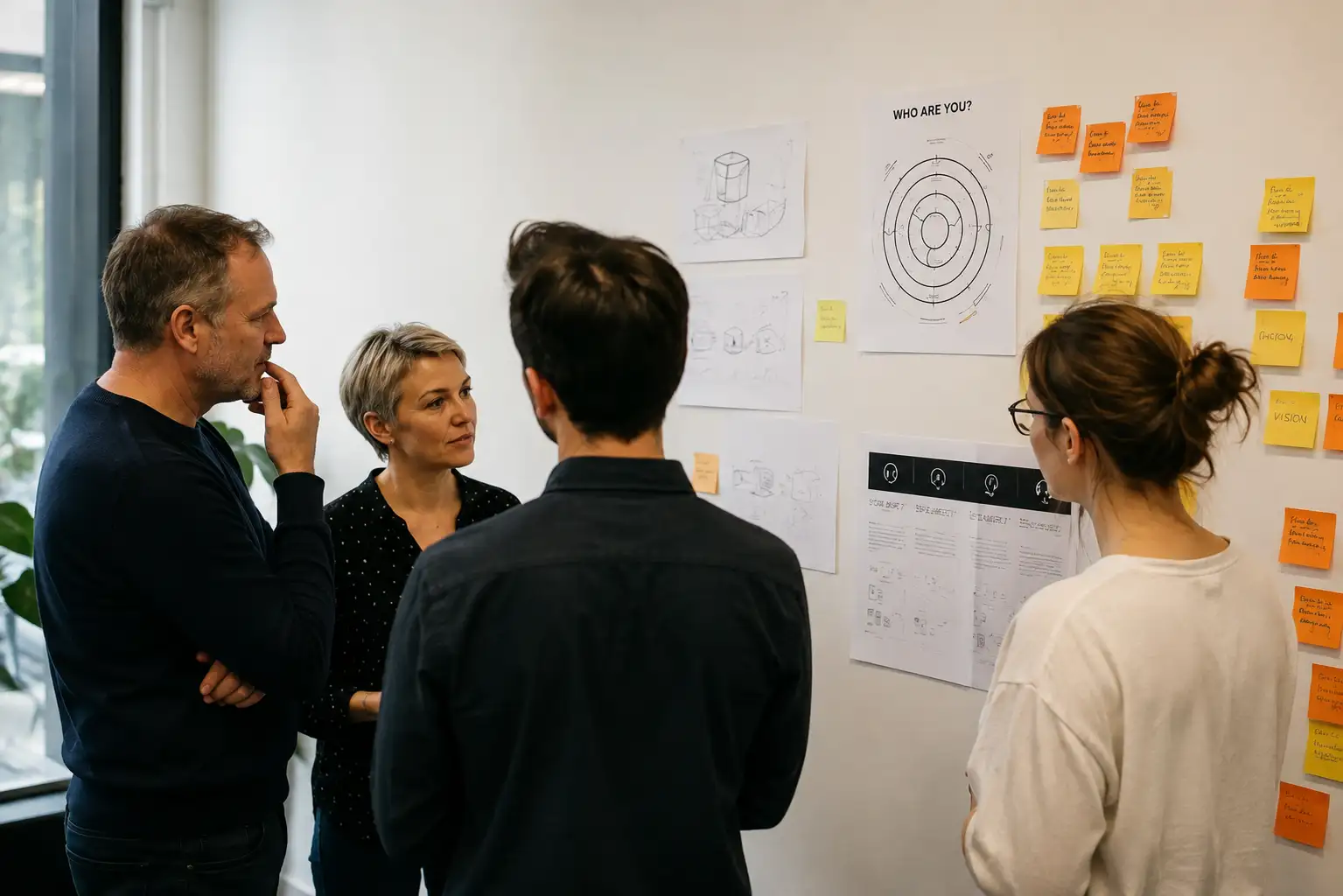

From Prototype to Production: Why an Integrated Product Development Partner Makes the Difference
Discover why successful hardware products require more than great technology. Learn how an integrated product development approach reduces risk, accelerates time-to-market, and transforms prototypes into scalable, production-ready products.
Why wait months to launch?
From concept to production, we help teams bring products to market faster - without compromising quality or compliance.
What innovators often ask us?
This is some text inside of a div block.
Pilotfish contributed to the design, focusing on usability, portability, and real-world application.
This is some text inside of a div block.
It enables faster response in cardiac emergencies, which can significantly improve survival rates.
This is some text inside of a div block.
It is more compact, portable, and designed for ease of use by non-professionals.
This is some text inside of a div block.
CellAED is a handheld, personal automated external defibrillator designed for use outside of clinical environments.