Why XR in Healthcare Isn’t Scaling (And What Actually Works)
XR has moved from experimentation to real clinical use, improving training, surgery, and therapy. Yet adoption across healthcare systems remains uneven. This article explores where XR delivers real value, why scaling is difficult, and what it takes to implement it successfully.

Article hightlights
• XR is already delivering value in specific medical applications
• Adoption breaks down at integration, not innovation
• Regulation, usability, and workflows are the real barriers
• Successful implementation requires a structured, use-case-driven approach
XR Has Arrived, But It Hasn’t Scaled
XR is no longer a future concept in healthcare.
Advances in computing, AI, and spatial technologies have made VR, AR, and MR viable tools in clinical environments. The technology works.
The problem is elsewhere.
XR is not struggling because of lack of innovation.
It is struggling because most solutions are built as isolated tools, not as integrated medical products.
Healthcare does not adopt technology because it is impressive.
It adopts it when it fits into existing systems, workflows, and constraints.
Where XR Actually Works Today
XR delivers the most value in environments where complexity is controlled and integration requirements are limited.
Training and Education
This is where XR has scaled the fastest.
Immersive simulations allow clinicians to practice procedures without risk, improving skill retention and decision-making.
Institutions like Stanford Medicine and Mayo Clinic use XR to enhance training because it operates outside real-time clinical pressure.
Surgical Support
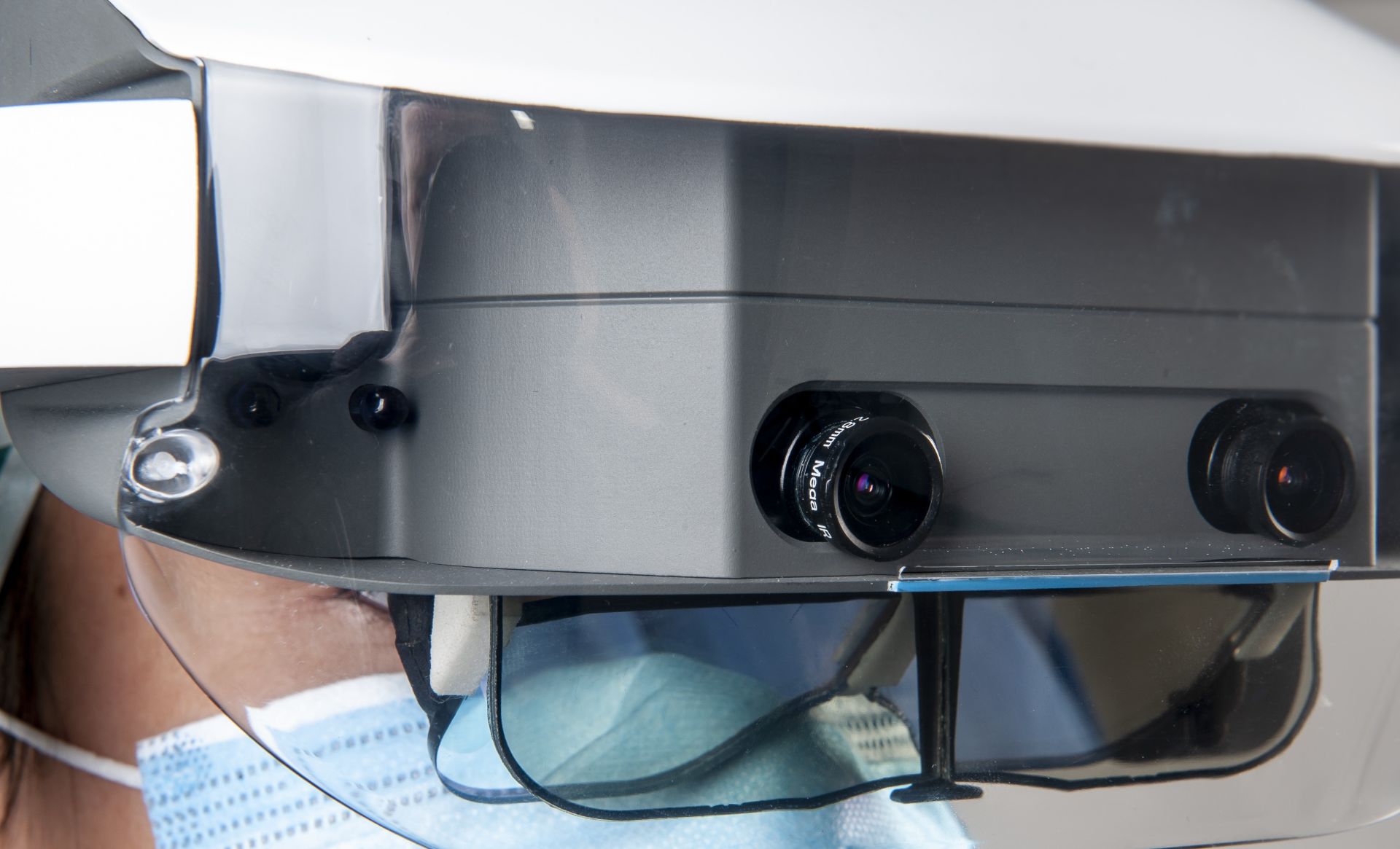
AR overlays critical data directly into the surgeon’s field of view.
The value is clear, but adoption depends heavily on precision, reliability, and seamless integration into existing workflows. Even small usability issues can break trust.
Rehabilitation and Therapy
XR performs well in patient-facing applications where engagement is key.
Gamified environments improve adherence, particularly in rehabilitation and neurological recovery.
Mental Health
Controlled virtual environments enable exposure therapy and behavioral treatment in ways that are difficult to replicate physically.
Why Adoption Breaks Down
If the value is clear, why isn’t XR scaling faster?
Because healthcare is not a technology-first environment.
Integration Into Clinical Workflows
Most XR solutions fail at the point of use.
They require changes in workflow, additional training, or cognitive effort. In high-pressure environments, that is enough to block adoption.
Usability and Ergonomics
Devices are often not designed for long-term clinical use.
Weight, comfort, hygiene, and interaction design become critical factors. If a device is even slightly inconvenient, it will not be used.
Regulatory Uncertainty
XR sits between categories.
It is not always clearly defined as a medical device, which creates challenges for certification and approval.
Cost and ROI
The value of XR is often long-term and indirect.
Without clear metrics for efficiency or outcome improvement, investment decisions are delayed.
Data and Security
Handling patient data within XR systems introduces additional complexity, particularly under regulations such as GDPR.
What Successful Implementation Looks Like
XR adoption works when it is treated as part of a system, not a standalone tool.
Start With a Real Problem
Successful XR projects begin with a clearly defined clinical need.
Not with the technology.
Design for the Environment
Clinical environments are complex, fast, and constrained.
Solutions must reduce friction, not introduce it.
Integrate Early
XR must connect with existing systems such as electronic health records, imaging data, and clinical workflows.
Validate in Context
Testing must happen in real or simulated environments, not just in controlled demos.
Address Compliance From the Start
Regulatory strategy cannot be added later. It must be built into development.
The Next Phase of XR in Healthcare
XR will continue to evolve alongside AI, robotics, and connected health systems.
The next phase is not about better visuals or more immersive experiences.
It is about integration.
Future developments will likely focus on:
- lighter, clinically viable hardware
- AI-enhanced, context-aware interfaces
- seamless integration with healthcare systems
- personalized treatment and therapy applications
The winners in this space will not be those who build the most advanced XR systems.
They will be the ones who make XR usable, reliable, and embedded in real healthcare processes.
Conclusion
XR is already transforming parts of healthcare.
But transformation at scale requires more than technology.
It requires alignment with how healthcare actually works.
Organizations that understand this will move beyond experimentation and start delivering real impact.
Don’t miss what’s next in product development
You may also find interesting

Pilotfish Inc. Earns 2026 D&B SME Elite Award
Pilotfish has been selected as one of Taiwan’s Top 1,000 SMEs in the 2026 Dun & Bradstreet SME Elite Award (鄧白氏中小企業菁英獎), recognising Pilotfish Inc. among a select group of companies demonstrating sustained business performance, international competitiveness, financial soundness and long-term development potential.


From Prototype to Production: Why an Integrated Product Development Partner Makes the Difference
Discover why successful hardware products require more than great technology. Learn how an integrated product development approach reduces risk, accelerates time-to-market, and transforms prototypes into scalable, production-ready products.
Why wait months to launch?
From concept to production, we help teams bring products to market faster - without compromising quality or compliance.
What innovators often ask us?
This is some text inside of a div block.
Focusing on technology instead of real clinical needs.
This is some text inside of a div block.
Because of integration challenges, usability issues, and regulatory complexity.
This is some text inside of a div block.
Training, rehabilitation, and controlled clinical environments.
This is some text inside of a div block.
An umbrella term for VR, AR, and MR technologies used in medical applications.