Designing for a Circular Future: How Sustainability Shapes Product Development
Sustainability is no longer a future ambition. With new EU regulations such as the Digital Product Passport and Ecodesign requirements, circularity is becoming a core part of product development. This article explores how Pilotfish integrates circular design into every stage of the process.

Article hightlights
• EU regulations are pushing companies toward circular product design
• Sustainability must be integrated from the earliest stages of development
• Circularity impacts materials, architecture, and business models
• Design decisions today determine long-term environmental impact
Why Circular Design Matters Now
Sustainability and circularity have moved from optional considerations to core requirements.
New European frameworks such as the Corporate Sustainability Reporting Directive, the Digital Product Passport, and Ecodesign regulations are reshaping how products are designed, manufactured, and used.
These frameworks require companies to understand and reduce the environmental impact of their products across the entire lifecycle.
This shift is not only about compliance.
It is changing how innovation itself is approached.
From Regulation to Opportunity
Regulation often appears as a constraint, but it can also drive better design decisions.
The Digital Product Passport will require companies to track materials, components, and environmental impact. Right to Repair initiatives are pushing for longer product lifespans and easier maintenance.
Together, these changes encourage:
- better material choices
- more durable product architecture
- improved transparency across the value chain
Companies that address these requirements early can reduce risk and create more competitive products.
“Sustainability is no longer a separate layer in product development. It is becoming a core design requirement that influences every decision from concept to production.”
— Harm Hogenbirk, Managing Partner, Pilotfish
Embedding Circularity in Product Development
At Pilotfish, circularity is integrated into the full development process.
Scoping
Sustainability considerations begin at the earliest stage. Opportunities to reduce material use, rethink product architecture, and explore alternative business models are identified early.
Product Architecture
Material selection and lifecycle thinking shape the product from the start. Modular design and durability are prioritized to extend product lifespan.
Concept and Design
User behaviour is considered alongside sustainability goals. Products are designed to be intuitive, efficient, and aligned with long-term use.
Engineering and Manufacturing
Design decisions are translated into manufacturable solutions. Repairability, material efficiency, and realistic production methods are integrated early to avoid costly redesigns.
Production and Lifecycle
Circular principles extend beyond manufacturing. Supplier selection, reuse strategies, and lifecycle monitoring ensure that sustainability continues after the product is launched.
Rethinking Business Models
Circularity is not only a design challenge. It also affects how products are used and sold.
Traditional ownership models are being replaced by alternatives such as subscription, leasing, and pay-per-use.
These approaches extend product lifecycles, reduce waste, and create new revenue streams.
They also require products to be designed differently, with durability, serviceability, and upgradeability in mind.
What This Means for Innovation
The shift toward circular design is changing expectations across industries.
Products must now balance performance, usability, sustainability, and compliance from the start.
This requires a more integrated approach to development, where design, engineering, and business strategy are closely connected.
The result is a new standard for innovation.
Not just creating products that work, but creating products that last.
Don’t miss what’s next in product development
You may also find interesting
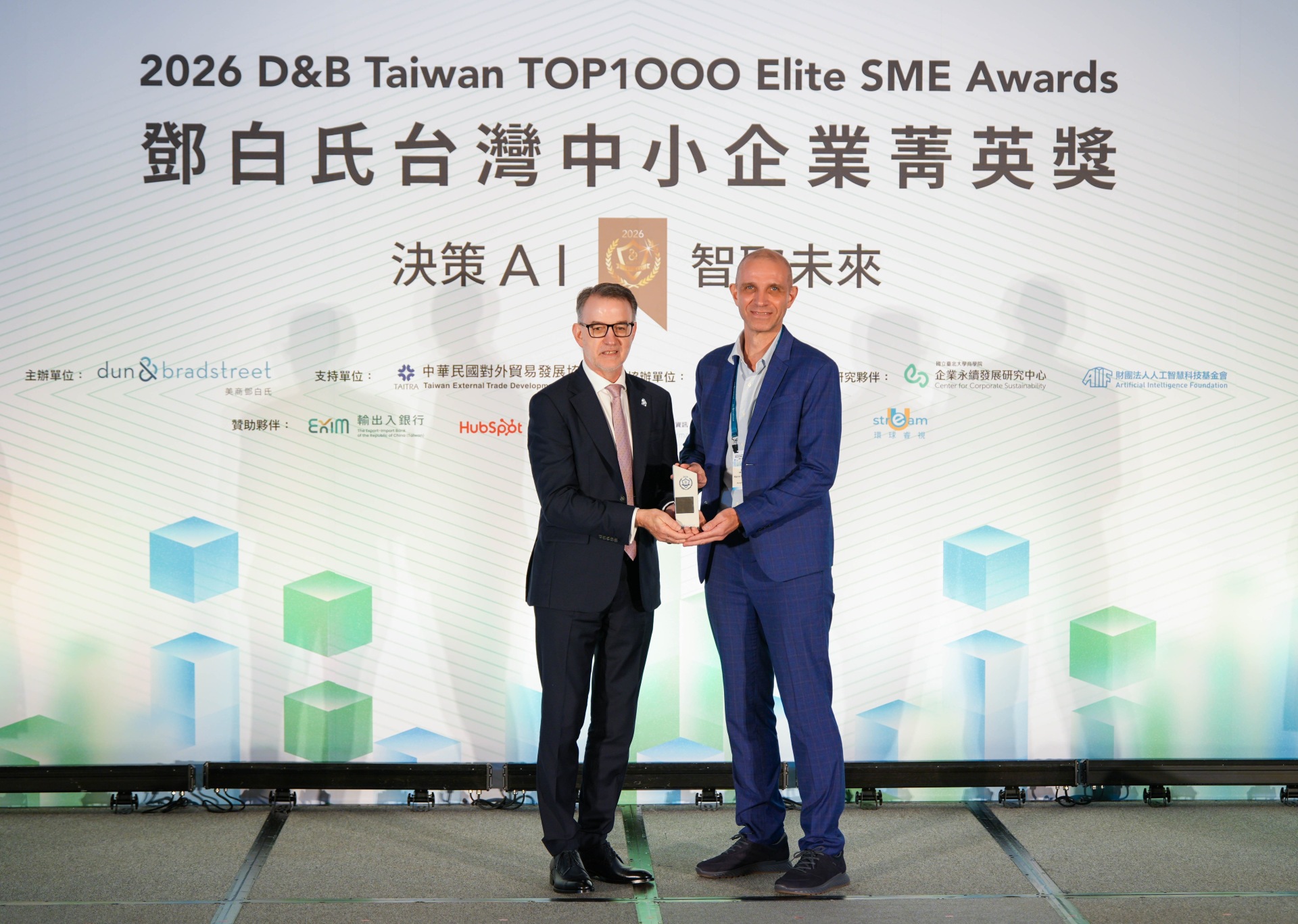
Pilotfish Inc. Earns 2026 D&B SME Elite Award
Pilotfish has been selected as one of Taiwan’s Top 1,000 SMEs in the 2026 Dun & Bradstreet SME Elite Award (鄧白氏中小企業菁英獎), recognising Pilotfish Inc. among a select group of companies demonstrating sustained business performance, international competitiveness, financial soundness and long-term development potential.
.webp)
From Prototype to Production: Why an Integrated Product Development Partner Makes the Difference
Discover why successful hardware products require more than great technology. Learn how an integrated product development approach reduces risk, accelerates time-to-market, and transforms prototypes into scalable, production-ready products.
Why wait months to launch?
From concept to production, we help teams bring products to market faster - without compromising quality or compliance.
What innovators often ask us
This is some text inside of a div block.
It is an EU initiative that requires companies to track and share data about a product’s materials and environmental impact.
This is some text inside of a div block.
It influences material choices, product architecture, manufacturing, and business models.
This is some text inside of a div block.
New regulations and environmental concerns are pushing companies to reduce the impact of their products.
This is some text inside of a div block.
It is an approach that focuses on reducing waste and extending product lifecycles through reuse, repair, and sustainable materials.