Product Development That Works: Lessons from Two Days of Real-World Practice
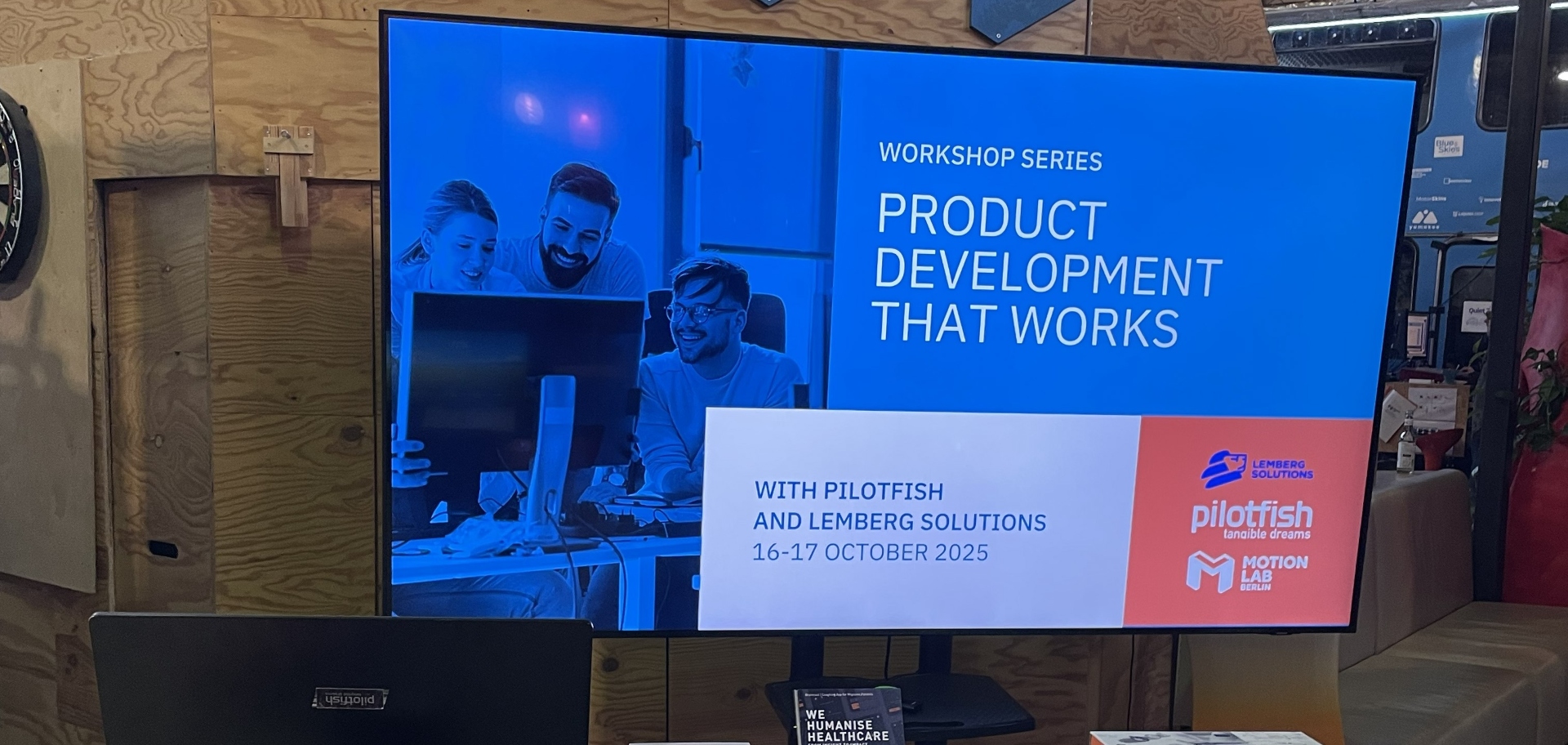
Pilotfish, together with Lemberg Solutions and MotionLab.Berlin, hosted a two-day workshop exploring what it really takes to bring hardware products from idea to market. This article shares key lessons from the sessions, from human-centered design to scaling production.

Article hightlights
• Two-day workshop focused on real-world product development challenges
• Participants explored design, usability, and manufacturing risks
• Sessions covered human factors, prototyping, and scaling hardware
• Insights based on real projects, not theory
Two days of hard-earned product development wisdom
On October 16 and 17, Pilotfish partnered with Lemberg Solutions and MotionLab.Berlin to host Product Development That Works, a two-day workshop series supporting Berlin’s growing hardware development and product innovation ecosystem. The event brought together startups, engineers, founders, and makers navigating the full journey from idea validation to prototyping, development, and mass manufacturing.
Throughout the event, participants explored what drives a successful product and what commonly causes promising projects to fail. Pilotfish speakers Maiya Jensen, Daniel László-Deli, and Maeva Schaller shared practical insights from real projects, giving young teams the tools to de-risk development and build products that work in real-world conditions.
Designing for humans
Maiya Jensen, Senior Industrial Designer at Pilotfish, opened the series with an interactive session, Hardware for Humans. Through hands-on exercises, participants explored how human-centered design influences desirability, usability, and long-term user satisfaction. By building and testing simple wearables, teams experienced how early design decisions directly impact comfort, adoption, and product success.
🎥 Watch Maiya’s workshop here:
Integrating human factors into the product development process
In his session, Human Factor Engineering Integration in Product Development, Daniel László-Deli, Senior Innovation Manager at Pilotfish, walked participants through the most common usability pitfalls that slow down or derail development. Using examples from complex hardware projects, Daniel demonstrated how structured Human Factors methods can align design, engineering, and compliance. This approach helps teams reduce risk, improve user experience, and create intuitive products built for real-world use.
🎥 Watch Daniel’s workshop here:
Avoiding scale-up pitfalls in hardware development
On the second day, Maeva Schaller, Head of Operations EU at Pilotfish, led a dynamic workshop focused on avoiding failures during product scale-up. In When Everything Falls into Pitfalls: From Prototypes to Manufacturing, Maeva used an unexpected real-life example to help participants spot operational, manufacturing, and supply chain risks that often emerge during growth. She introduced core frameworks, including Design for Manufacturing, supplier selection, DFMEA, and quality control planning, providing teams with practical tools for smooth and efficient hardware production.
🎥 Watch Maeva’s workshop here:
From idea validation to mass manufacturing
The event concluded with a joint panel discussion, moderated by Maeva and featuring Marc Nagel from Pilotfish as well as Lou Dutko and Pavlo Matiieshyn from Lemberg Solutions. The conversation dug into how design, engineering, software, and operations must connect to take a project from early feasibility to large-scale manufacturing. Panelists shared real-world lessons on working efficiently across disciplines and building products that scale without increasing risk.
🎥 Watch the full panel discussion here.
Real experience shared with Berlin’s startup community
What made Product Development That Works truly valuable was the transparency from both Pilotfish and Lemberg Solutions. Instead of theory, both teams shared real project experience, practical tools, and lessons learned from years of hardware and product development. This collective knowledge now helps startups and innovators across Berlin navigate the product journey more smoothly, avoiding common pitfalls and building stronger products.

Don’t miss what’s next in product development
You may also find interesting
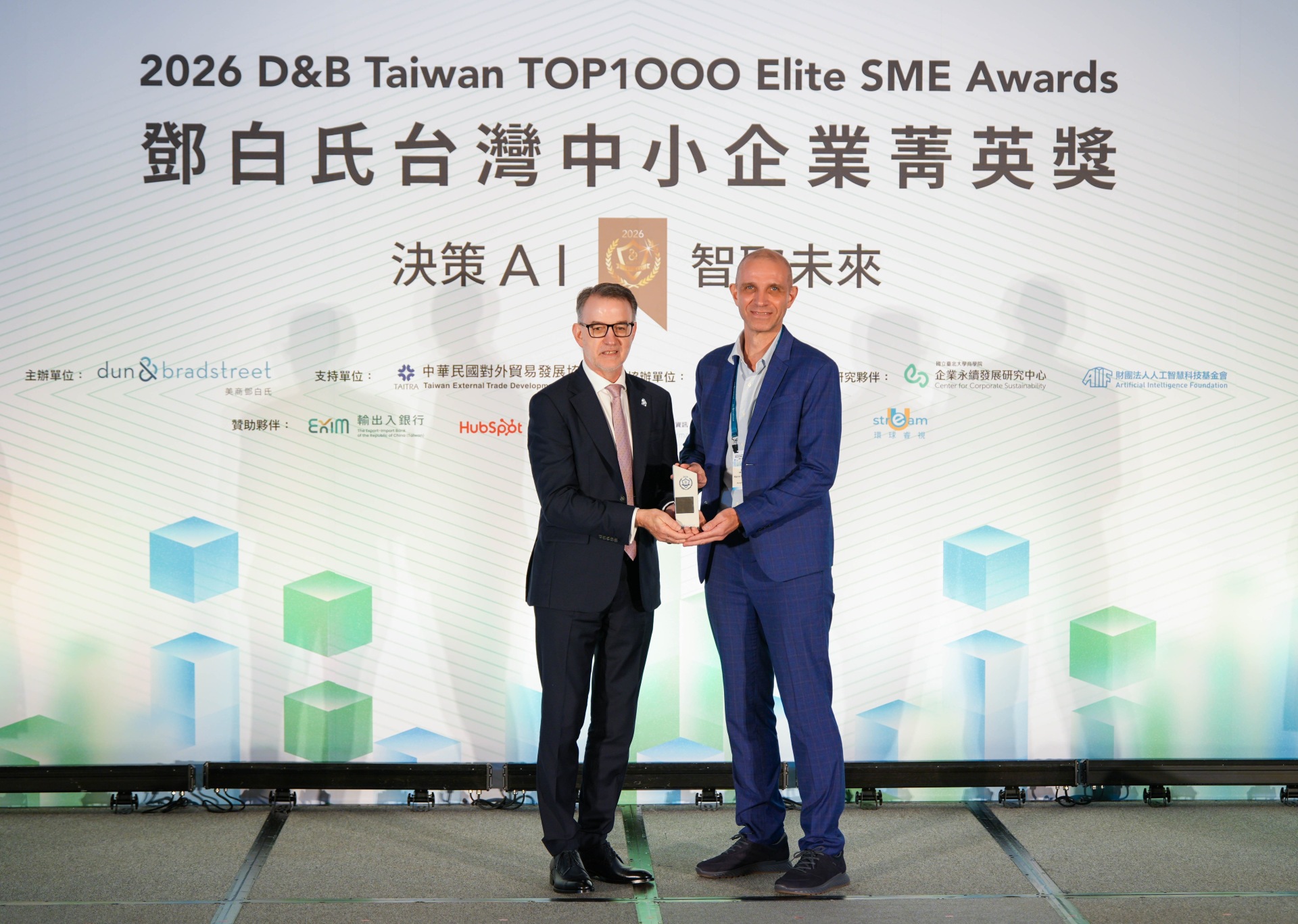
Pilotfish Inc. Earns 2026 D&B SME Elite Award
Pilotfish has been selected as one of Taiwan’s Top 1,000 SMEs in the 2026 Dun & Bradstreet SME Elite Award (鄧白氏中小企業菁英獎), recognising Pilotfish Inc. among a select group of companies demonstrating sustained business performance, international competitiveness, financial soundness and long-term development potential.
.webp)
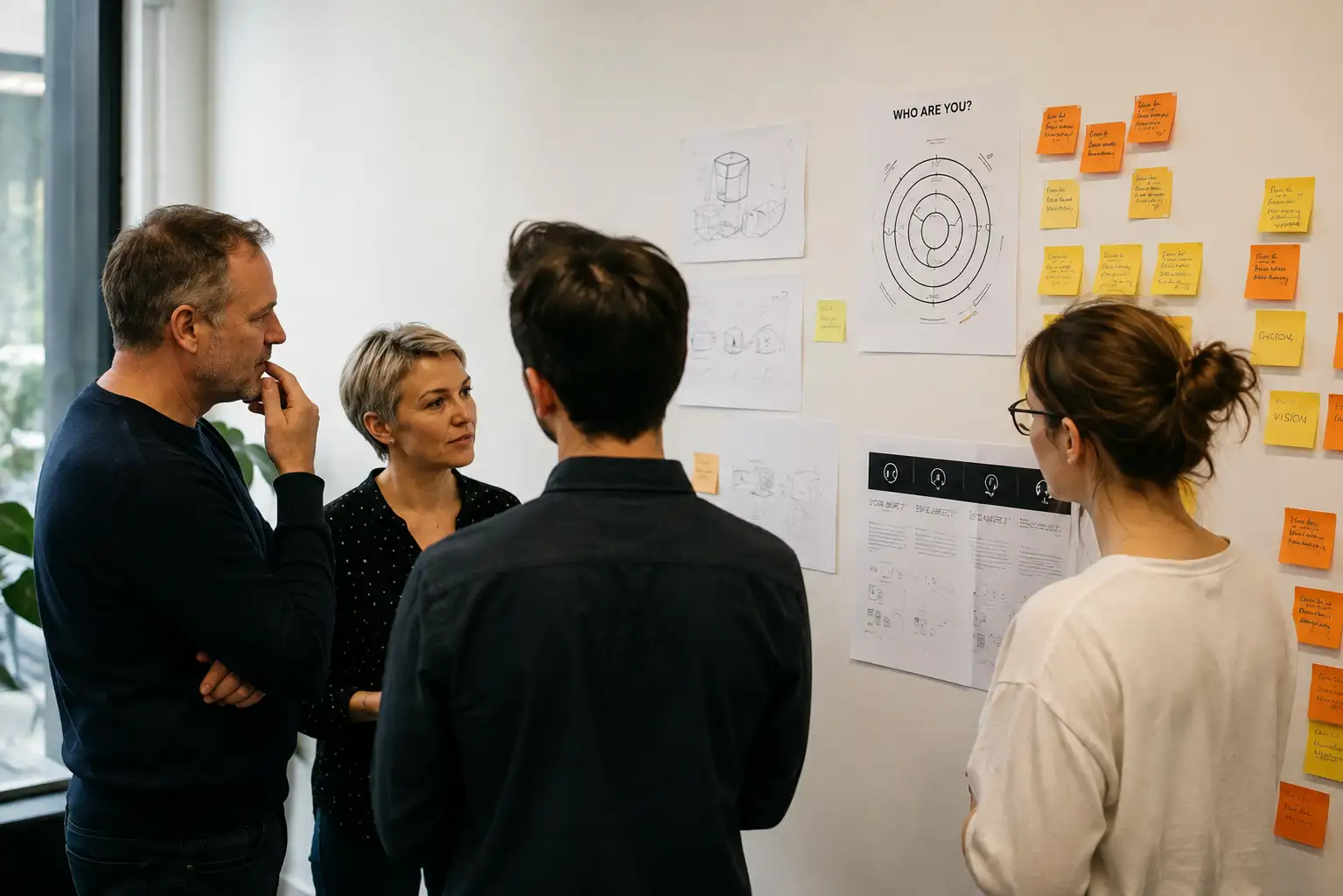
From Prototype to Production: Why an Integrated Product Development Partner Makes the Difference
Discover why successful hardware products require more than great technology. Learn how an integrated product development approach reduces risk, accelerates time-to-market, and transforms prototypes into scalable, production-ready products.
Why wait months to launch?
From concept to production, we help teams bring products to market faster - without compromising quality or compliance.
What innovators often ask us
This is some text inside of a div block.
Understanding real-world challenges helps teams avoid common mistakes and build more successful products.
This is some text inside of a div block.
Human-centered design, human factors engineering, prototyping, and manufacturing scale-up.
This is some text inside of a div block.
Startups, engineers, founders, and makers from Berlin’s product development ecosystem.
This is some text inside of a div block.
To help startups and innovators understand how to develop hardware products from idea to manufacturing.