What ISO 13485 Really Means for Medical Device Development
ISO 13485 certification is often mentioned in medical device development, but what does it actually mean in practice? This article explains how Pilotfish applies it across the full product lifecycle to deliver safe and user-focused solutions


Article hightlights
• ISO 13485 ensures structured quality management in MedTech
• Risk management and usability are integrated into development
• Certification supports compliance with global regulations
• Focus is on delivering safe and user-friendly medical devices
What ISO 13485 Means
ISO 13485 is an international standard for quality management systems in the medical device industry.
It ensures that products are developed and manufactured in a controlled, traceable, and consistent way.
For companies working in MedTech, it is a key requirement for meeting regulatory standards and bringing products to market.
From Certification to Real Practice
Certification alone does not create better products.
What matters is how it is applied.
At Pilotfish, ISO 13485 is integrated into the entire product development process, from early design decisions to manufacturing and validation.
It connects design, engineering, industrialisation, and production into one structured system.
“Certification is not just about compliance. It’s about building a process that consistently delivers safe and reliable products.”
— Marc Nagel, Managing Director, Pilotfish.
Integrating Risk and Usability
Two critical elements of ISO 13485 are risk management and human factors.
Risk management, based on ISO 14971, ensures that potential hazards are identified and addressed early.
Human factors engineering, guided by IEC 62366, focuses on how users interact with the product.
Together, they ensure that devices are not only technically functional, but also safe and intuitive in real-world use.
What This Means for Your Product
In practice, ISO 13485 certification means reduced risk during development and greater confidence at every stage.
It ensures that:
design decisions are documented and traceable
risks are identified and mitigated early
products meet regulatory requirements
users can interact with devices safely and effectively
The result is not just a compliant product, but a product that works in real-world healthcare environments.
Don’t miss what’s next in product development
You may also find interesting
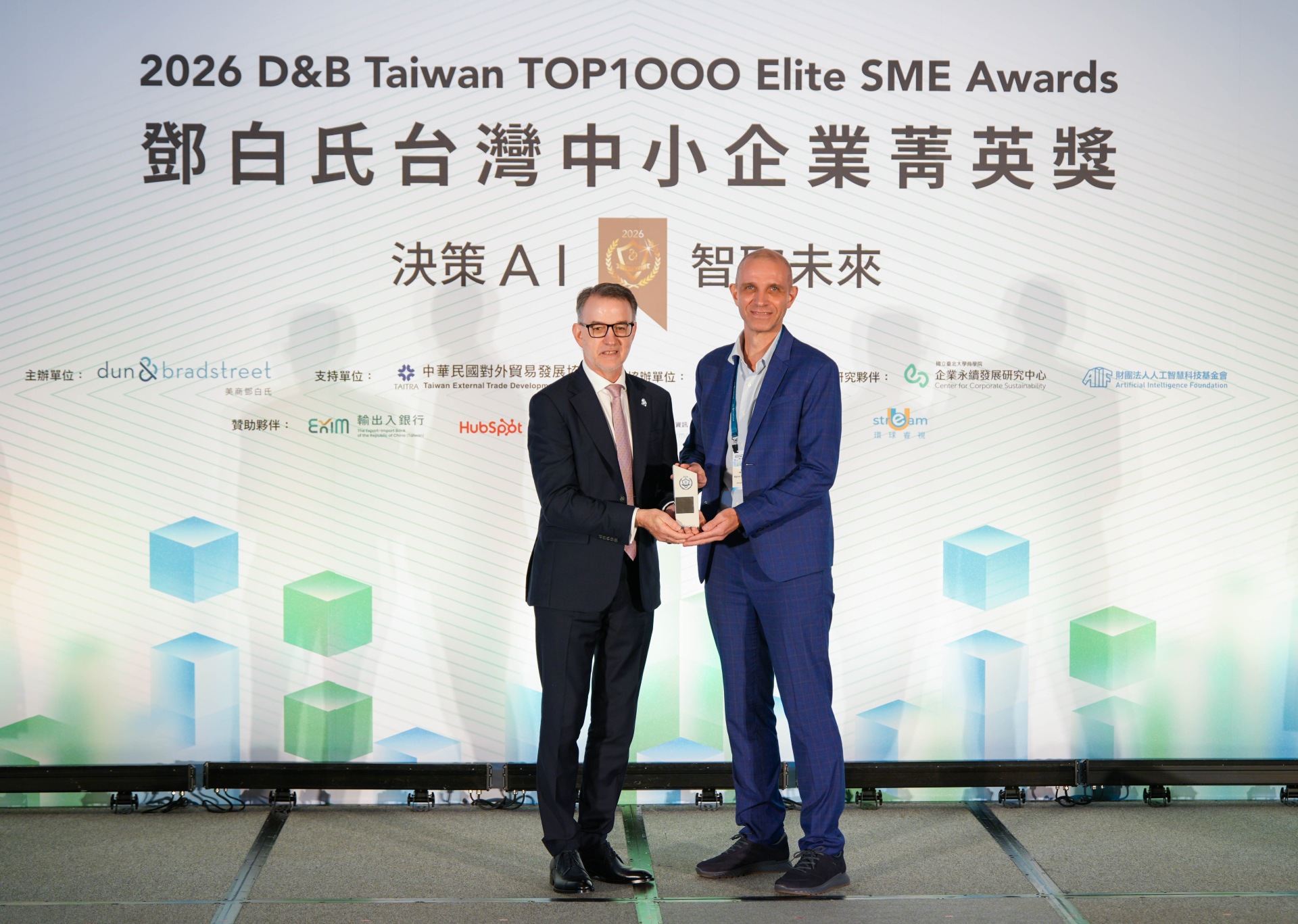
Pilotfish Inc. Earns 2026 D&B SME Elite Award
Pilotfish has been selected as one of Taiwan’s Top 1,000 SMEs in the 2026 Dun & Bradstreet SME Elite Award (鄧白氏中小企業菁英獎), recognising Pilotfish Inc. among a select group of companies demonstrating sustained business performance, international competitiveness, financial soundness and long-term development potential.


From Prototype to Production: Why an Integrated Product Development Partner Makes the Difference
Discover why successful hardware products require more than great technology. Learn how an integrated product development approach reduces risk, accelerates time-to-market, and transforms prototypes into scalable, production-ready products.
Why wait months to launch?
From concept to production, we help teams bring products to market faster - without compromising quality or compliance.
What innovators often ask us?
This is some text inside of a div block.
No, but it significantly reduces risk and improves the likelihood of successful market approval.
This is some text inside of a div block.
It introduces structured processes, risk management, and usability validation.
This is some text inside of a div block.
It ensures that products are safe, compliant, and developed in a controlled way.
This is some text inside of a div block.
It is a quality management standard specifically for medical device development and manufacturing.